


Five movie scenes that shocked the ratings board into action

When the BBFC was established in 1912, it became responsible for classifying movies in the United Kingdom, ensuring that nothing too disturbing or with the potential to incite terror or crime was distributed in cinemas or, later, on home video.
If a movie featured scenes that were incredibly graphic or caused genuine concern for those involved (or those watching), the BBFC had every right to cut scenes or straight-up unclassify and ban movies. Since then, many countries have followed suit in setting up their own censorship boards, and across the world, many films are banned in certain locations as a result, even ones that, at least in the United Kingdom or the United States, are widely accessible.
It really depends on a country’s standards and beliefs, and even those have changed drastically in the United Kingdom since 1912. Many films were banned for ridiculous reasons or heavily cut, only to be passed uncut decades later. Look at the moral panic of the video nasty era: the BBFC had to work hard at censoring movies which are now beloved classics, like The Texas Chain Saw Massacre and The Evil Dead.
Sometimes, though, it’s a specific scene that truly shocks the censors into action, whether that be something from an explicit and transgressive movie, or something a little more surprising, such as a supposedly family-friendly movie.
Five movie scenes that jumped the ratings board into action:
‘Salò or the 120 Days of Sodom’ (Pier Paolo Pasolini, 1975)

A notoriously shocking film, Salò or the 120 Days of Sodom is said to be the reason why its director, Pier Paolo Pasolini, was murdered. Following a group of teenagers who are kidnapped by libertines and forced to engage in heinous acts like shit-eating, rape, and lots of violence, it’s enough to put you off your dinner, to say the least. Acting as a powerful metaphor for capitalism and authoritarianism, Pasolini used the film as a sharp critique of fascism in Italy, but many people were displeased with the Marxist filmmaker’s graphic use of imagery as a form of condemnation.
Naturally, the movie was going to have censors on alert, and it remains banned in various countries across the world, but it wasn’t just one scene in particular that saw the BBFC unable to classify the movie upon its release. However, the final sequence, in which eyes and tongues are ripped out, and people are scalped, hanged and raped, was probably the ultimate nail in the coffin, and it only passed uncut in the UK in 2000 with an 18 rating and has since been hailed as a masterpiece.
‘The Hunger Games’ (Gary Ross, 2012)
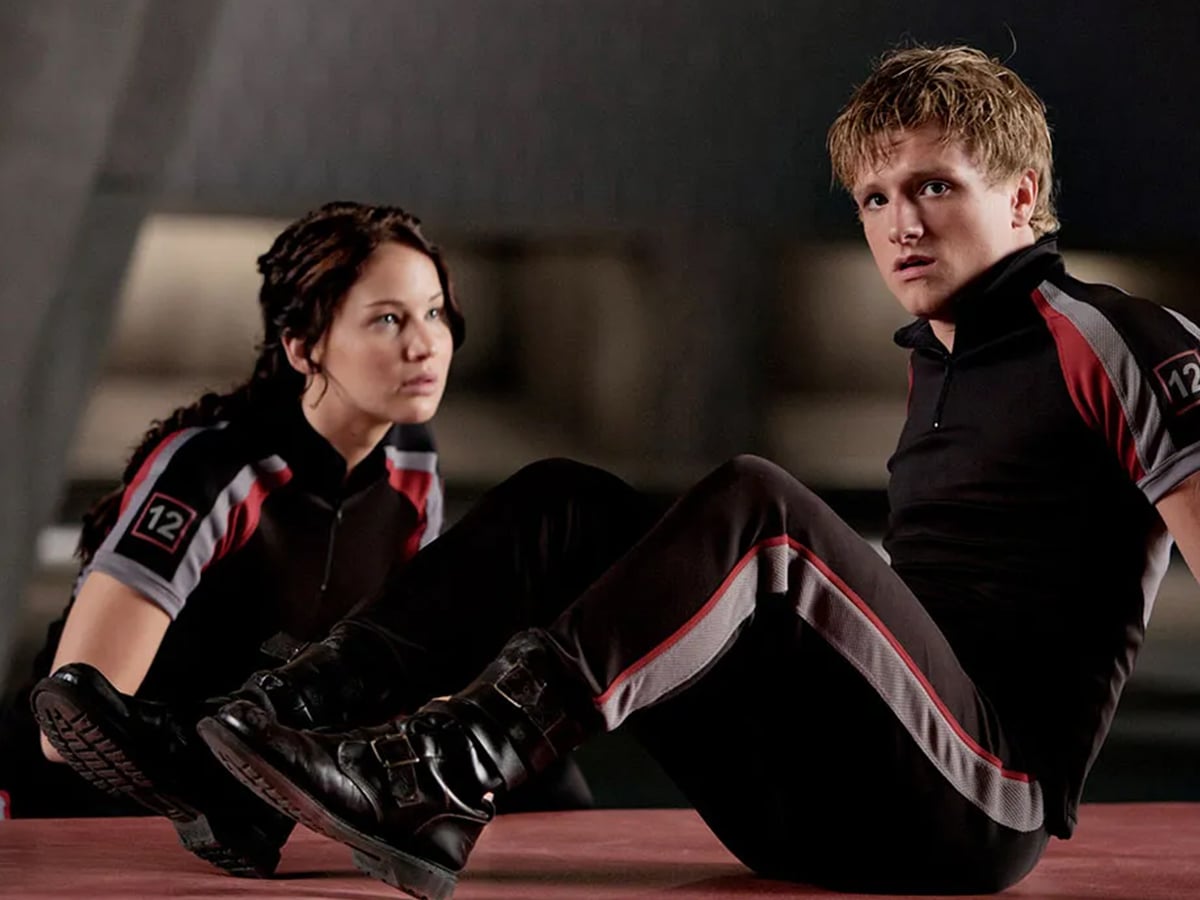
The teen dystopian novel The Hunger Games was adapted for the big screen in 2012, and Jennifer Lawrence’s role as Katniss Everdeen shot her to international stardom. While it’s admittedly quite violent for a teen movie, with the whole premise hinging on children fighting to the death, you wouldn’t think that anything would have to be cut from the movie.
Yet, when The Hunger Games was released, seven seconds of violent footage, including graphic bloodshed, was cut from the movie so that it could be made a 12A, with censors worried that the movie was too violent for young audiences, especially a scene that took place at the Cornucopia featuring blood-soaked weapons. There is a 15 version of the film available, but it was the 12A that made it to cinemas, even if fans did complain, according to the BBFC, that this would “sanitise its impact”.
‘A Serbian Film’ (Srđan Spasojević, 2010)

Widely considered one of the most shocking and disgusting movies ever made, Srđan Spasojević’s A Serbian Film follows a man who unknowingly gets himself involved in a snuff film featuring some of the most heinous acts you can imagine. It’s incredibly violent, and with themes of neonaticide, paedophilia, necrophilia, why anyone would willingly want to watch A Serbian Film is questionable, and sure, you might say that about Salò, but at least that doesn’t feature a sexual abuse scene involving a baby, which really is indefensible.
Naturally, censors were quick to act when the film was up for classification, and they had plenty of cuts made so that the film could be released, and it still contains all kinds of horrors. The BBFC removed four minutes and 11 seconds of footage, including these scenes of child sexual abuse, as well as “images of sexual and sexualised violence which have a tendency to eroticise or endorse the behaviour”.
‘Battleship Potemkin’ (Sergei Eisenstein, 1925)
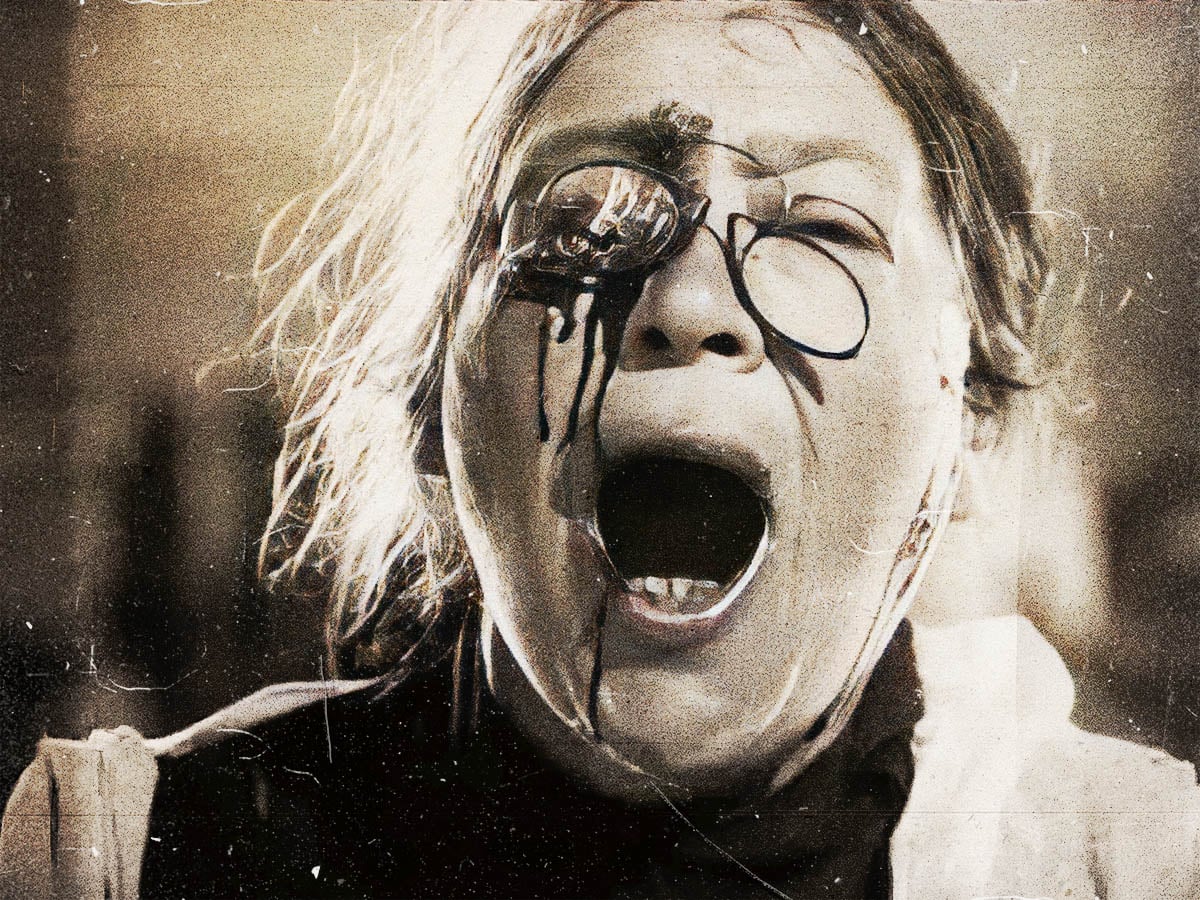
In 1925, revolutionary filmmaker Sergei Eisenstein made Battleship Potemkin, an experimental depiction of a mutiny featuring a pioneering use of montage and cuts that broke new ground for cinema, with the ‘Odessa Steps’ sequence one of the most commonly studied in cinema course classes across the globe. It’s not exactly the kind of film you can imagine getting heavily censored or causing the big dogs at the BBFC to get their knickers in a twist over, but it was actually banned in the UK until 1954.
Over in Germany, the Soviet film caused controversy due to several particularly violent scenes, with censors completely editing some of them out. Clearly, the political and violent nature of the movie wasn’t acceptable to many audiences, and in the UK, there were worries that the film was a form of Bolshevist propaganda. Meanwhile, there was a time when Soviet prints had the written introduction by Leon Trotsky removed from the beginning of the movie following his ‘falling out’ (to say the least) with Joseph Stalin.
‘Mary Poppins’ (Robert Stevenson, 1964)
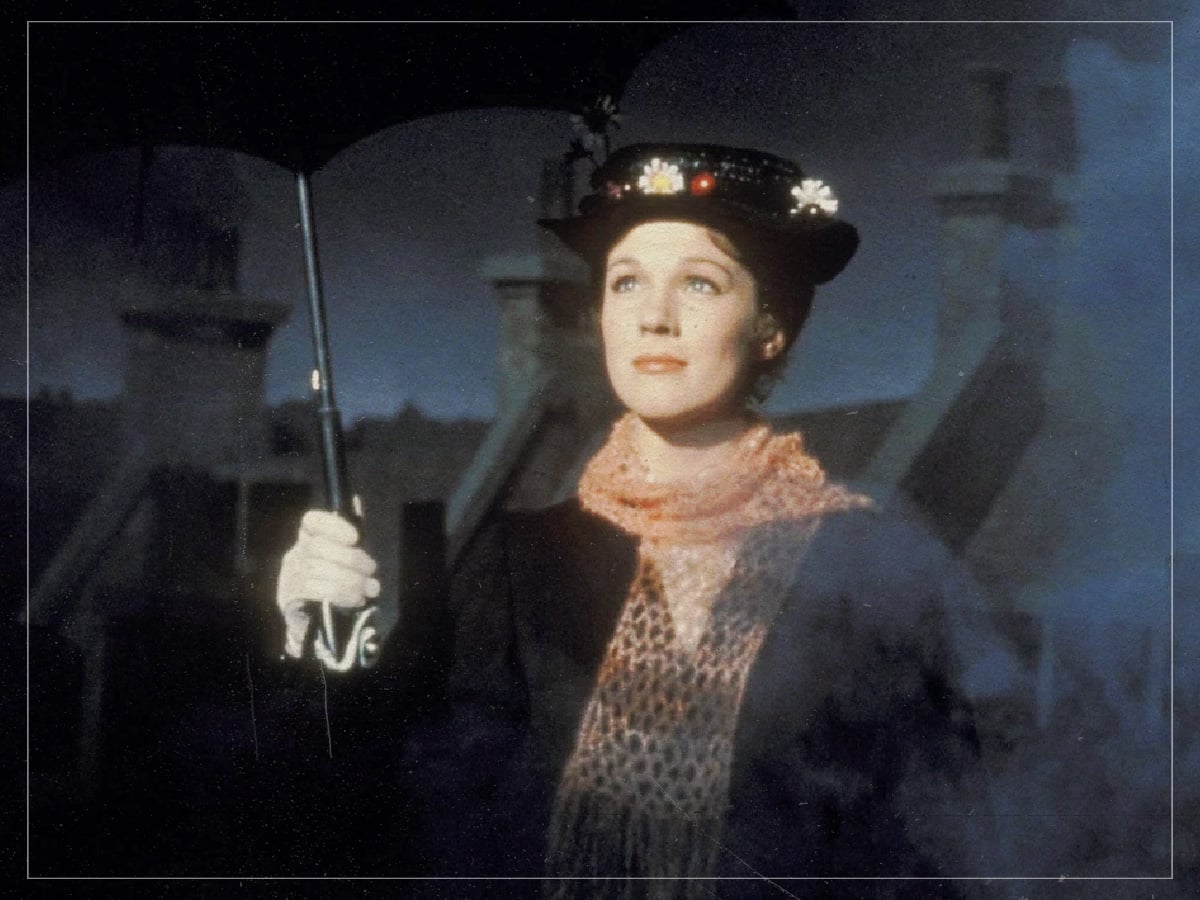
You might be wondering why a movie like Mary Poppins whipped censors into action, allowing it to sit alongside A Serbian Film and Salò or 120 Days of Sodom on this list. It might not contain the violence and graphic content that had people covering their eyes when watching the latter films, but it did contain a scene that concerned the BBFC enough to change its age rating from a U to a PG.
The classic Disney musical has long delighted audiences, with its charming performance from Julie Andrews and Dick Van Dyke’s poor yet lovable attempt at an English accent, but there’s one sequence that isn’t so wholesome. First classified in 1964, the BBFC re-classified the film in 2013 to take the two uses of a racially discriminatory term, ‘hottentots’ into consideration. “While Mary Poppins has a historical context, the use of discriminatory language is not condemned, and ultimately exceeds our guidelines for acceptable language at U,” the BBFC said.
