


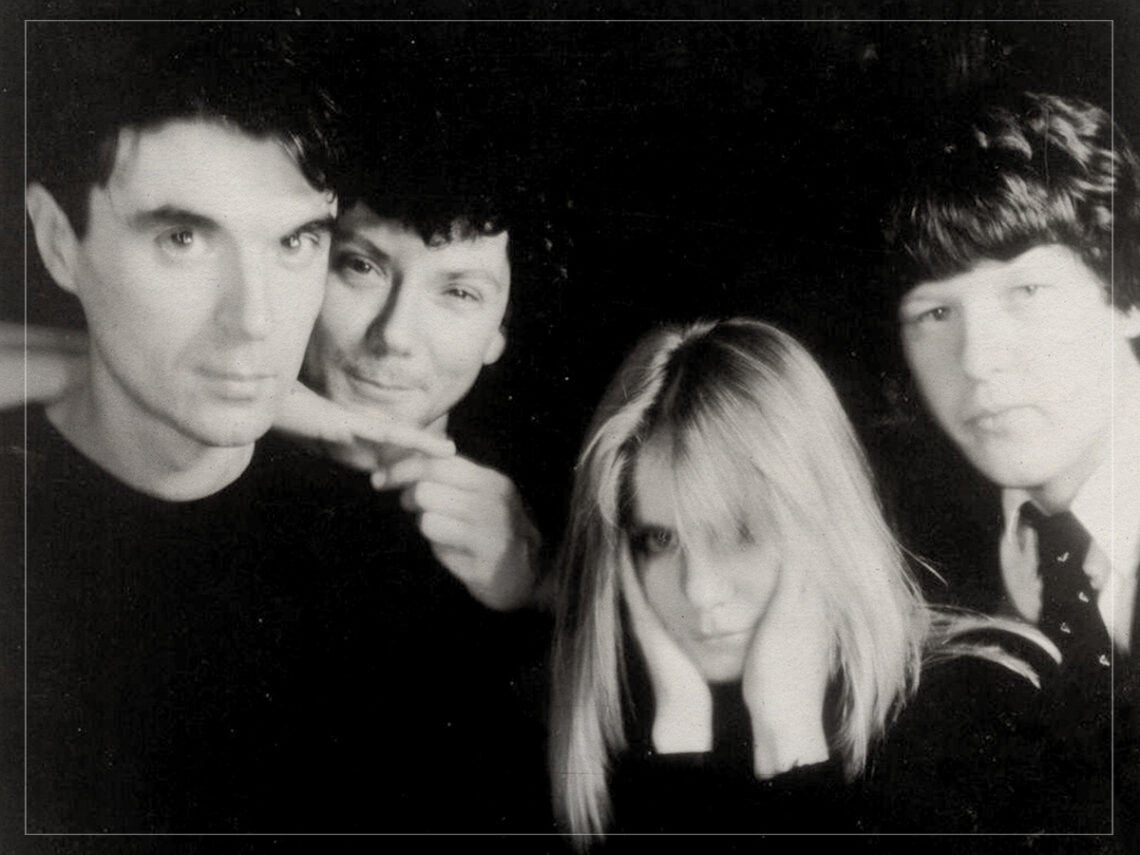
Five of the most underrated songs by Talking Heads

One of the best things about David Byrne is that most of Talking Heads‘ best songs seem to have poured out of him as easily as breathing. Like ‘Psycho Killer’, which he wrote once, “just to see if I could write a song”. But while it’s entertaining to poke fun at the disjointed nature of such an unlikely band, there are actually a lot of valuable lessons there in the beauty of making art from the heart, like how trusting instincts can pave the way for some of the greatest wordplay of all time.
In all fairness, Byrne is about as accidental a genius as it gets; his gloriously improvisational ways are coaxed out only by circumstance, from both his band members and producers like Brian Eno, saying that the best way to access his artistic vision was to let his stream of consciousness run freely. Like in ‘Once in a Lifetime’, with words that seem to jump out from the jitteriness of a paranoid mind while still feeling inherently cerebral.
Some of the best examples of this also occur in Fear of Music, the record in which Eno had pushed that instinctual approach, with words becoming titles and reflecting the band’s broader knack for cultural disillusionment: like ‘Cities’, ‘Animals’, ‘Electric Guitar’, and ‘Drugs’. From here, it was all about being as abstract as possible in a way that reflected the absurdity of society, like navigating it was merely an annoyance that you could only exist in if you became just as unhinged.
But all of these big songs often overshadow the beauty of the deep cuts, the ones where these powers come to the surface easily, or others where it’s all about figuring it out, laying the groundwork for a different kind of excellence that didn’t think too much about what it was trying to be. Let’s have a look at five underrated gems that factor into the band’s unrivalled legacy.
Five underrated Talking Heads songs:
‘Pulled Up’

If you were to ask most Talking Heads loyalists what the most underrated song of all time is, they’d probably have ‘Pulled Up’ somewhere in their top five. And without even delving into what it all means, it’s easy to see why. On the debut, Talking Heads ’77, ‘Pulled Up’ stands out loud and proud, like Talking Heads who knew exactly what they were doing, even back then.
On top of this, it also shows a version of Byrne that sort of leans into his own motivations, even in a business so confusing and competitive that it can only provide negativity. But that’s where the charm is, in Byrne’s ability to have some kind of ego in the face of it all, singing: “I drift away to another land /Sleeping, dreaming, such a simple thing /I think of things that I might be /I see my namе go down in history.”
‘Uh-Oh, Love Comes to Town’

Another from the masterpiece that is Talking Heads ’77, ‘Uh-Oh, Love Comes to Town’ delivers the band’s instantly familiar resignation, with a driving rhythm and nonchalant vocal delivery that’s immediately endearing. Leaning into the band’s knack for blending funk with undeniable elements of soul and Motown, it’s one that can only pull you in, the upbeat arrangements distracting from the lyrics about holding love at arm’s length.
But again, this is a version of Talking Heads that already seemed completely refined, their vision well-established because it wasn’t thinking too hard about what it was trying to achieve. It’s simple, yet pulling from various different threads of world music, inviting joy and escape through Byrne’s lyrical cadences, as though they’re providing as much rhythm with the bounce of words, like, “Stock broker makes a bad investment when love has come to town”.
‘Don’t Worry About The Government’
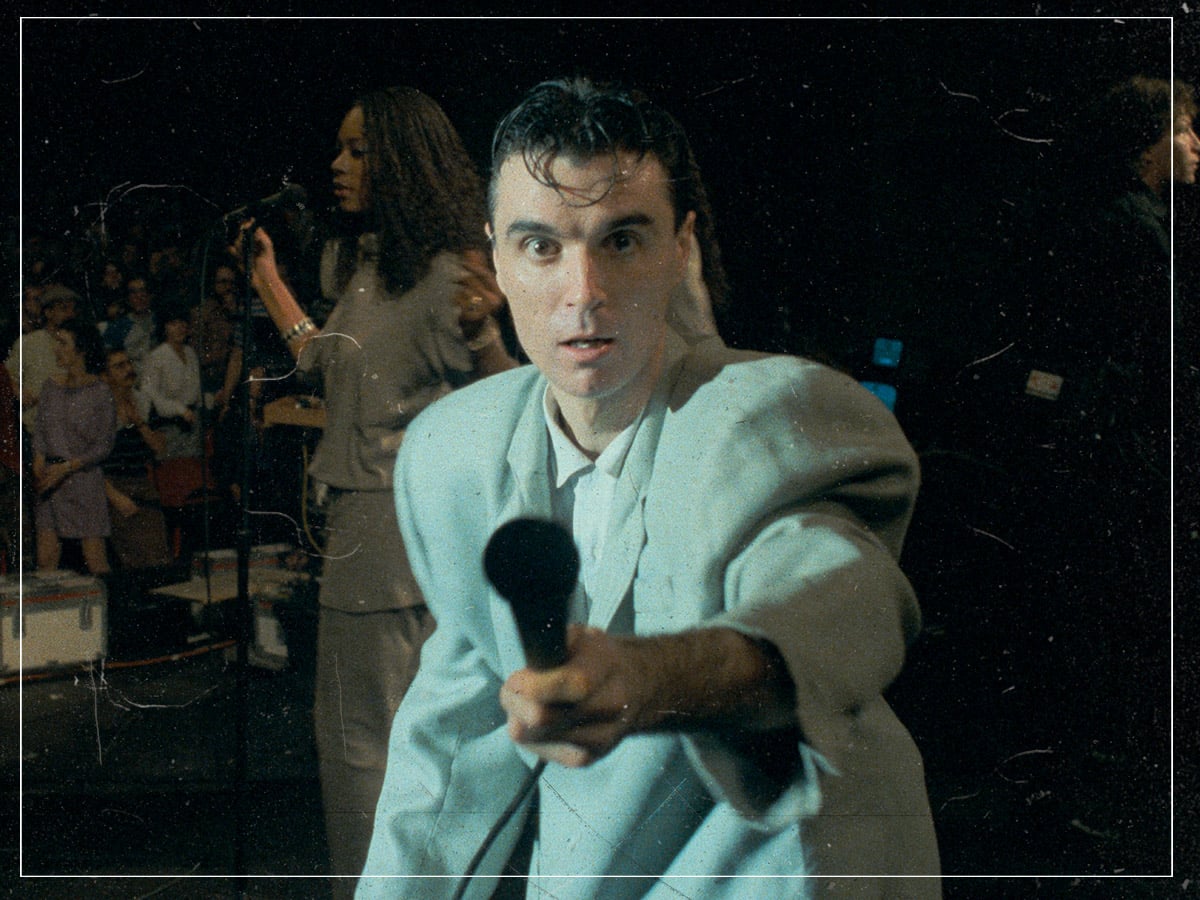
Two of the most exciting elements of Talking Heads are on display in this song. The first is the pop-like nature of it. While the band aren’t renowned as a pop band, the fact that they had songs like this in their arsenal is a great reflection of how they could be incredibly versatile but simultaneously cohesive.
The second endearing aspect of this song is the ambiguity of the lyrics. The jury is out on what Byrne is trying to say throughout this track, as there is an inability to tell whether or not the song is satirical or not. The tone suggests that it should be taken with a pinch of salt, but the fact that we can’t say for certain is a great indication of Byrne’s genius as a lyricist.
‘Cities’

How do you ever call a city home when your life is spent on the road? When writing their song ‘Cities’, the Talking Heads were touring extensively, and this track, which sees the narrator talking about finding a city to live in and call home, is possibly a documentation of that touring lifestyle. The song is full of inaccuracies; for instance, David Byrne calls London small. “I think I meant that it was made up of lots of villages,” he once explained, “And people sometimes never ventured out of their little village.”
Despite Byrne’s explanation, the comment about London isn’t the only inaccuracy in the song. It could well be that he was writing a touring song, and purposefully making mistakes in a bid to represent the blur that is life on the road. All in all, the song is a fun one to read into and is incredibly upbeat and exciting throughout. A classic Talking Heads tune that not enough people talk about.
‘Psycho Killer – Acoustic’

Anyone who is remotely familiar with Talking Heads will be well aware of the magnitude of their hit single ‘Psycho Killer’, but not as many people will know about the acoustic version of the song. Granted, it plays fast and loose with the term “acoustic,” but it’s one of the band’s most underrated songs and needs to be experienced by anyone who’s a fan of original.
The first notable difference comes with David Byrne’s voice. It is turned up slightly more and has less reverb attached to it; the result is a more intimate listen, one where it sounds as though Byrne is singing directly to you. The acoustic elements of the song, paired with a chaotic string quartet and less complex drum pattern, make for a more stripped-back approach to the classic, but one which is still loaded with personality and atmosphere.
