


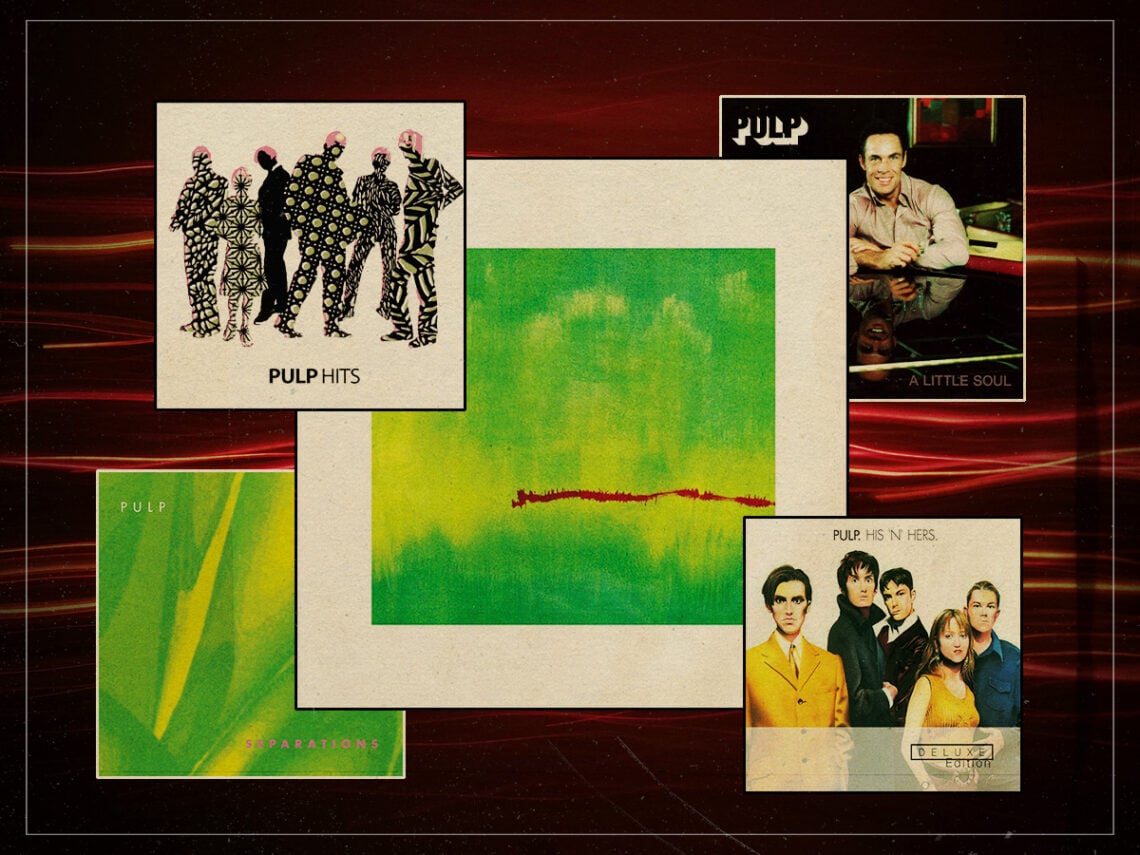
Five of the most underrated Pulp songs

“When one of the first live reviews of Pulp said that we sounded like ‘a cross between Abba & The Fall’, I was beyond proud.” – Jarvis Cocker
A cultural revolution was brewing during the mid-1990s in England, orchestrated by young musicians with messy haircuts, guitars, and ill-fitting T-shirts. It was an age that would eventually be dubbed Britpop, much to the ire of everybody involved in the scene, and it witnessed the emergence of some of the nation’s most beloved bands.
Among them were Pulp, but the Jarvis Cocker-fronted outfit never truly fit in with the rest of London’s ‘cool Britannia’ scene – they were far too cool for that.
By the time Pulp witnessed their commercial breakthrough in 1994, Cocker’s band had been going for 16 years. It was in 1978 that the Sheffield schoolboy concocted the idea for the band, and he spent the intervening years making a name for Pulp in the blossoming indie scene of the Steel City, recording multiple albums, honing his skills as a frontman, and fostering an ever-expanding sonic repertoire.
Yet, the band were largely ignored by the music world outside of South Yorkshire, aside from a brief John Peel session and a few fledgling deals with various independent labels.
Their rapid rise to prominence during the mid-1990s brought with it some utterly incredible records, with the likes of ‘Common People’ and ‘Disco 2000’ still heralded as some of the greatest tracks of that era – and rightly so. However, the band’s discography is much larger and more wide-reaching than their Britpop heyday might let on. Over the years, Cocker and the gang have explored everything from acoustic ballads to acid house-infused dance tracks and sultry romantic numbers.
Now that Pulp have reunited and returned with a masterful modern album, More, we thought we’d delve back into that incredible discography to select a few tracks that have gone woefully underrated over the years. So, dig out your finest pair of corduroy trousers and join us as we dive into some deep cuts, forgotten masterpieces, and unreleased gems.
The five most underrated Pulp songs:
‘My Lighthouse’ (1983)
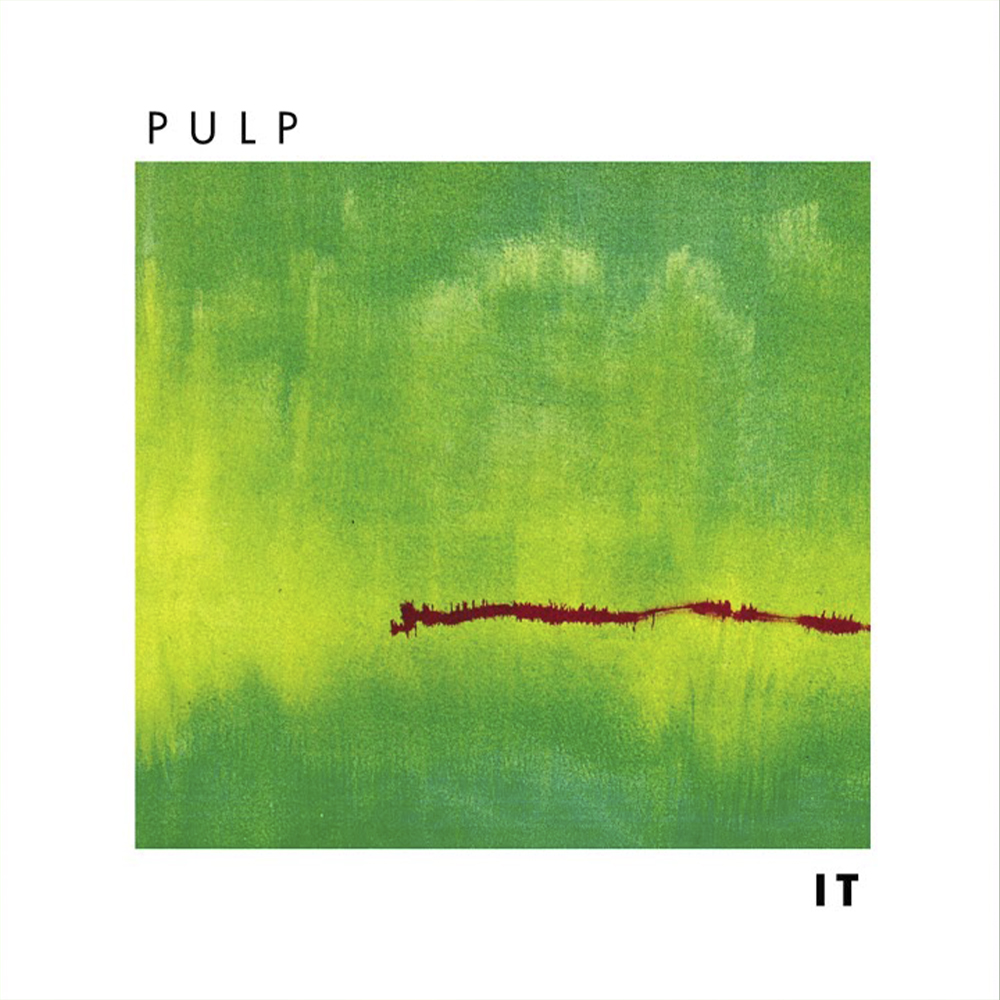
By the time that Pulp broke into the top 40 with ‘Do You Remember The First Time’ in 1994, the band had existed in one form or another for well over a decade. However, in the wake of their mid-1990s triumphs, a lot of their earlier material became forgotten, underrated, and overshadowed. ‘My Lighthouse’ was the first single ever officially released by the Sheffield outfit, all the way back in 1983.
An acoustically driven ballad driven by seaside romance, the song sounds totally unlike the Pulp that we all know now, but there is a beautiful sense of youth and vulnerability encased in the song, which makes it an incredibly endearing listen.
As opposed to the distinctive talking-singing vocal style that Cocker would later adopt on records like Different Class, ‘My Lighthouse’ sees the vocalist taking on a kind of proto-Morrissey style of crooning, not all that dissimilar from the idea heroism of Orange Juice’s Edwyn Collins. Released via York’s Red Rhino label, the song never charted and, were it not for the later successes of Cocker’s band, ‘My Lighthouse’ might have been forgotten altogether.
‘Cocaine Socialism’ (1998)
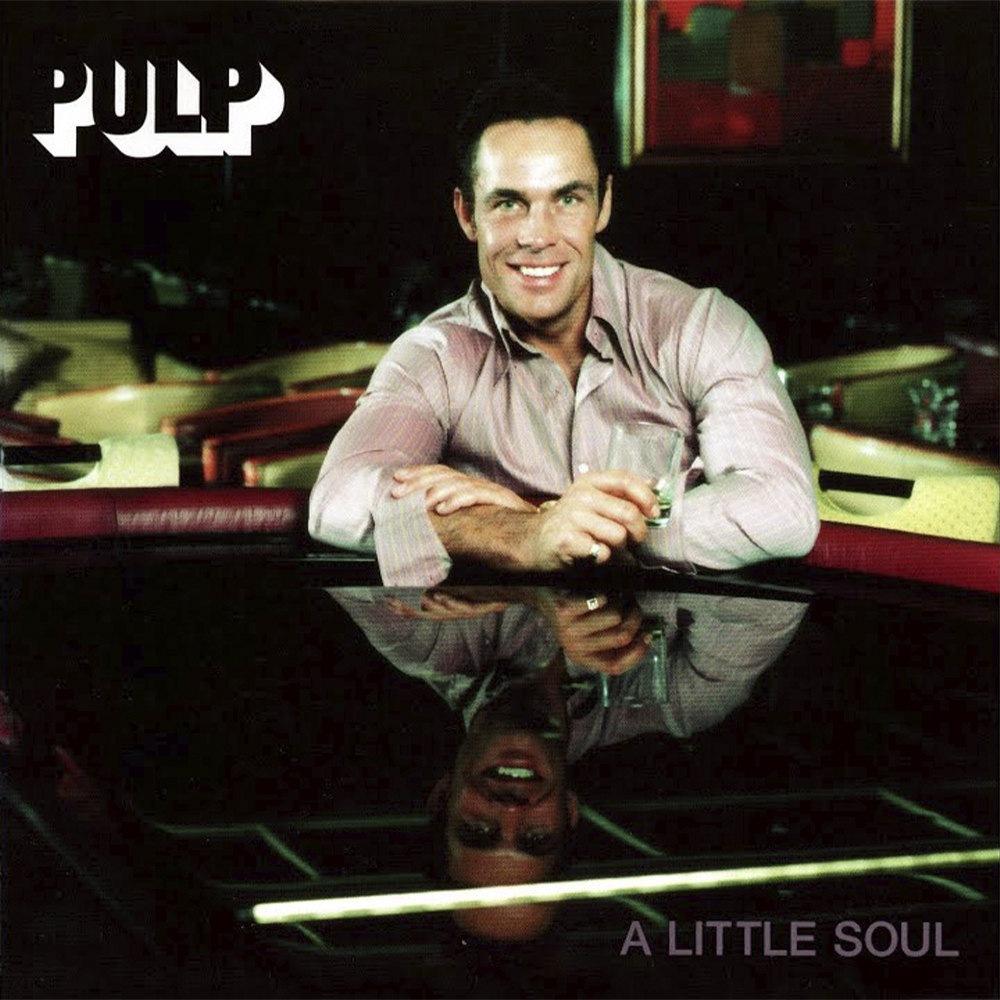
By the late 1990s, Pulp were at the top of their game, yet their magnum opus album This Is Hardcore rarely gets treated with the same widespread reverence as some of their previous efforts. As such, the album is chock-full of overlooked masterpieces, and ‘Cocaine Socialism’ certainly falls into that category.
At a time during which Tony Blair and New Labour were attempting to court the vote of Britpop’s leading figures, Jarvis Cocker saw right through the phoniness and hypocrisy rife throughout the scene.
“Before Tony Blair got elected, they kept ringing me up and asking me if I could count on their support, which I didn’t like,” Cocker later said, explaining the inspiration behind ‘Cocaine Socialism’. Not only did the song capture the zeitgeist of that period in musical history, but it remains a gem in the track listing of This Is Hardcore.
Nevertheless, the song has never been performed live by the band and was ultimately relegated to being the B-side for ‘A Little Soul’, despite its rousing atmosphere and horn-blaring hooks demanding far more attention than that.
‘Death II’ (1992)
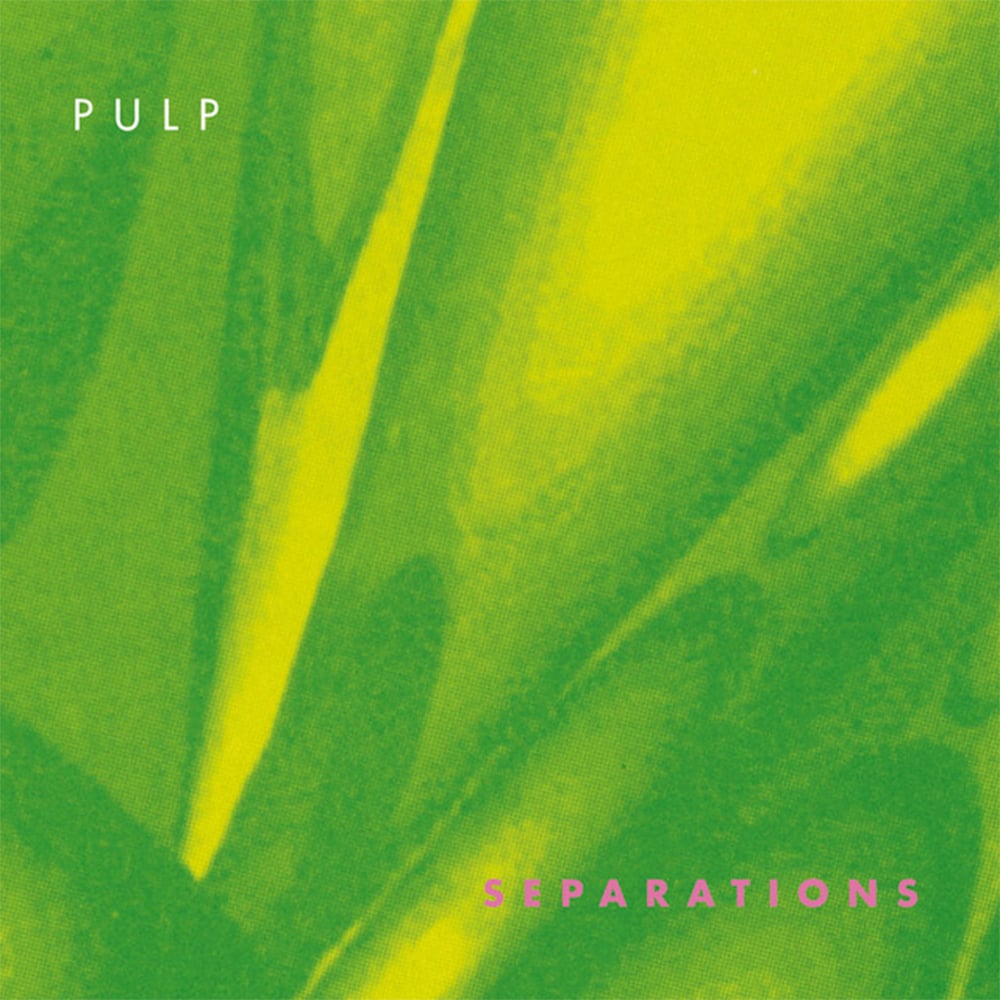
One of the band’s most sonically ambitious records, 1992’s Separations seemed to arrive just a little bit too early to take advantage of the changing tides of Britain’s musical tastes.
As a result, the album is often ignored in favour of its much more successful sibling, His ‘n’ Hers, but the band’s final album before achieving mainstream success remains one of their most innovative. Side one was composed largely of ballads, while side two leaned into the newfound influences of acid house and dance music.
‘Death II’ exists somewhere in between those two sounds, giving the first hints at the kind of sound Pulp would go on to master on subsequent album releases. Its infectious electronic beat and Cocker’s masterful vocal delivery put the song up there with some of Pulp’s most beloved efforts, yet it rarely – if ever – gets the same credit.
The band haven’t performed the song live since back in 1992, and, with the tragic passing of Steve Mackey in 2023 – whose influence on this song is utterly irreplaceable – it seems unlikely the song will ever be performed live again.
‘Last Day of the Miners’ Strike’ (2002)
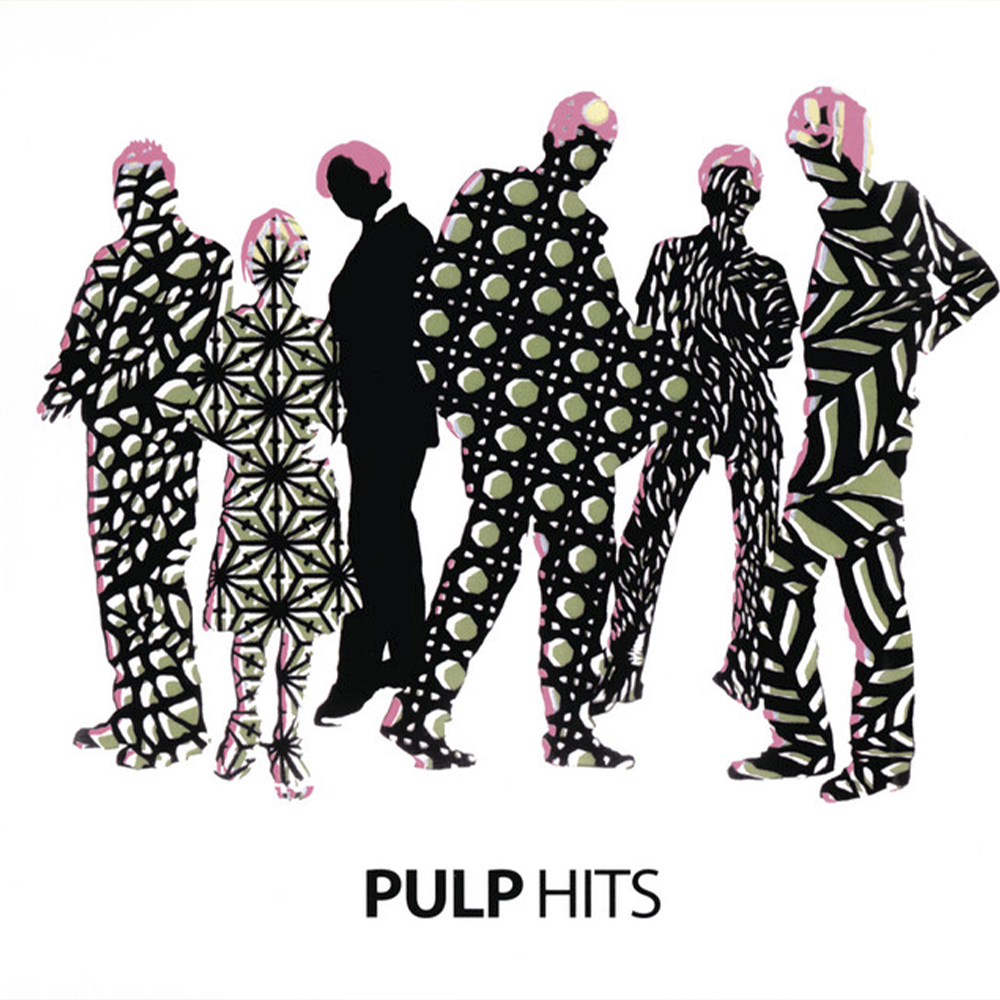
Although they soon became known everywhere from London to Los Angeles, Pulp have always maintained strong ties to their roots in Sheffield, and their dedication to the north has never been more abundantly clear than on ‘Last Day of the Miners’ Strike’.
Released in 2002 as the only new track on the compilation album Hits, the song deals with the 1984 to ’85 miners’ strike, which devastated vast areas of the north of England, as well as Scotland and Wales, including areas very near where Cocker himself grew up.
Drawing upon the police brutality and horror of infamous events within the strike, like the Battle of Orgreave, the song also deals with the lasting effects of the strike and Margaret Thatcher’s brutal treatment of striking workers.
“The last day of the miners’ strike was the Magna Carta in this part of town” is among Cocker’s all-time greatest lyrics, and it still rings true when visiting some parts of South Yorkshire to this day. Rather than being a bleak social realist effort, however, the band offer a sense of hope and resistance within the track, with the idea that “the north is rising” once again.
As with many of Pulp’s mid-2000s releases, the song has always been something of a deep-cut, but it seems as though it is finally being revisited by the band, as it made its first-ever live appearance at their Tramlines performance in Sheffield this year.
‘Live On’ (unreleased)
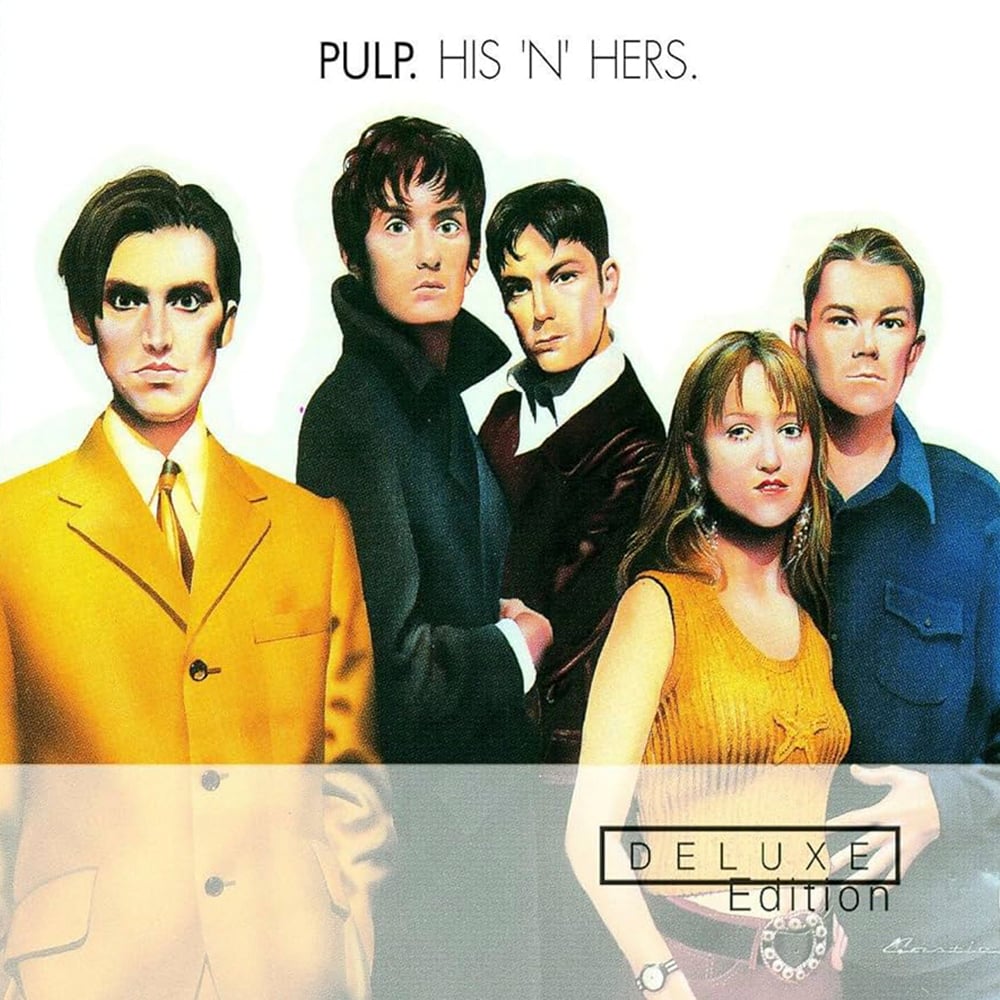
First created during the Separations era of the band, ‘Live On’ continues the band’s blending of acid house influences with Cocker’s unique romanticism and rousing vocal delivery.
A tale of a broken heart desperately trying to continue with ordinary life, the song is an incredibly strong, affecting, and relatable effort from a time in which Pulp were finally beginning to land upon their own distinctive sound. Tragically, though, the studio version of the song has not yet seen the light of day.
Despite being one of the band’s most popular live songs of the Separations period, the track didn’t make it to the final cut of the album. “We never seemed to be able to get it right in the studio,” Cocker later commented. As a result, no studio version of the song has ever been formally released by the band, although it is thought that a recording from the His ‘n’ Hers sessions does exist, somewhere, and there are those of us who are still keeping our fingers crossed it will be released eventually.
Still, a live version was included on the Party Clowns live album in 2012, and a version recorded during a BBC Session was released on the ‘Deluxe Edition’ of His ‘n’ Hers in 2006, and both these versions are adept in capturing the brilliance and unshakable energy of the song.
