


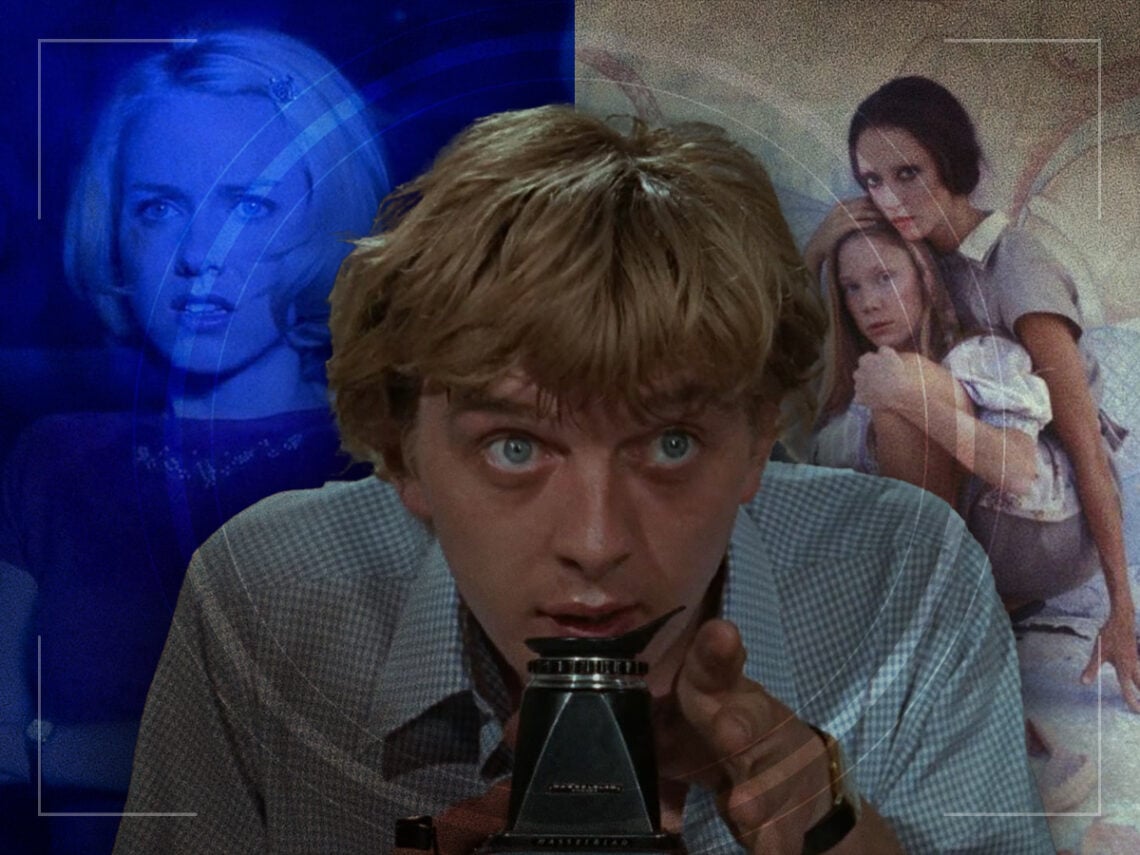
The five most confusing scenes in cinema history

Too many people jump to call a film terrible because they don’t understand it, but sometimes you have to sit with the confusion and untangle it for yourself.
While it’s rewarding when you realise you understand a movie, when the urge to Google ‘[movie name] explained’ becomes overpowering, do you think it’s your lack of intelligence knocking at the foggy mind, or are you simply a victim of an overly convoluted film?
David Lynch was particularly notorious for creating movies that left many people feeling puzzled, from Eraserhead to Inland Empire and everything in between. Even after several watches you’re left wondering what you just witnessed, but sometimes it’s how you feel that becomes more important, not the act of making sense.
Whether you pick up the pieces and rewatch till you have the dialogues down pat, nervously trawl the internet for answers or let yourself be swayed by the narrative and cinematic vibes, here are our five film picks with the most confusing scenes of unforgettable impact.
The five most confusing scenes in cinema:
Mimed tennis – ‘Blow-Up’ (Michelangelo Antonioni, 1966)
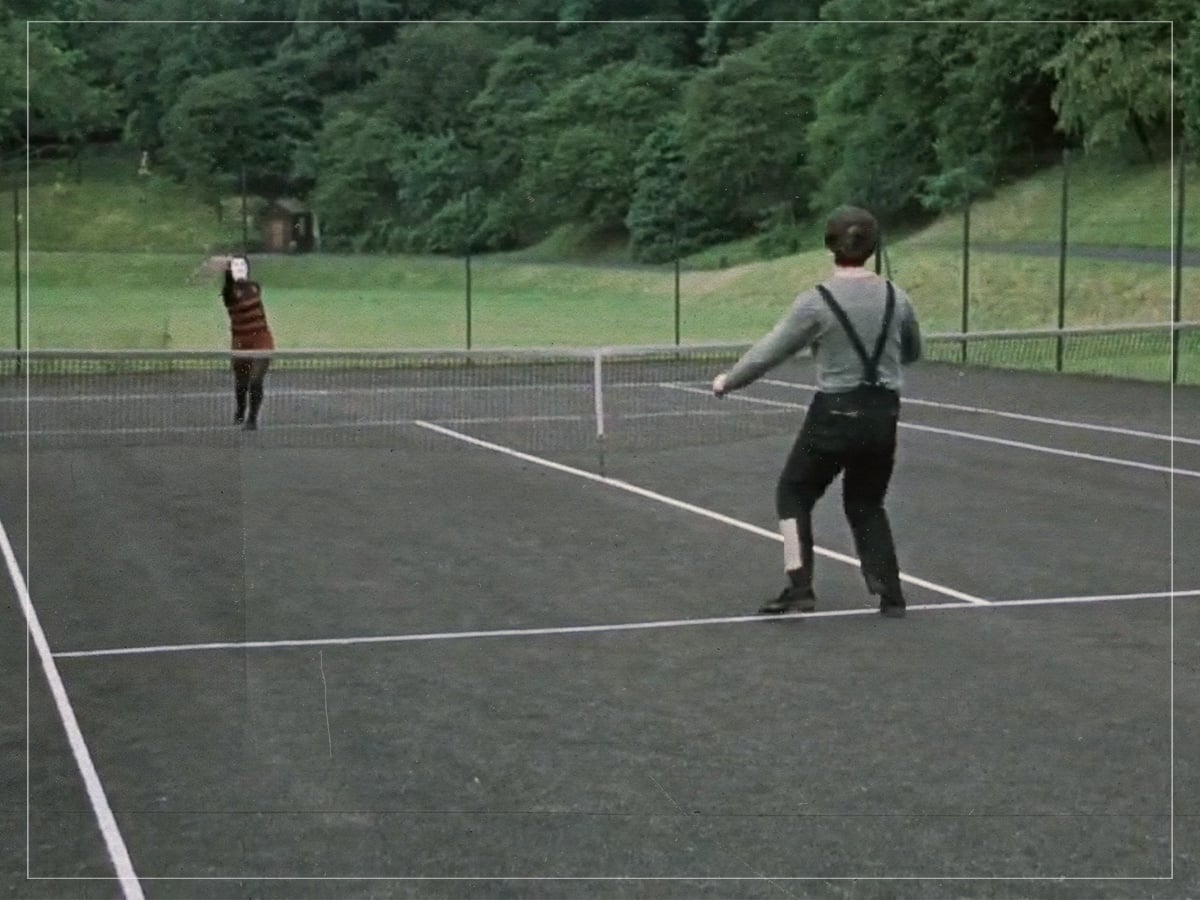
On first viewing, you have to reckon with the fact that the unsolved murder at the heart of the narrative is not actually important at all. Michelangelo Antonioni’s Blow-Up is not a crime drama even if it starts out as one, and that leads people into its maze. It’s a film that I always go back to, finding new meanings each time as this Swinging Sixties-era tale of malaise, excess, ennui, art, and the fine line between reality and falsity takes a rather ambiguous approach to its narrative crux, with the filmmaker leaving us with more questions at the conclusion than when the film started.
One of the most confusing moments to leave audiences asking what the fuck just happened comes at the end of the film. A tennis match carried out by mimes entices the main character, Thomas, who eventually gives in to the fantasy. It’s a great comment on the absurdity of life, where we give meaning to things to keep us going, even if it appears futile. Reality, fantasy, and truth coincide here, making for a terrific yet admittedly confusing end.
Diner scene – ‘Mulholland Drive’ (David Lynch, 2001)
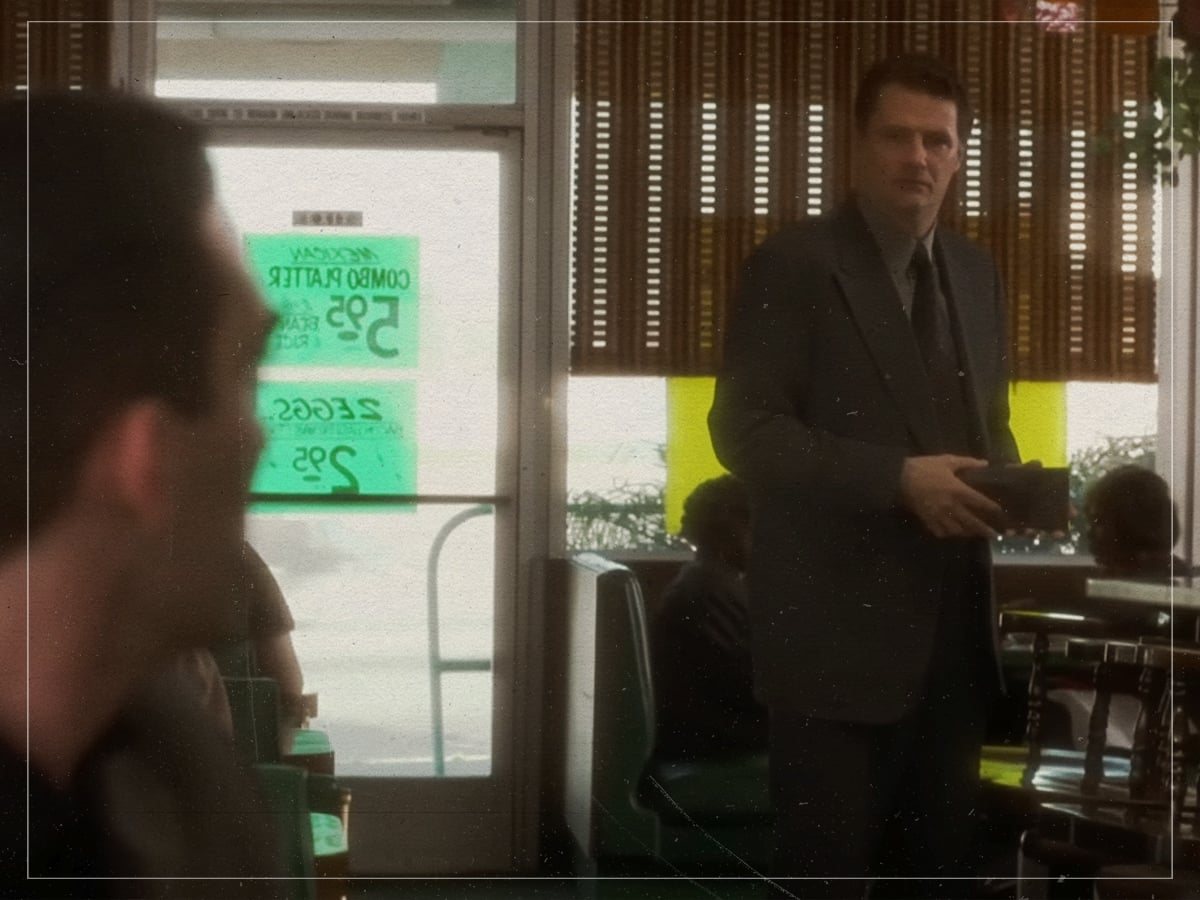
I love showing people Mulholland Drive who haven’t yet watched it, witnessing their confusion unfold as seemingly unrelated and extremely bizarre events play out. The Club Silencio scene, the clumsy hitman, the dopplegangers, the cowboy, Billy Ray Cyrus: what does it all mean? However, the rewatches might be for selfish reasons as the more you keeping going back to this David Lynch masterpiece, it opens up more meaningful avenues, and you can piece together parts of the puzzle to make a somewhat comprehensible picture.
But one of the most confusing moments comes quite early on in the film when two men who seem to have no connection to the story go for breakfast at Winkie’s diner, where one of them recounts his nightmare. Soon, he gets an uneasy feeling and he goes outside to see if his nightmare will come true, leading him to see a terrifying figure behind a wall which causes him to pass out, or die of shock? Many people can’t work out what the scene means, but the easiest explanation is this: a manifestation of guilt.
Ending – ‘3 Women’ (Robert Altman, 1977)
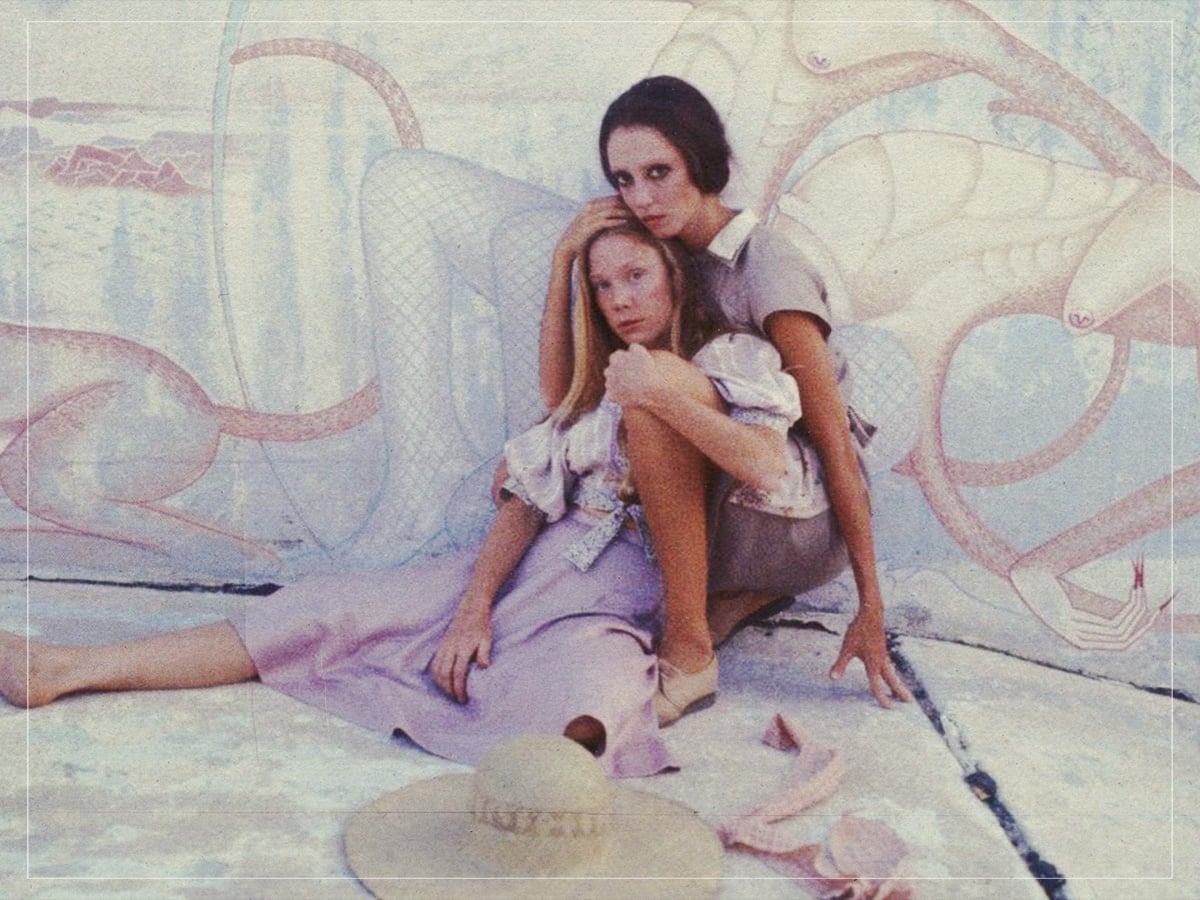
Robert Altman’s dreamlike 3 Women sees powerful performances from Shelley Duvall and Sissy Spacek which carry the film into a foggy dimension defined by mystery and uncertainty. This film exists utterly in a world of its own, drawing from movies like Ingmar Bergman’s Persona, and is a terrific exploration of female identity, with the boundaries between the characters blurring as the film progresses.
Boundary blurring does lend to many confusing scenes in 3 Women, but reaches a peak at the end when Duvall’s Millie and Spacek’s Pinky ‘switch’ identities yet again, with Pinky even going as far as to call Millie her mother. Meanwhile, Millie has assumed the role of Willie, played by Janice Rule, and everything you thought you understood becomes considerably more shaken.
Funeral boat – ‘Don’t Look Now’ (Nicolas Roeg, 1973)
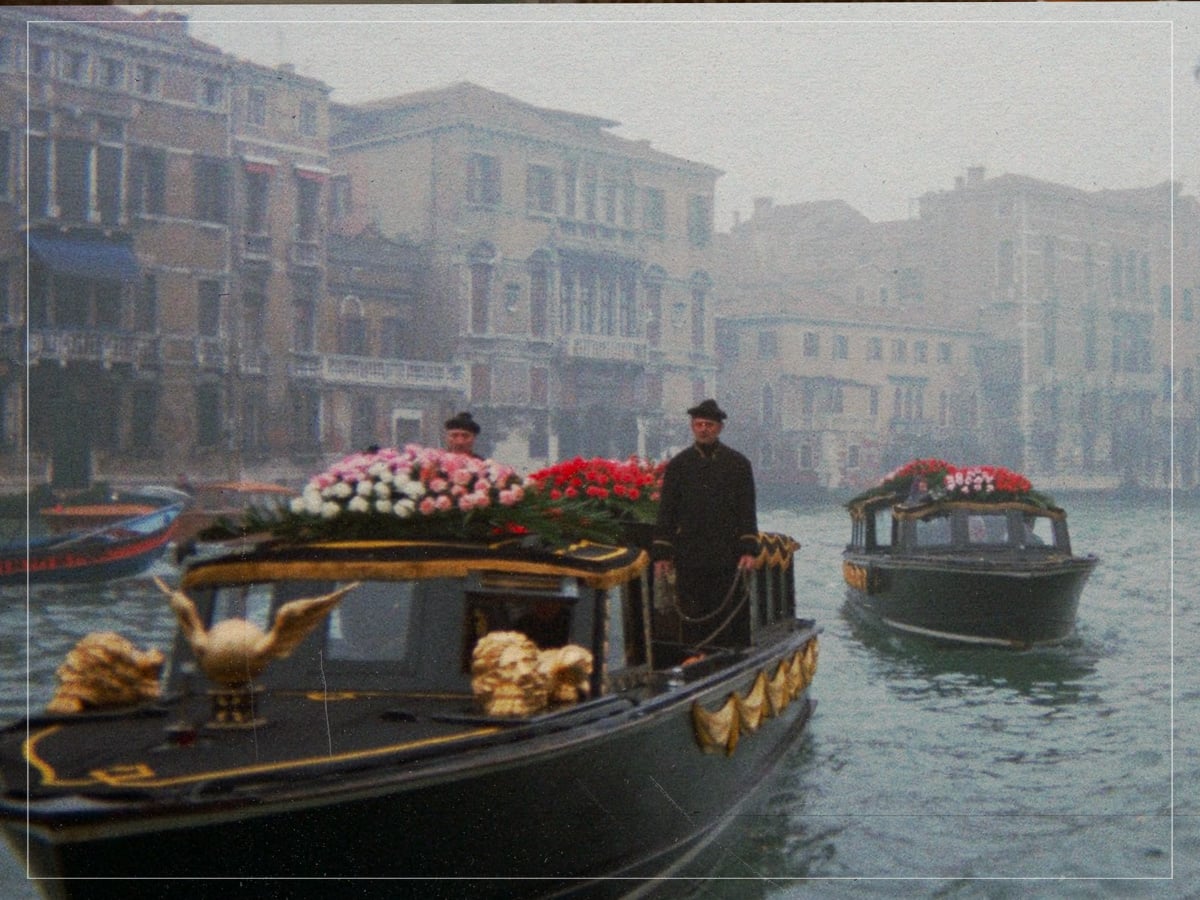
Nicolas Roeg took a hallucinatory lens for his compelling adaptation of Daphne du Maurier’s Don’t Look Now, which stars Donald Sutherland and Julie Christie as grieving parents. The couple travel to Venice, where strange occurrences, including sightings of someone appearing like their dead daughter in a red coat, begin to torment Sutherland’s John. It’s a confusing film, which you have to watch several times to understand, but regardless of how much you can or cannot make sense of, it’s a work of art you’ll never forget.
A particularly head-scratching moment comes when John sees his wife on a funeral boat with the two women they met earlier in the film who claim to be psychic. Assuming that she had travelled back to England, this image is perplexing because, as far as we’re aware, no one has died. When he contacts home and discovers that his wife really is back in England, we’re left with endless questions. What was that scene all about?
The whole film – ‘Last Year at Marienbad’ (Alain Resnais, 1961)
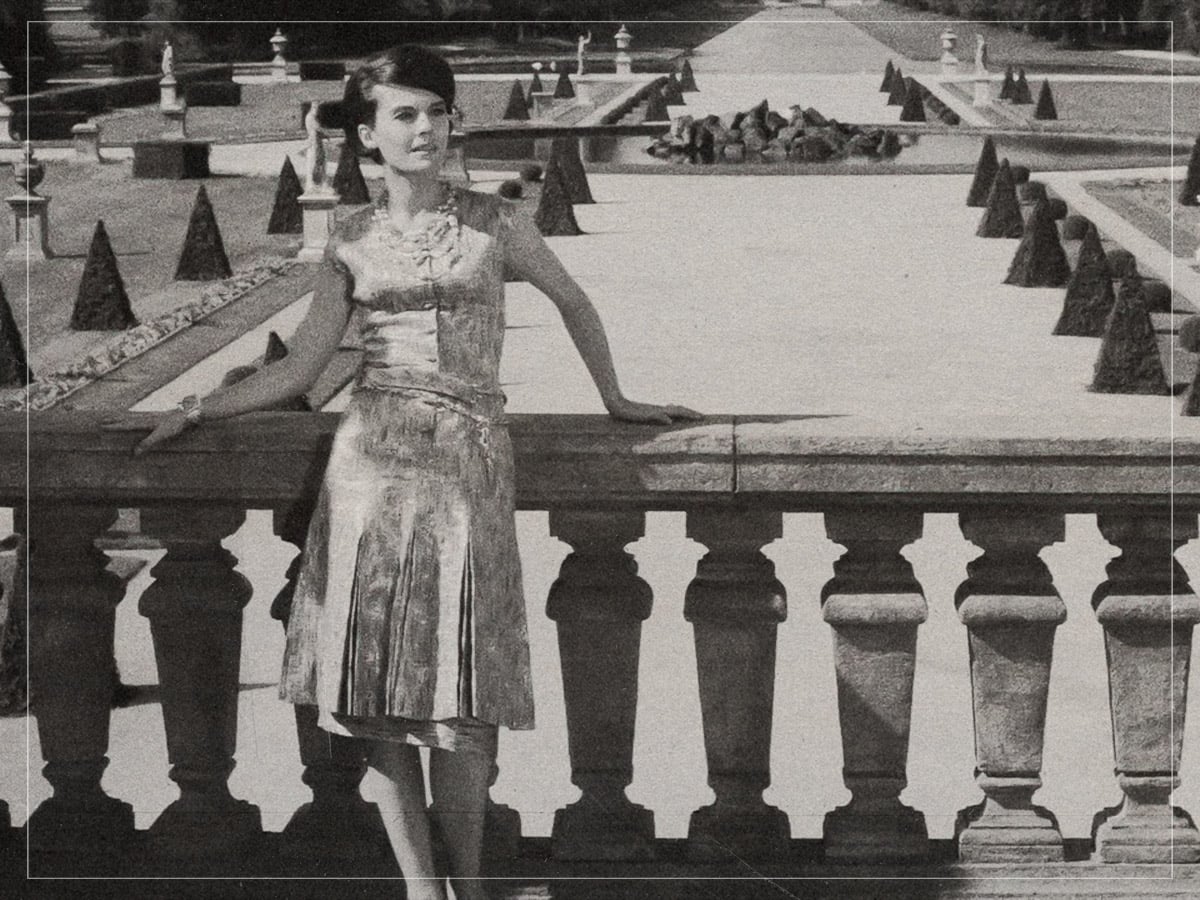
Last Year at Marienbad is easily French New Wave‘s most confunding offering, and it certainly threw me for a loop as a pretentious teenager bent on educating myself on every 1960s cinematic export from the country. I could recognise how good the film was even when understanding was fuck all, and it never left my brain; sometimes I’ll have the image of distantly spaced, cone-shaped trees pop into my head.
It’s hard to select just one scene that stands out as the most confusing, because really, the whole film is filled with ambiguity and mesmerisingly dream-like scenes which communicate an overarching theme of memory. Penned by Alain Robbe-Grillet, it makes sense that the film is as confusing as it is beautiful, basking in the avant-garde and surreal to create an atmosphere that you just can’t turn away from even if you walk away befuddled.
