


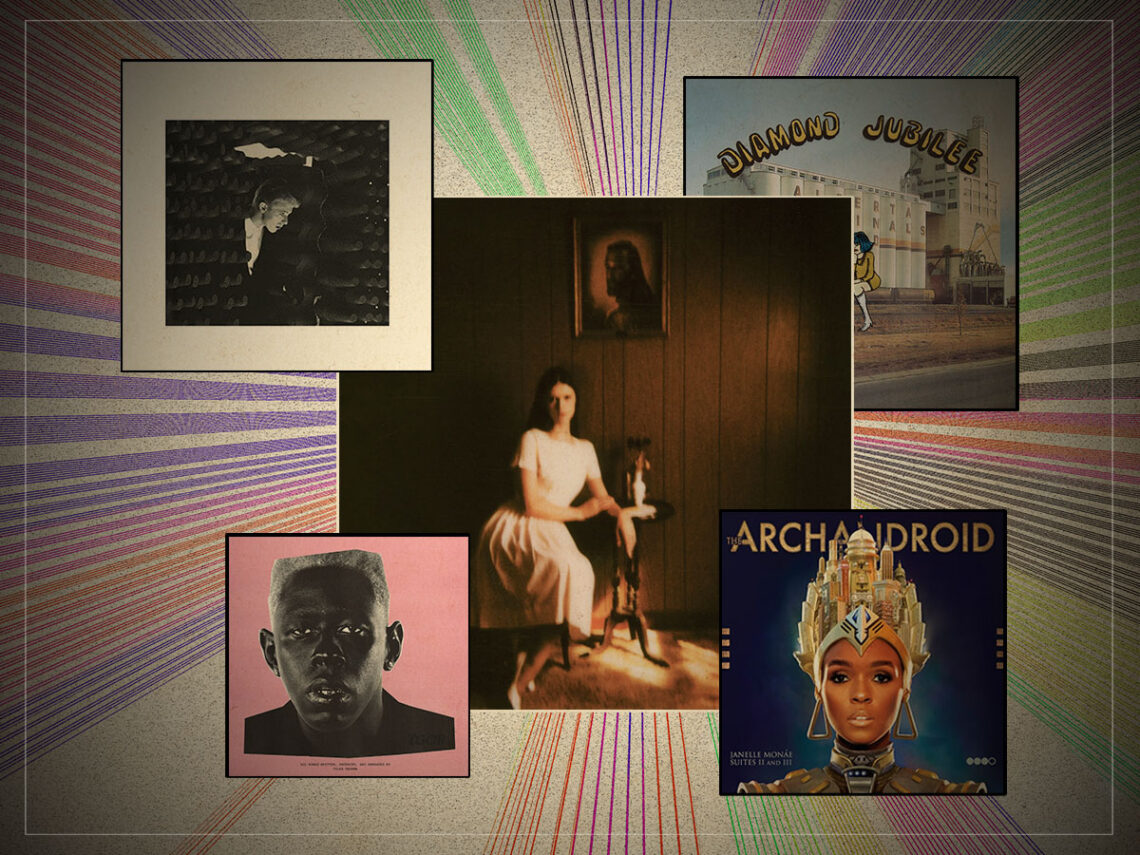
From Cindy Lee to Ethel Cain: Five masterpieces released by ‘alter egos’

What makes a good alter ego stand out?
While some simply choose to adopt a fake name in order to disguise their true identity, others will go to more extreme lengths to establish an entire fabricated backstory in order to bring this alternate version of themselves to life.
There’s a fine line between working under a moniker, such as Aphex Twin, and then working to establish a completely different guise that takes over your professional existence, and some have nailed the art of it. The reason for some artists choosing to adopt a different persona is multifaceted, but it is relatively easy to explain.
Sometimes, it’s a case of wanting to dive deep into the psyche of another person, but perhaps wanting to distance yourself from them due to how dramatically different they are from your true form, or how their actions and beliefs may not align with those you genuinely hold. In other cases, it’s to form a smokescreen that prevents people from knowing who you truly are, or at least keeps them constantly on their toes while playing a guessing game.
It’s been a thing for a long time, with writers taking on pen names to write in an entirely different style or be perceived as someone separate from themselves. However, since the dawn of popular music, which has always come accompanied by a visual element where an artist can not only express themselves through song, but through appearance, it’s become a far more common trope for people to adopt alter egos as a storytelling vehicle.
Here are some of the best examples of times when artists have formed an alter ego and allowed it to take hold of an album. While some sing from their newfound perspective and others choose to do it as an alternative to being themselves, all of the below are undisputed masterpieces that demonstrate the art of developing a new persona and taking it as far as it can possibly go.
Five masterpiece albums released by alter egos:
Ethel Cain – ‘Preacher’s Daughter’
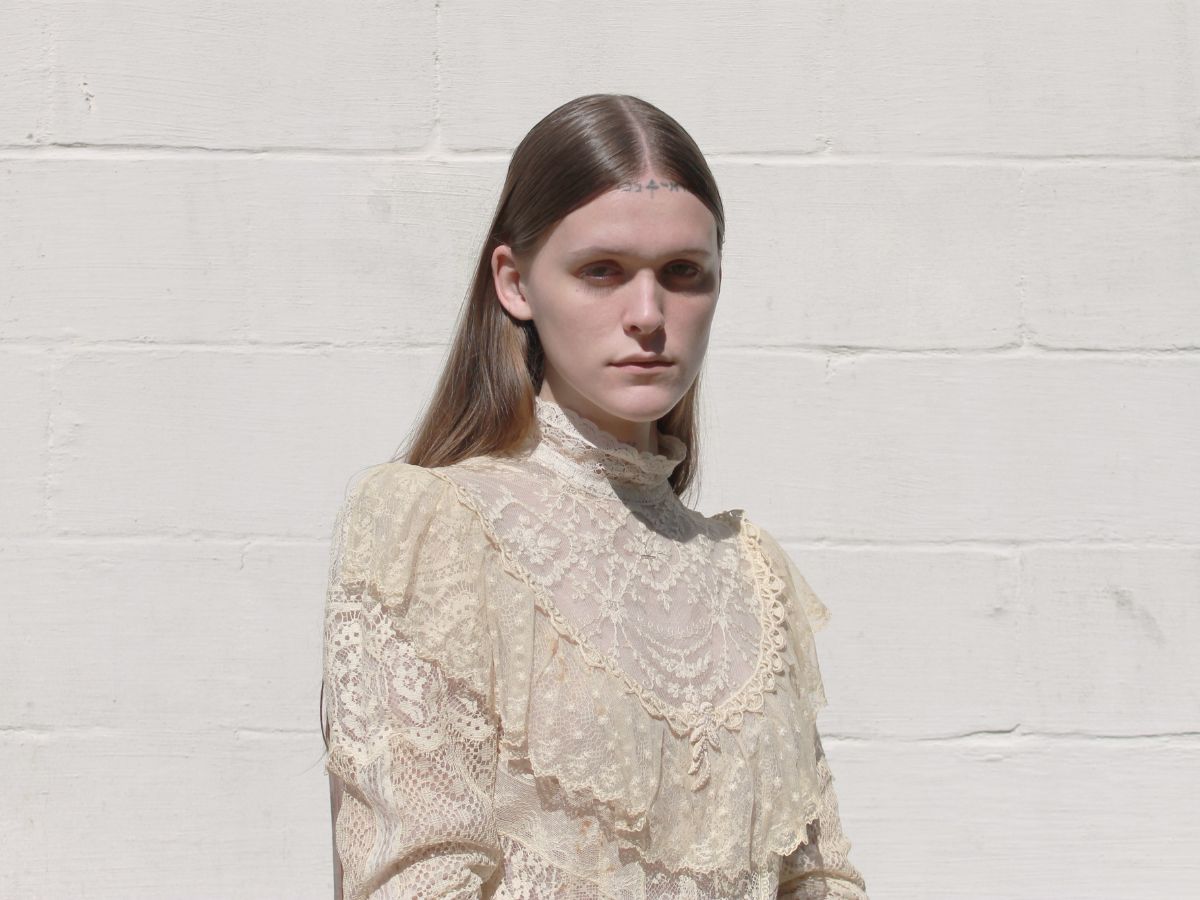
Hayden Anhedönia has kept audiences enthralled with her Ethel Cain character over the course of the past half decade, and with her new album, Willoughby Tucker, I’ll Always Love You, she’s hinted that she’s looking to put a pin in the project for the time being in order to focus on developing different personas in the same storyline as Cain.
However, her debut album, Preacher’s Daughter, remains the masterpiece of the narrative to date, exploring themes of sexual violence and processing the trauma experienced in a religious household as an LGBTQ+ individual.
While many of the stories told on the record stem from Anhedönia’s own experiences, and have helped her with the grieving process involved in overcoming the torment she felt at the hands of her Christian community, Preacher’s Daughter becomes a primal scream of an album, evoking both pain and catharsis through its ambient Americana stylings. It’s a discomfiting listen, much like EPs Inbred and Perverts, and while prequel Willoughby Tucker is unlikely to be any lighter of a listen, Preacher’s Daughter remains the statement piece of Cain’s career so far.
Cindy Lee – ‘Diamond Jubilee’
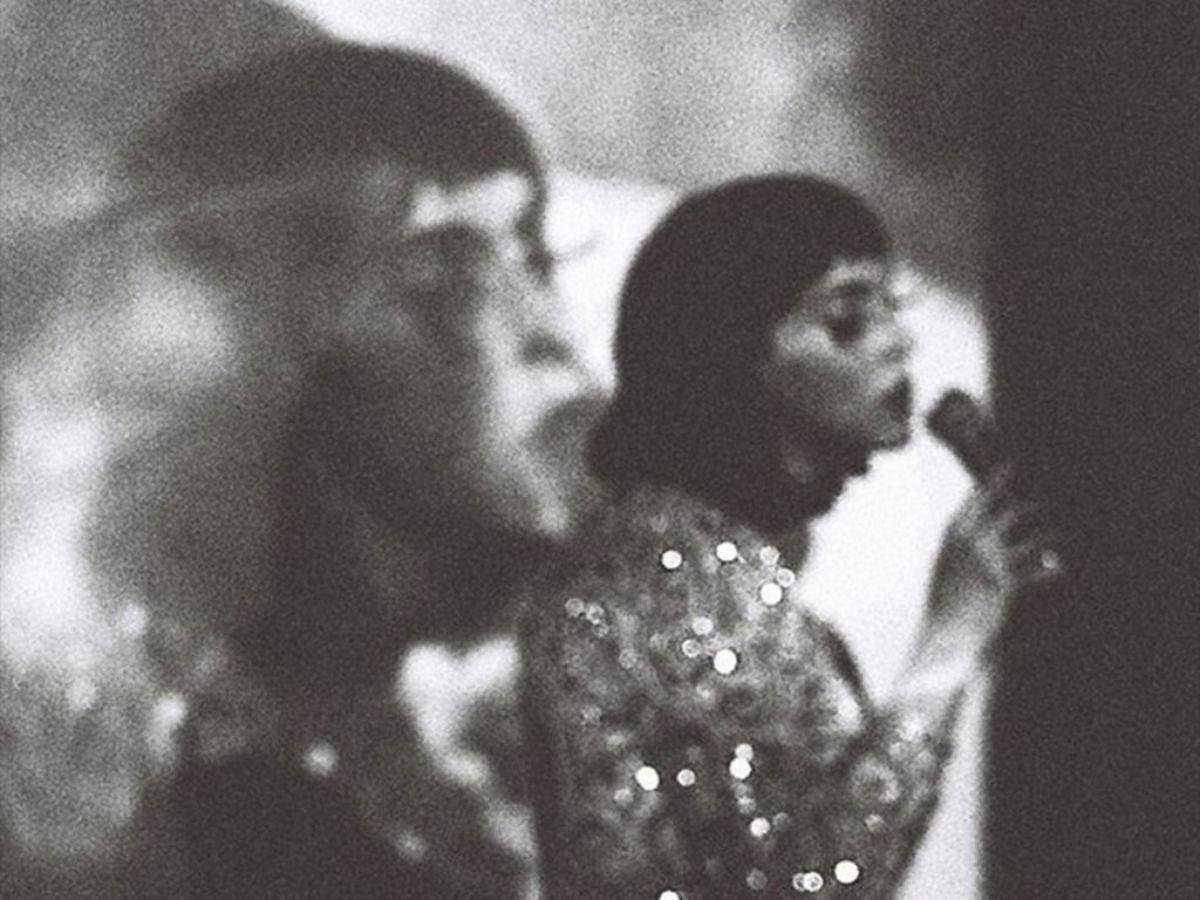
In the years after disbanding their post-punk group Women, which they formed alongside their brother Matt Flegel of Preoccupations, Patrick Flegel sought to undertake an artistic one-eighty and reinvent themselves as a ’60s-inspired psychedelic pop drag queen under the name of Cindy Lee. Releasing several albums to quiet acclaim under the new moniker, it was with their 2024 effort, the gargantuan Diamond Jubilee, that they truly announced themselves to the world.
The two-hour leviathan isn’t your typical concept album where the songs tell the story of a central character, but instead takes the listener on a hazy journey through the history of pop music, with each of its 32 tracks invoking the feel of a different era, as though the listener is accidentally skipping their way through different radio stations playing forgotten hits of yesteryear. The list of artists that Diamond Jubilee appears to take inspiration from is endless, and yet, no single album sounds quite like it.
David Bowie – ‘Station to Station’
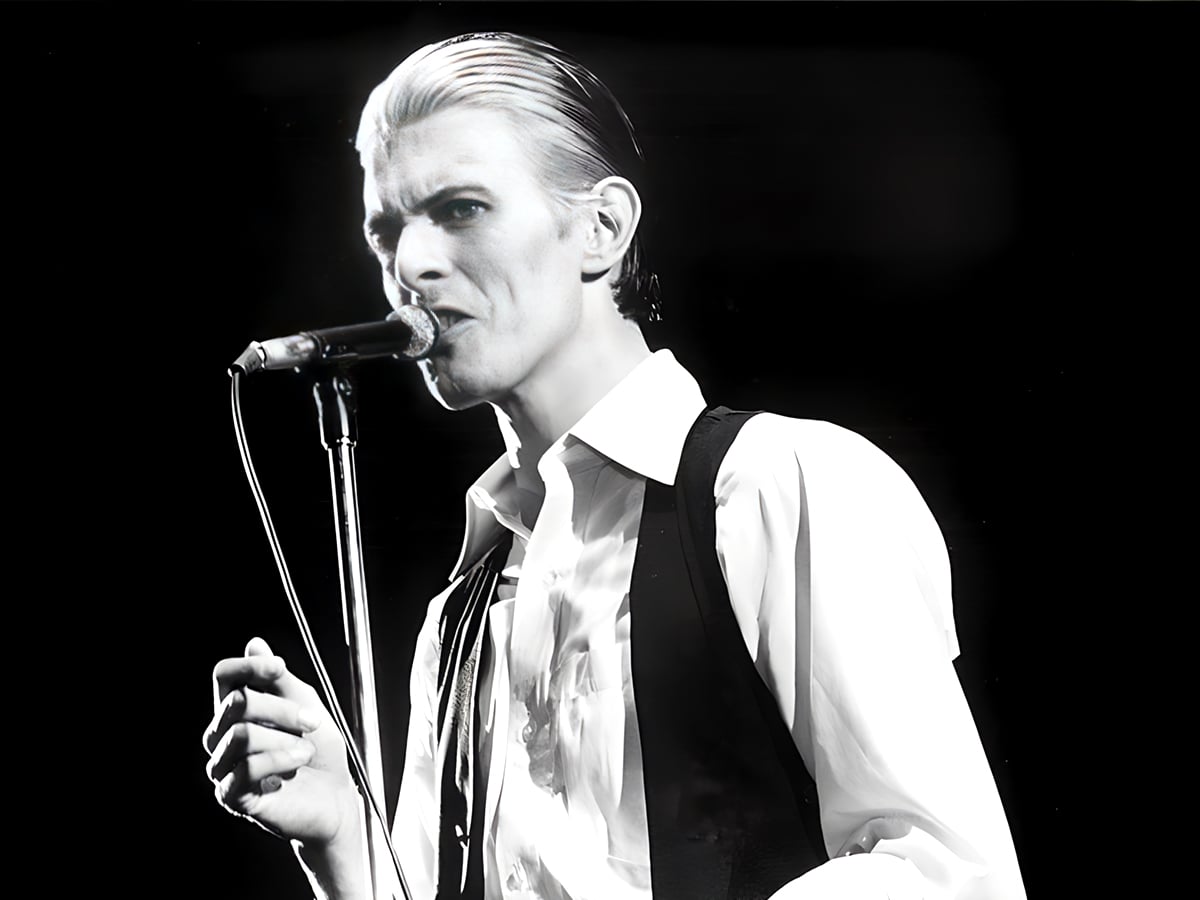
Alright, I know what you’re thinking – why not The Rise and Fall of Ziggy Stardust and the Spiders From Mars? I hear your pleas, and I completely understand why one might wish to argue that that was Bowie’s finest hour when it came to him adopting a persona.
Ziggy Stardust is arguably the character that propelled the songwriter to a greater level of fame, and the narrative aspects of the album set a precedent for virtually all instances of character-driven albums, so why not choose the album made under the guise of the glam rocker from outer space?
The reason for picking this alternative masterpiece where Bowie reinvented himself as ‘The Thin White Duke’ is that it represents the beginning of an artistic overhaul, and while many would have wanted him to continue creating alter egos like Ziggy Stardust or Aladdin Sane, his persona on Station to Station is a much darker character that represented his fragile state of mind at the time. Grappling with drug addiction and an increased sense of alienation in the music industry, the character mixed suave romanticism with controversial neo-fascist values on a soulful yet edgy set of masterful songs that arguably paved the way for his equally sublime ‘Berlin Trilogy’ afterwards.
Janelle Monáe – ‘The ArchAndroid’
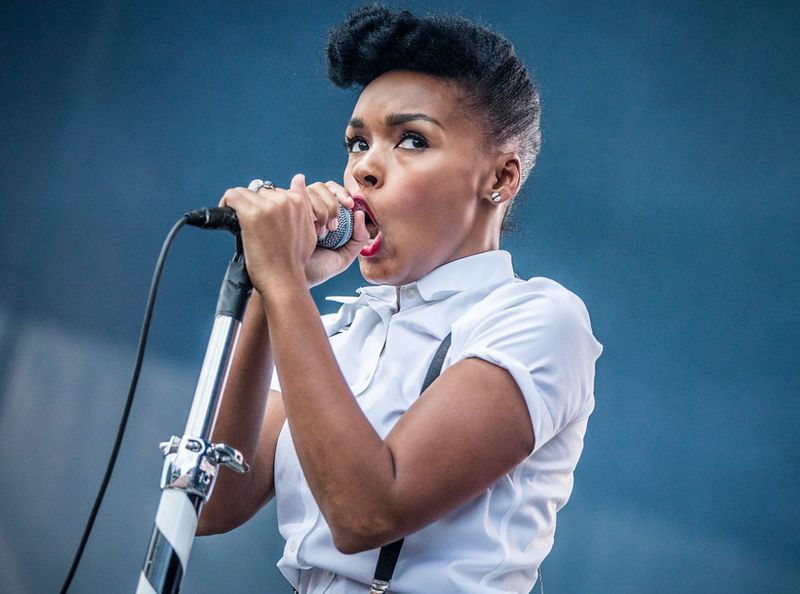
Much like Bowie before her, Janelle Monáe has always played fast and loose with inventing new personas, but the story of the messiah-like protagonist that she assumes the role of on her debut album, The ArchAndroid, is still perhaps the most complete presentation of a character that she has offered to date.
Taking inspiration from Afrofuturism, Fritz Lang’s Metropolis, and records from a wide range of artists including Bowie, OutKast and Prince, Monáe came out of the gates presenting herself with a fully-formed artistic identity, and one that was far more detailed and elaborate than most would dare to attempt.
The central character had previously appeared on her debut EP, Metropolis: The Chase Suite, in 2007, but while that only served as an introduction to Monáe’s far-fetched idea, The ArchAndroid managed to contain the sprawl in one dazzling package. Regularly regarded as one of the artists who thrust contemporary R&B and neo-soul into a more experimental direction, there is plenty of funk, new wave, psychedelia, and pop to be found on this record, something that Monáe would only expand upon on future releases.
Tyler, the Creator – ‘Igor’
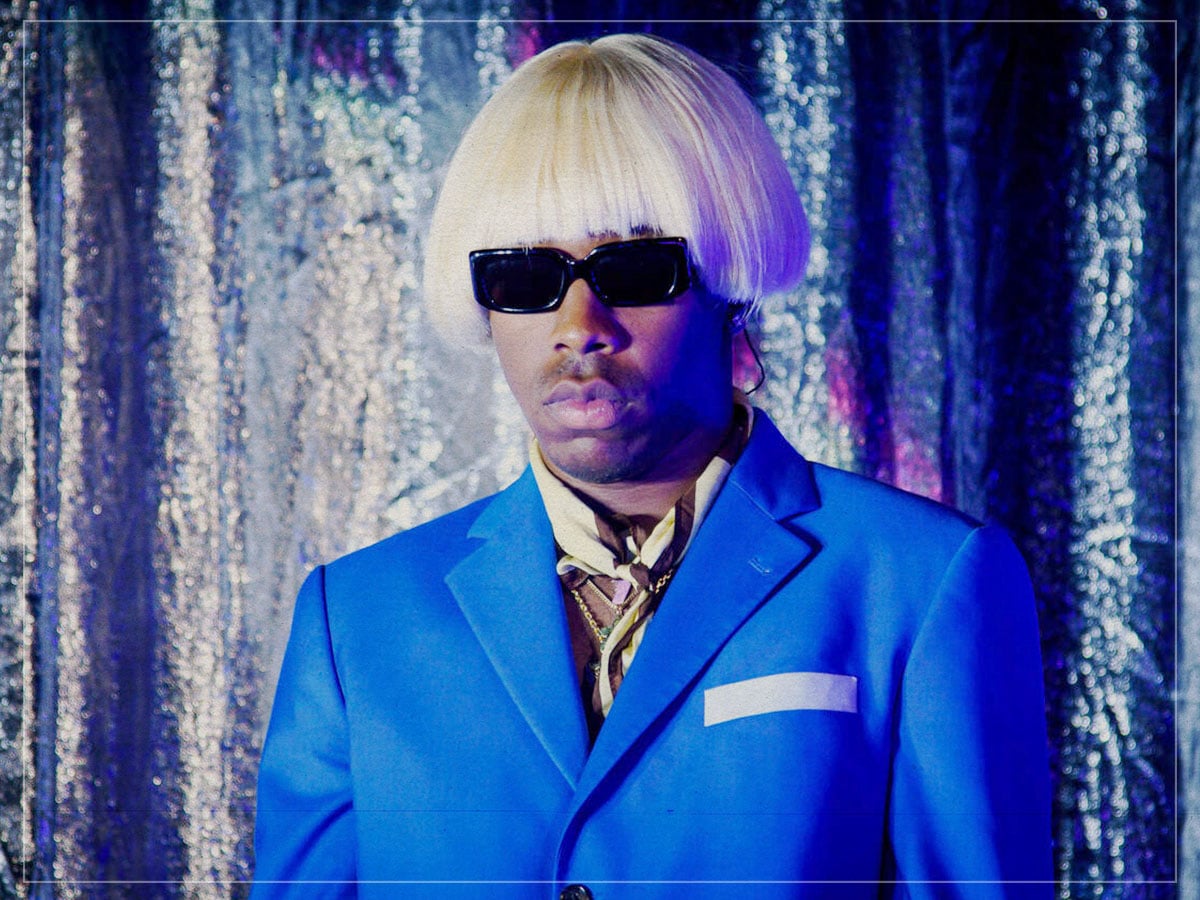
Once again, we land on an artist who has taken some radical and shocking turns through different shapeshifting eras throughout a storied career, but with 2019’s Igor, Tyler, the Creator found himself adopting his most intriguing alter ego to date. There had been signs that Tyler was keen to rid himself of the angsty and violent personas that had characterised the early parts of his career, and with both Cherry Bomb and Flower Boy, there were definite shifts towards creating works that focused more on beauty, sensitivity, and revealing more of the true Tyler Okonma.
All perception of Tyler changed with Igor. No longer was he an unruly kid looking to shock with provocative lyrics, nor was he constantly looking to spill more information on his true self. Instead, he was flitting between his own earnest feelings and those of the flamboyantly dressed, blond-bobbed villain of the story, who Tyler had found himself in a love triangle with.
The exchanges between both of his identities make for a fascinating story arc, and the fusion of R&B and soul with his traditional hip hop style is a fantastic backing for what was arguably the end of Tyler, the Creator, and the birth of Tyler, the Auteur.
