


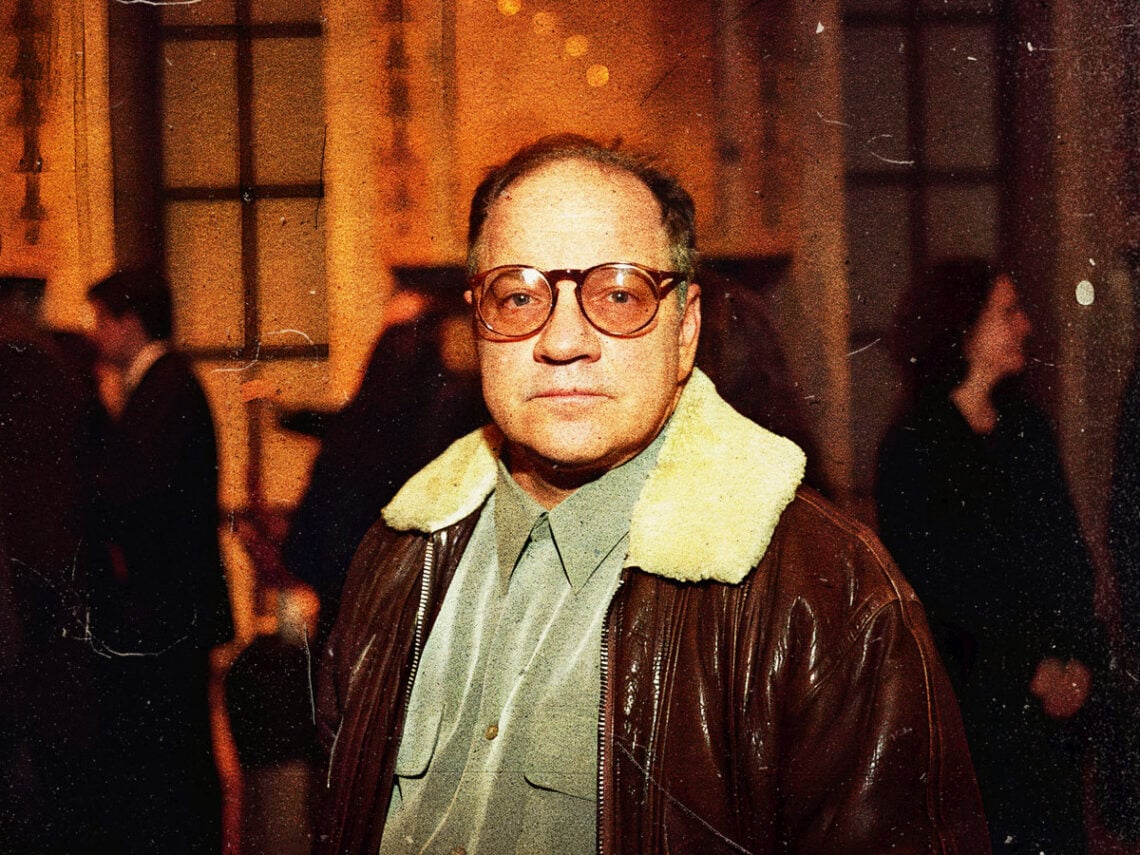
Paul Schrader names the five iconic movies that “liberated” him

Although it was his screenwriting collaborations with Martin Scorsese that made him a global icon, Paul Schrader has become an auteur in his own right. Through fascinating meditations on modernity and loneliness, such as Light Sleeper and First Reformed, the American filmmaker has meticulously developed his own cinematic style. Influenced by other pioneers such as Robert Bresson, Schrader’s films are deeply connected with his research on “transcendental” aesthetic frameworks.
While Schrader’s latest film, Master Gardener, might have been his weakest project in recent years, he almost never forgets to pay homage to the masters. During a conversation with AFrame, Schrader opened up about the cinematic masterpieces that “liberated” him as a filmmaker and showed him the infinite potential of the cinematic medium. These five iconic works changed his trajectory as a filmmaker forever, inspiring him to take risks and find his own voice.
“Through a Glass Darkly made me realise that films could be serious art,” Schrader explained while talking about Ingmar Bergman. “That film was a revelation for me. Before it, I’d only seen a few movies, and I had been pretty disappointed in them because I didn’t watch them as a kid. I’d watch teen fare like Wild in the Country and be left a little unimpressed. But then I saw Through a Glass Darkly, and it was the first film that I felt like I really saw as an adult — even though I was only 18 at the time.”
A lifelong fan of Robert Bresson, Schrader added: “When I saw Pickpocket, I saw what my artistic mission could be. From the spareness and the asceticism to the decision to not give the audience as much as they want but more than they need to get to where you want them to go. It really all has to do with the film’s manipulation of time and the way that it deals with Gilles Deleuze’s theories about film as action versus film as time. Ultimately, it’s about waiting and what things can happen when you wait.”
“Performance really freed me editorially,” the director revealed while citing the subversive 1970 cult classic. “The film has such an odd history. It was dumped by [then Warner Bros. president] Ted Ashley, and in the true spirit of the times, what happened was that Nicolas Roeg and Donald Cammell — which is a very interesting pair — were able to make the film doing pretty much anything they pleased. Donald Cammell was a follower of black magic. Nic Roeg, meanwhile, was buttoned down but a real visual artist. He once said to me, ‘People like to think Donald is a freak and I’m the technician, and we let them think that’.”
Check out the full list below.
Five films that “liberated” Paul Schrader:
- Through a Glass Darkly (Ingmar Bergman, 1961)
- Pickpocket (Robert Bresson, 1959)
- The Conformist (Bernardo Bertolucci, 1970)
- Performance (Donald Cammell and Nicolas Roeg, 1970)
- The Wild Bunch (Sam Peckinpah, 1969)
In addition to works by directors like Ingmar Bergman and Robert Bresson, Schrader also took the opportunity to praise Bernardo Bertolucci’s contributions to the medium. When asked about Bertolucci’s filmography, Schrader singled out The Conformist as the work that permanently freed him from the rigidity of the visual language he had been familiar with before that.
Schrader said: “The Conformist liberated me visually. The film really broke the mould of production design, primarily due to the work by Ferdinando Scarfiotti. As a filmmaker, Bertolucci combined the time manipulation of Antonioni with the vivid editorial juxtapositions of Godard, and he really used production design to combine all of those things together. The Conformist was the first film I know of that treated locations like they were sets.”
