


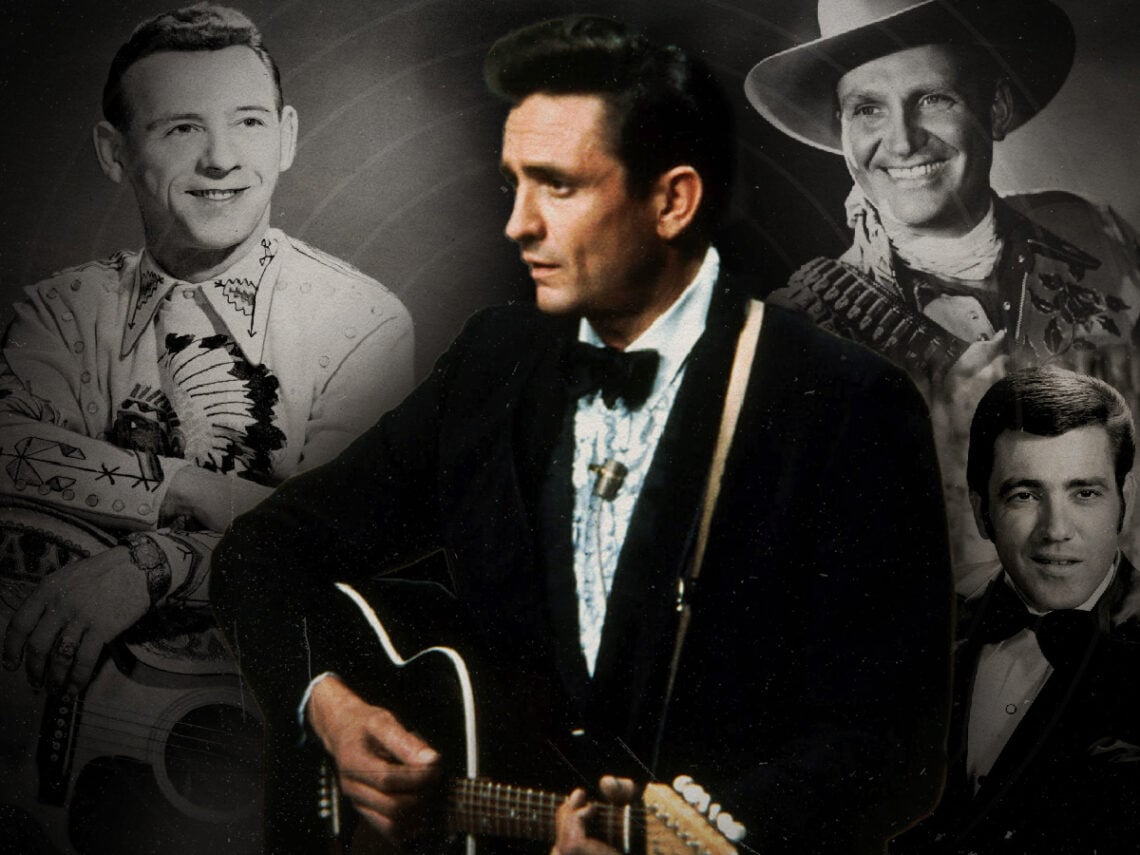
The five greatest country artists, according to Johnny Cash

If anybody were to stand as the veritable icon of country music, most would plump for Johnny Cash.
Always shrouded in a sense of the outlaw, ‘The Man in Black’ pursued a dogged commitment to country’s rustic foundations, anchored in that mystical intersection between the dusky contemporary and its touching distance of Americana’s frontier mythology. Some novelty misfires would sag his output in the 1980s, but a string of records with Rick Rubin would propel Cash back to the lauded heights of his 1950s heyday, his authoritative take on Nine Inch Nails’ ‘Hurt’ standing as an eternal coda for the Arkansas country pioneer.
When asked his thoughts on modern country, Cash was magnanimous enough on the broader music world around him, but never made a secret of where his heart truly lay. “I’m a traditionalist,” he told Rolling Stone in 1994. “I like the old traditional country music”.
He added, “That, to me, was the seminal country music, and to me, it’s still the best. Whereas country has gotten to, I think, the age now of electronic, push-button, TV, video and all that and special effects. I don’t listen to a lot of country music, no. I don’t listen to a lot of rock, either. I listen to a little of both. I listen to everything once.”
Cash would dip his toe in the pop world, memorably performing with the synth-smattered ‘The Wanderer’ on U2’s Zooropa, and mining the modern songbook for his American Recordings series, but, at the end of the day, Cash’s country crème de la crème harkened back to the art form’s old world. Take a look below at the five artists he reeled off when considering the genre’s all-time greats.
The five greatest country artists, according to Johnny Cash:
Hank Snow
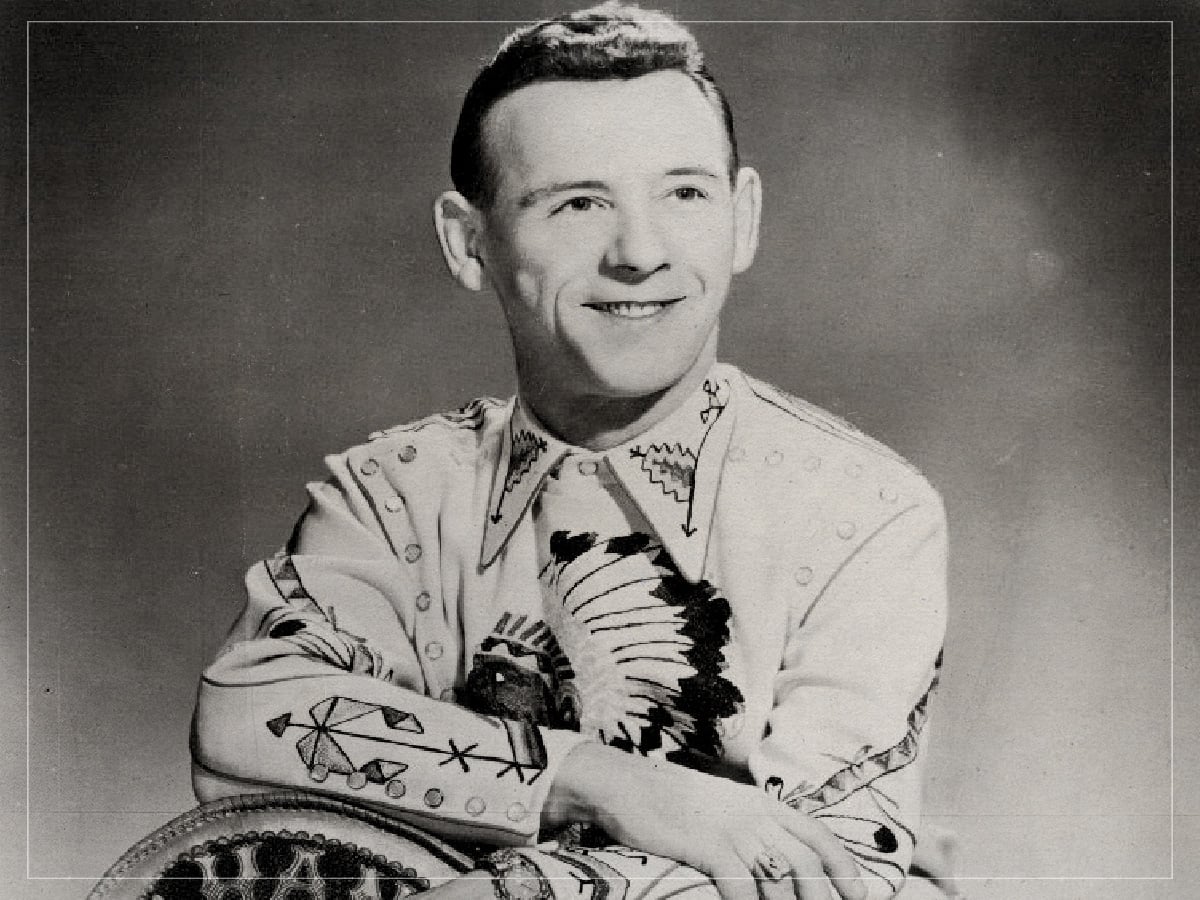
While born in Canada, Hank Snow scored a Southern country tradition that stood tall in the big leagues. Imbuing the stoic, cowboy tradition, Snow was able to pen stirring yet soothing baritone twang numbers charged with a mournful wist, wrought from his tough upbringing and blue-collar background.
Snow would sail through the country charts from the 1950s for decades, playing the famed Grand Ole Opry and giving a young Elvis Presley his break by offering the stage to the nascent rock and roller. Cash was always a fan, later covering ‘I’ve Been Everywhere’ Snow had popularised in 1962.
Gene Autry
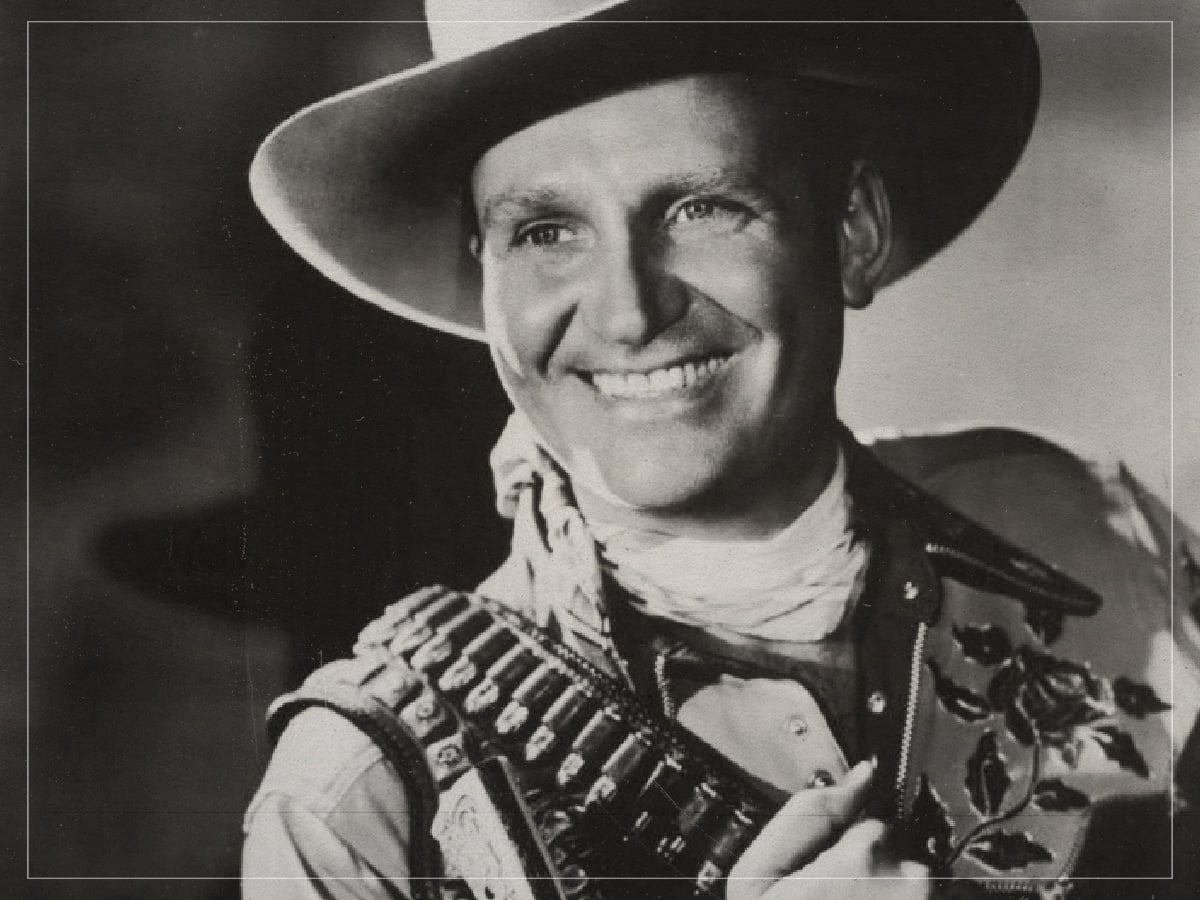
Leaning toward the gentler escapism of country’s golden age with Hollywood, ‘The Singing Cowboy’ Gene Autry reflected a certain misty-eyed ideal of Southern culture, the Texan crooner starring in countless westerns on the big screen and his own CBS TV show.
When name-checking Autry’s influence, Cash adds the “early” caveat to the early country star. It could mean an aversion to the patriotic numbers recorded during the war, at odds with his Highwayman sensibility, or it could be a preference for the even earlier numbers like ‘You’re the Only Star in My Blue Heaven’ popular in the hillbilly jukeboxes. Whatever the case, Autry’s towering legacy shaped Cash’s road to country.
Jimmie Rodgers

It’s likely that when you think of country’s early foundations, long before electric guitars and pop charts, you’ll revert to Jimmie Rodgers’ ‘Blue Yodel (T for Texas)’, the 1928 hillbilly blues number featuring his distinct yodelling vocal delivery. Shaped by Mississippi’s old world, working-class grit, the railway worker would enjoy some national prestige before dying of tuberculosis at just 35, only three years after truly breaking through, but not before about 120 session recordings.
Rodgers’ blue yodel had a deep impact on Cash, performing a version of ‘Standing on the Corner (Blue Yodel No. 9)’ with Louis Armstrong in 1970 on his ABC show, who had laid down an uncredited trumpet part on the original cut, and would record numerous covers over the years, including a notable medley with Bob Dylan on The Bootleg Series Vol. 15: Travelin’ Thru, 1967–1969 compilation.
The Carter Family
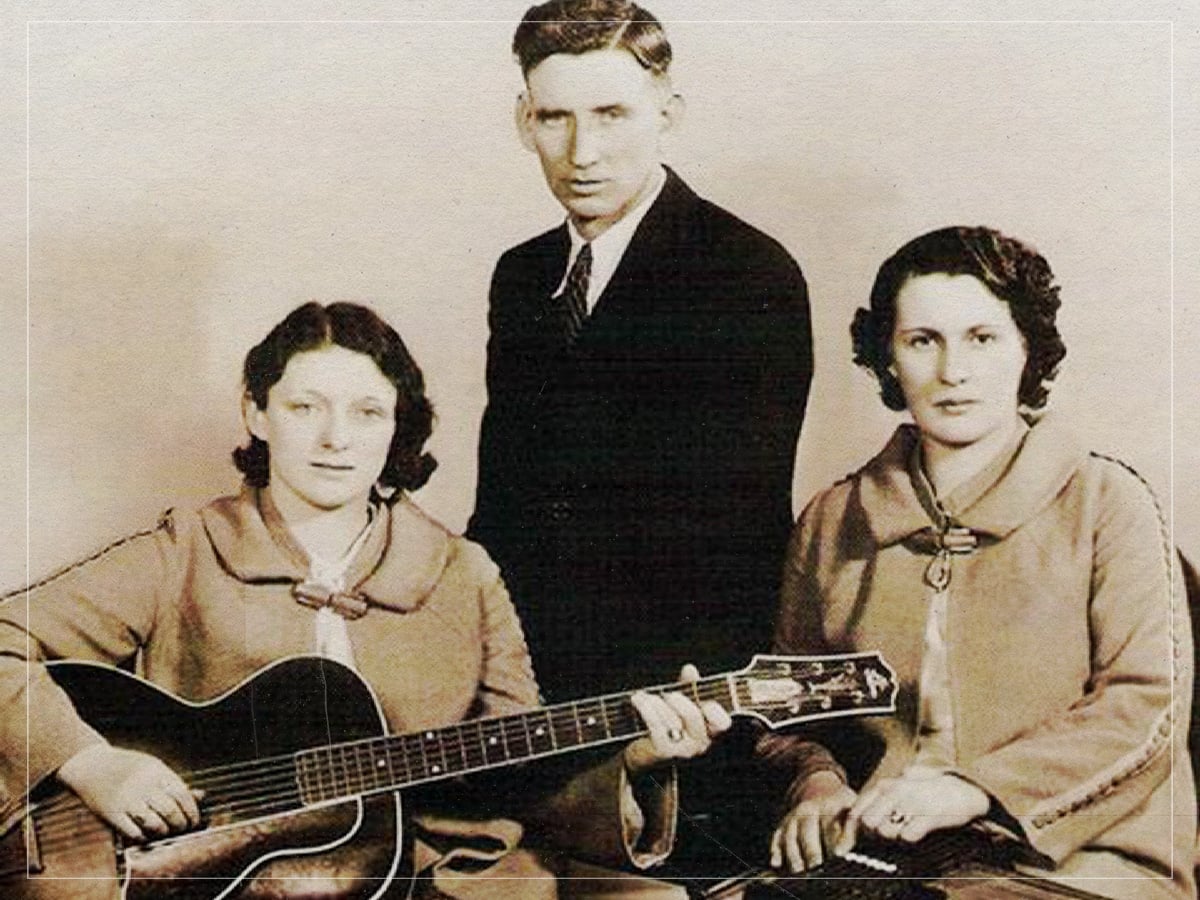
Going back even earlier was the pioneering guitar picking of The Carter Family. Founded in the late 1920s in Virginia by husband and wife Sara and AP, and Sara’s sister in law Maybelle, the Carters’ rootsy blend of gospel bluegrass, coupled with the family’s distinctive ‘scratch’ style of playing rooted in the Appalachian tradition, would cast an enduring legacy on the folk revivalism that would emerge toward the end of their original recording tenure in 1956.
The Carter Family would continue as a subsequent country dynasty, as recently as 2016, Laura Weber White performing in the family heritage, and famously, Cash marrying Sara and AP’s niece June.
George Jones
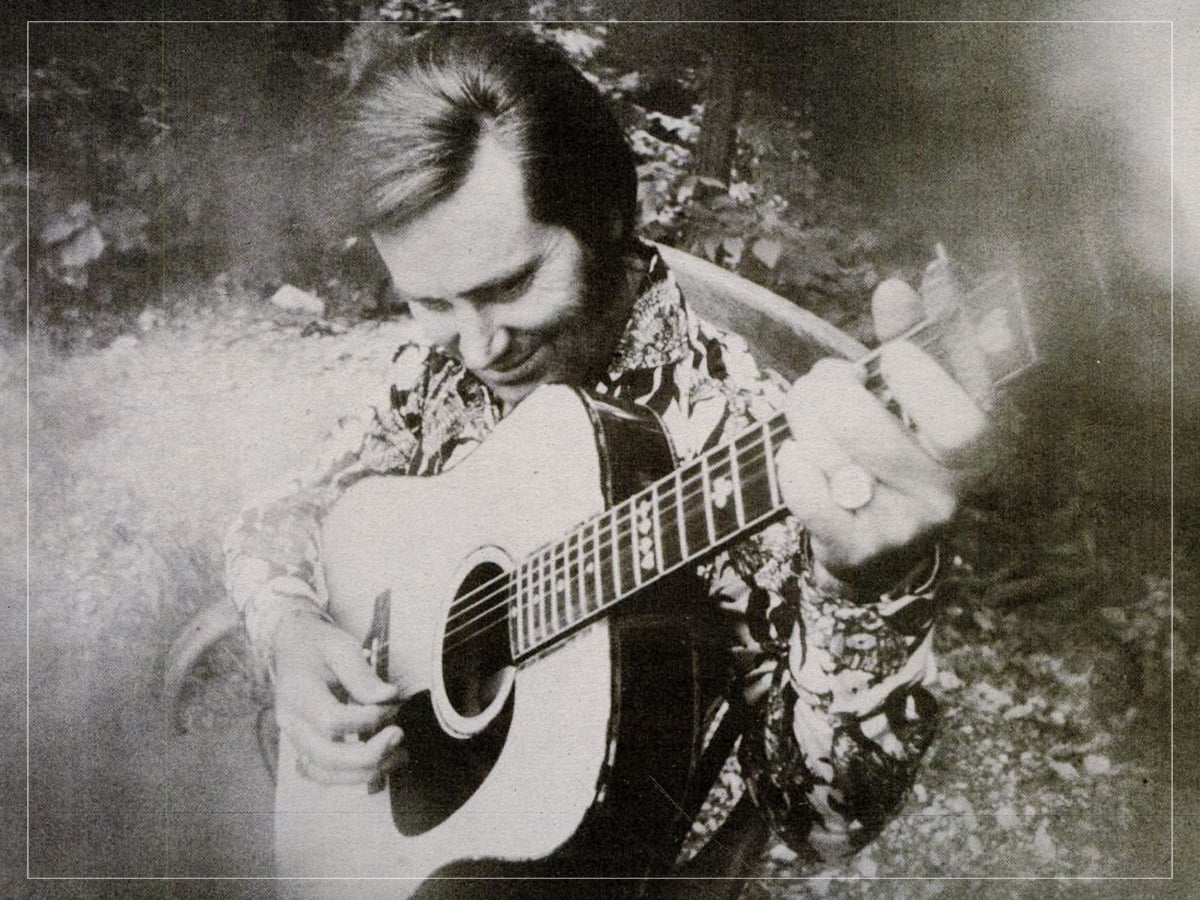
When asked the question of his favourite country artist of all time, Cash once quipped without hesitation, “besides George Jones”? Sharing a similar fraught road of stardom and alcoholic demons, the former US Marine lived and breathed his sorrowful ballads and light-hearted ditties, spelling an authenticity at odds with Nashville’s pulling the country sound toward accessible dilution.
Not that chart success eluded him. While charting rocky waters in the late 1970s, Jones otherwise enjoyed a healthy chart presence across his nearly 60-year recording career. One of the lauded heroes of the country scene, Jones’ legacy is still celebrated by later stars such as Garth Brooks and Kenny Chesney, whatever Jones’ opinion of them may have been. Cash and Jones would frequently play together, most notably on 1979’s ‘I’ll Say It’s True’.
