


Five essential movies that explore the power of protest

Looking at the news in the summer of 2023, it appears that the entire world is on strike, whether it’s Just Stop Oil and similar environmental groups standing up for the future of the Earth’s climate or the Screen Actors Guild and Writers Guild of America who are battling for better pay. Such actions differ in their difficulty, but if history has shown us anything, it’s that anything can be achieved through the power of protest.
Cinema has long been used to communicate messages of protest, with this being evident even at the dawn of cinema when Sergei Eisenstein released his seminal 1925 film Battleship Potemkin, a film with revolutionary cinematic techniques and a narrative that told the story of the crew of a vessel who stage a mutiny after being treated poorly onboard, brutally clashing with police as a result.
More recently, movies have been used as an essential art form used to bolster protest movements. Just take Ava DuVernay’s 2016 documentary 13th, which spoke of the deep racial inequality that exists in the United States. Distributed on Netflix, the film gained widespread viewership, particularly following the Black Lives Matter protests in 2020 following the death of George Floyd at the hands of violent law enforcement.
Take a look at our list below of five essential movies that explore the power of protest and get inspired to fight the power.
Five essential protest movies:
Erin Brockovich (Steven Soderbergh, 2000)
Often when we think about protests, we consider mass movements of megaphones and placards, but Steven Soderbergh’s Oscar-winning movie Erin Brockovich demonstrated that sometimes standing up for the rights of others can be led by just one individual. Telling the true story of Erin Brockovich (Julia Roberts), an unemployed single mother who fought against the Pacific Gas and Electric Company after they knowingly contaminated the Californian water supply, Soderbergh’s movie is a rousing watch.
Featuring an excellent Academy Award-winning performance from Roberts, Erin Brockovich is as entertaining as it is genuinely inspiring, asking why you yourself aren’t standing up for others in the face of adversity.
Get on the Bus (Spike Lee, 1996)
The great American filmmaker Spike Lee is best known for his protest movies Do the Right Thing and Malcolm X, but we’ve opted for one of his lesser-known films, the meditative 1996 road-trip flick Get on the Bus. It all follows a rather random group of black men travelling by bus together to Washington, DC, in order to attend the Million Man March of October 1995, an event organised to unite the community against economic and social injustice.
Remaining an extremely pertinent piece of filmmaking over 25 years since its release, Lee tackles issues of racism and prejudice with the usual wit and poignancy, largely thanks to the screenplay of Reggie Rock Bythewood that speaks to the necessity of unity in times of hardship.
Harlan County, USA (Barbara Kopple, 1976)
Barbara Kopple’s 1976 movie Harlan County, USA is more than a great protest film, it’s one of the greatest documentaries of all time and a gem of female filmmaking in the late 20th century. It all follows the true story of the Brookside Strike, a protest held by over 180 coal miners against the Duke Power Company, with the workers fighting for better pay and working conditions.
A powerful statement in support of workers’ rights, Kopple dissects the psychology of the strikers, creating a document of their tenacity in the face of great financial might and brutality. In cinema history, there may not be a better expression of the potency of worker’s unions.
Hunger (Steve McQueen, 2008)
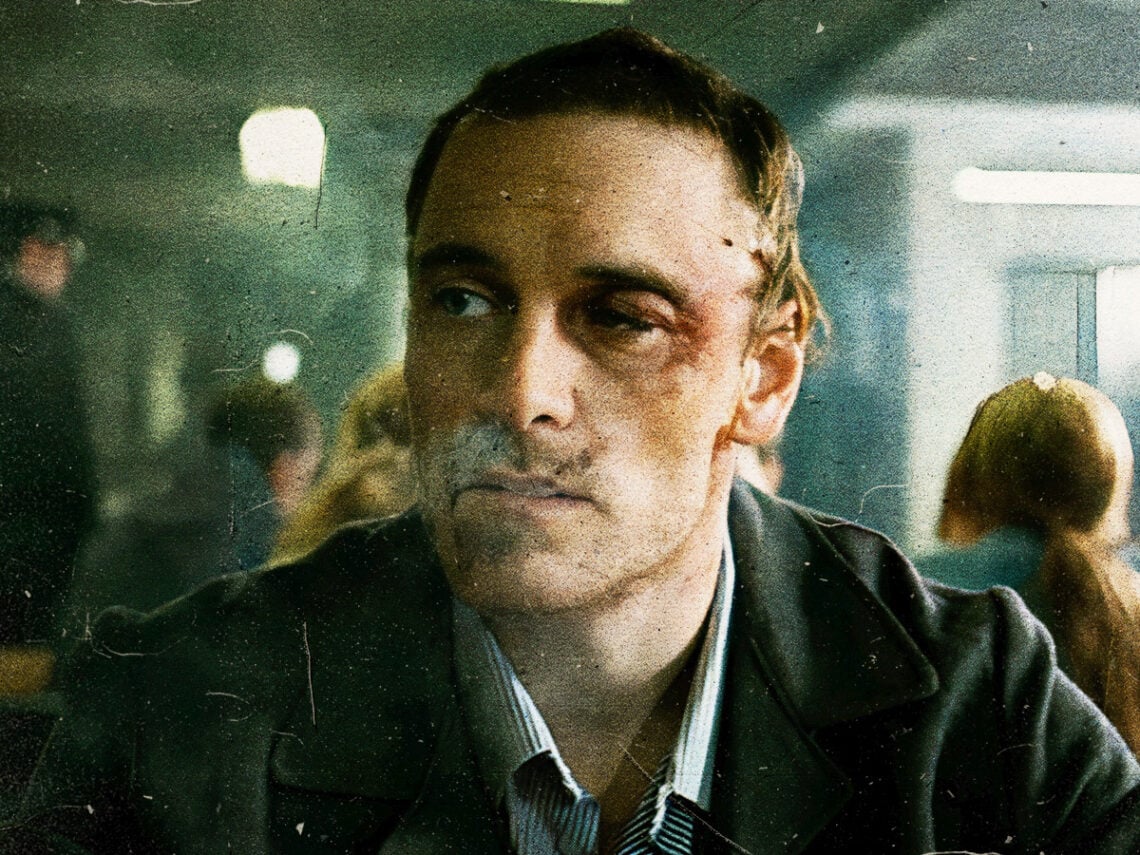
These days, Steve McQueen is seen as one of the most highly-regarded filmmakers in contemporary British cinema, most recently making the short protest piece Grenfell, as well as the essential Small Axe series. His directorial debut in the form of 2008’s Hunger may be his most well-rounded movie, however, telling the true story of Bobby Sands, the IRA member who led a hunger strike in an effort to regain political status after it was revoked by the British government in 1976.
As well as a breakout movie for McQueen, it was also a significant release for lead star Michael Fassbender, playing the Irish icon with astonishing physical dedication. Telling the story with a visceral cinematic approach, McQueen creates a profound film that justly immortalised the icon who changed the course of the conflict.
Milk (Gus Van Sant, 2008)
Another biographical drama from 2008 bookends our list with Gus Van Sant’s Oscar-winner, Milk, telling the true story of the gay rights activist and politician Harvey Milk (Sean Penn). The very first gay man to be elected to public office in California, Milk was essential in protecting LGBTQ+ rights in the late 1970s and 1980s, sponsoring a bill banning discrimination based on sexual orientation, among other triumphs.
A key figure in the battle for LGBTQ+ rights in the late 20th century, Van Sant does Milk justice with a rousing political drama that would earn screenwriter Dustin Lance Black and Penn Academy Awards for their contributions.
