


Five Bruce Springsteen songs that define his genius

Loathe though I am to write an article that ‘The Boss’ himself would probably roll his eyes at so hard they’d fall out of his ears, the genius of Bruce Springsteen is the kind that you’d have to be a pretty staunch contrarian to deny.
Even if his music isn’t to your taste, it would be difficult to deny that the man is a master of his craft. Just as I personally am not a huge fan of one of Springsteen’s idols, Bob Dylan, but can’t deny that the guy is a capital G genius.
Which begs the question, what makes a genius when it comes to pop music? The medium is one of the most subjective in the world of art, which is in and of itself inherently subjective when it comes to questions of quality. Does the chart dominance of Max Martin make him more or less of a pop genius than Lou Reed, and his sweeping influence over the forms pop music has taken since? It’s a complicated question, but for one that I want to put forth a possible answer here.
I think the concept of a genius within pop music has less to do with adhering to one concrete definition of the term and more to do with an analysis of what they’ve done. The Max Martin/Lou Reed examples earlier were something of a feint. Rather than one being more of a genius than the other, both of them achieve that status in their own way. It’s something that Springsteen has also achieved in his way, which is in the sheer scope of his songwriting.
What Bruce Springsteen does better than the vast, vast majority of songwriters in pop music is manage to stamp his own identity on songs that are otherwise completely different. His is a voice both metaphorical and literal that is unmistakable, despite how many different songs he can write to perfection. To illustrate, we’re going to go through five songs that sum up just how versatile a songwriter ‘The Boss’ is.
Five genius Bruce Springsteen songs:
‘Thunder Road’
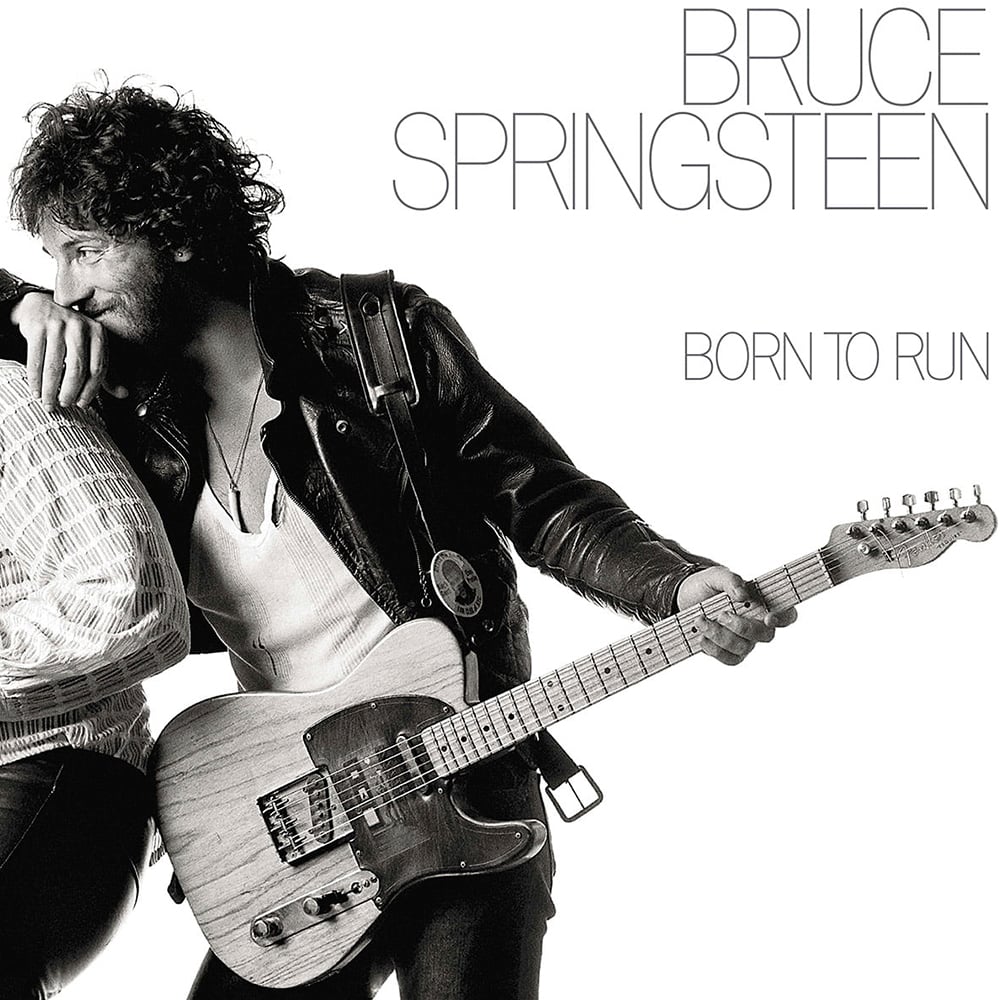
It was a toss-up between this and his deathless ‘Born to Run’ to kick off this list. They are both perfect examples of Springsteen at his most Springsteen. At his core, he’s rock ‘n’ roll’s Steven Spielberg, making skyscraping, dazzling works of Americana out of feelings so pure they border on innocent, always verging on cringe but managing to pull it back by the sheer craft and passion on display. In the end, I went with ‘Thunder Road’ because, whisper it, it’s the better song.
‘Born to Run’ is a herculean achievement, but one that gains its power from its production and an absolutely astonishing turn from the E Street Band. It loses something by stripping it of its bluster in a way that ‘Thunder Road’, stripped back to just its storytelling and its melody, gains a huge amount. Seriously, how many other songs have created as powerful an image in six words as “a screen door slams, Mary’s dress waves”?
‘Hungry Heart’

This may seem like a strange song to place as a high point in Springsteen’s songwriting back catalogue, but how much it sticks out here is kind of the point. ‘Hungry Heart’ was a song pulled out of absolutely nothing for the sake of a hit, and what’s more, it worked. So clearly and so obviously that Springsteen’s manager, Jon Landau, had to bully the poor lad into not giving it away to the band who’d actually asked for a song, the Ramones.
This is a particularly underrated aspect of Springsteen’s work as a songwriter, that he had a knack for pure pop songwriting that only really came out when he wrote for others. ‘Because the Night’, ‘Fire’ and ‘Blinded by the Light’ were all massive hits for other artists as well, but there’s something about the sheer purity of ‘Hungry Heart’ that makes it deserve its place on this list. For all the artistic vision of his work, he was just as good at creating blissful pop thrills.
‘Johnny 99’
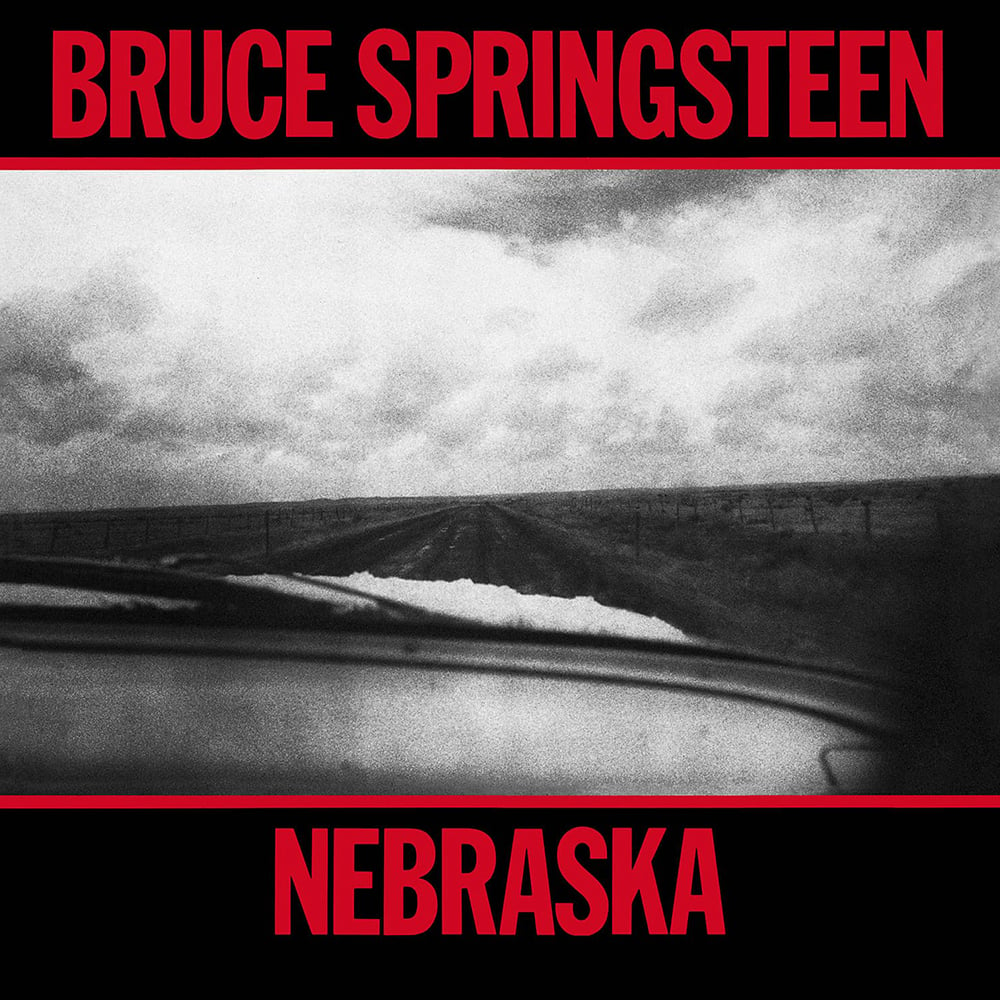
The upcoming Jeremy Allen White starring as Bruce Springsteen biopic, Deliver Me From Nowhere, takes after the Bob Dylan feature, A Complete Unknown, by focusing on a specific part of its subject’s life. There are several parts of ‘The Boss’ life that could do with a similar treatment, but the making of his stark, lonely 1982 album Nebraska is an inspired choice. This whole album was the reveal of a hitherto unknown part of Springsteen’s songwriting calibre, and picking one high point is one hell of a task.
I decided on ‘Johnny 99’ because it shows that if he wanted to, he could have been Nick Cave a year before The Birthday Party split up. A bleak, chilling short story about an auto worker who kills a night clerk while he’s blackout drunk, and rather than die serving out his 99-year prison sentence, he requests to be executed instead. It shows how his novelist eye can be used for haunting stories of the downtrodden, rather than heroic narratives of overcoming the odds.
‘Dancing in the Dark’
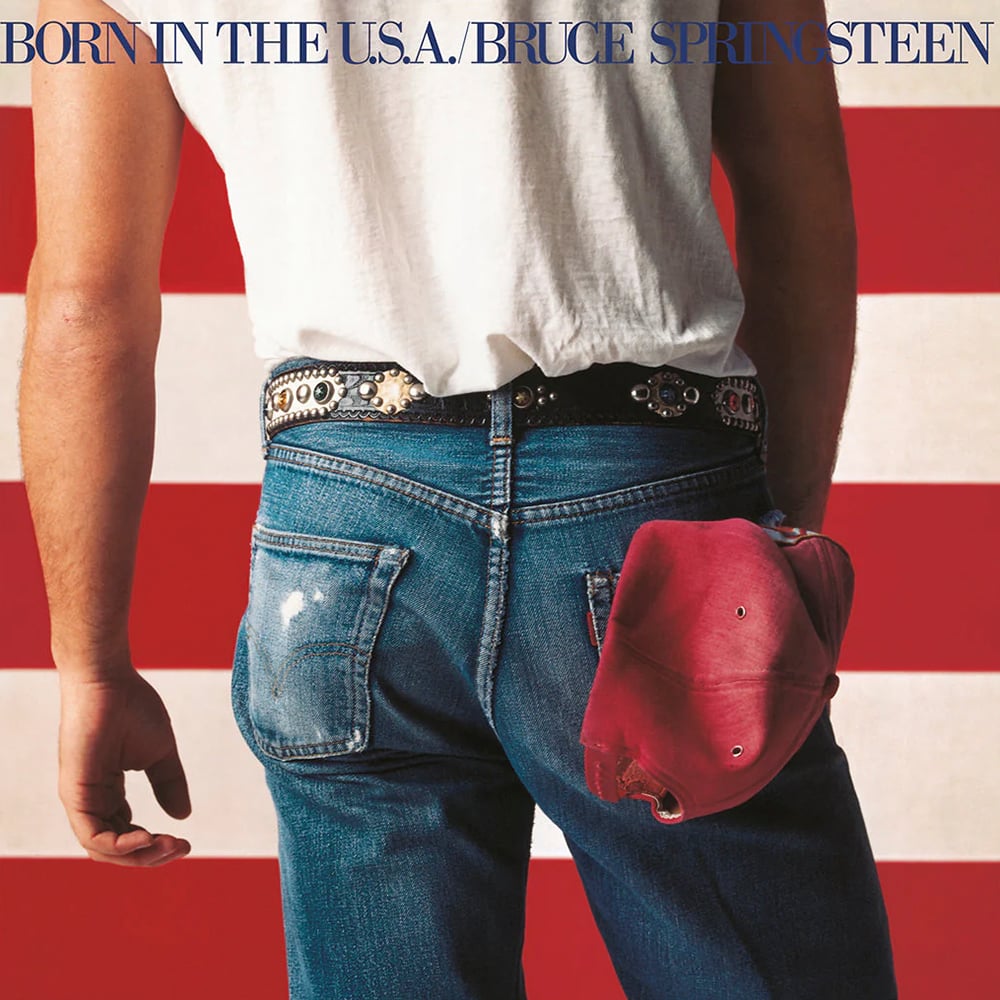
The irony of Nebraska is that during the recording of this dour folk album, a number of songs that would end up on the next album, his pop breakthrough, Born in the USA, were written. A record which saw the best artist of the 1980s suddenly decide to also be the biggest, and it worked, gangbuster. One would assume that there could be no similarities between these sets of songs, yet look a little deeper and you’ll find something even more impressive.
Surprising, absolutely no one, the songs for Nebraska and Born In The USA were both written under a heavy cloud of depression. ‘Dancing in the Dark’ is a perfect example of how to turn these experiences into joyful pop music while also having that darkness at its centre. Despite being one of the most ecstatic tunes of the whole decade, it is an eloquent, affecting depression of that feeling you get when you want nothing except for everything about yourself to be different.
‘Streets of Philadelphia’

By the 1990s, Springsteen had seemingly done everything there was to do in rock ‘n’ roll. He’d been the biggest, the best, the most exciting and had reaped the rewards for all of it. The secret of his success had been providing an authentic voice of the American people, and perhaps the reason for that is that he’d never carried himself like one. He’d rarely needed to write a song self-consciously speaking to the state of the nation, because his ability to speak for himself had resonated so strongly.
Which is why ‘Streets of Philadelphia’ was such a shock. Much like the movie it was written for, the track drew a humanising, desperately sad portrait of a man living with Aids, becoming more and more desperate for human kindness as he’s scorned as a direct result of his diagnosis. After a career spent demonstrating the power of looking within, Springsteen looked beyond. In doing so, he found a brand new way of doing what he’d always done. Finding the people who needed representation most and writing movingly and empathetically for them.
