


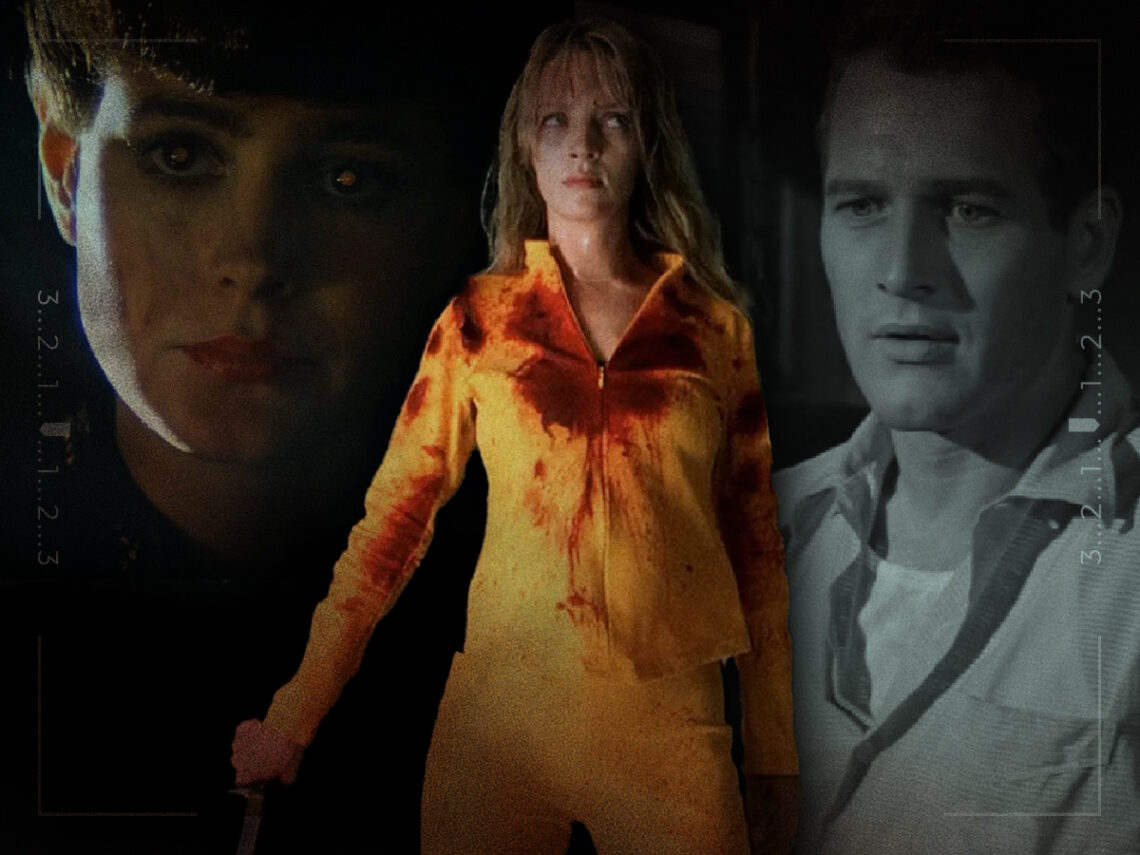
The five best movie duologies

When it comes to the movie business, three really is the magic number.
Trilogies are all the rage and always have been. Sometimes you get the rare quadrilogy, while it’s become more and more acceptable that franchises just go on forever. But what about duologies? The very rare case when a series stops at just two instalments?
Finding enough movies to fill this list was hard. It didn’t help that we were quite strict with the rules. The movies had to be standalone series comprising just two feature film instalments. Stories that are split in two but are part of a larger franchise were discounted, so that meant no Harry Potter, no Godfather, and no Dune.
But there is a caveat to be remembered. Duologies that are part of a franchise but housed within their own continuity do count, though, and we won’t hear any complaining about it, either.
The fact is, every single entry in our list could have gone on to become a trilogy. There’s something sexy about a triple bill, and studios usually see a back-to-back success as a clear invite to make a third, but would these movies have been improved with another edition? It’s unlikely.
Hopefully, this list isn’t immediately out of date by the time you read this. You know what Hollywood is like with sequels.
The five best movie duologies:
‘The Raid’ / ‘The Raid 2’
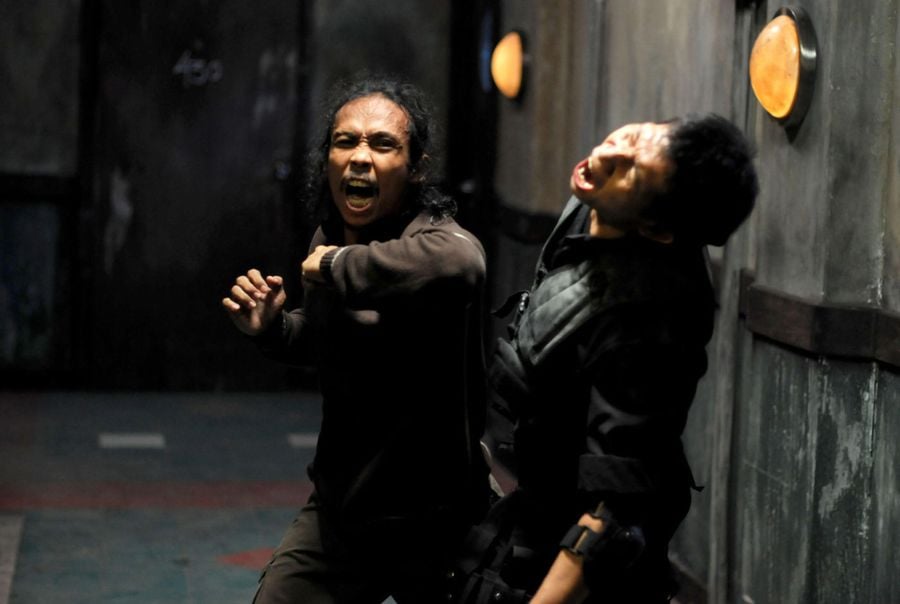
Naturally, the best person to make a film showcasing Indonesian martial arts was a bloke born in South Wales. I’m being facetious. Gareth Evans did a fantastic job with the first of two extra-violent, extra-bloody Indonesian action movies called ‘The Raid’.
The initial movie stars Iko Uwais as Rama, a police officer part of a squad to take down a drug dealer. Things go quickly up shit creek without a paddle as the cops find themselves trapped in an apartment building with no choice but to fight their way up and out. It’s a brilliantly simple concept executed perfectly.
Three years later, Evans revisited Rama’s crimefighting career with The Raid 2. Spoilers for him surviving The Raid, I guess. This time around, he’s going undercover in the local mafia to protect not only his city, but his family, too. While lacking the unique gimmick that set the first film out from the rest, its follow-up is still a fun action romp that provides many Western audiences with an insight into the Indonesian fighting style of pencak silat.
A third film was considered, but ultimately cancelled, leaving these two blistering adventures to stand on their own.
‘The Addams Family’ / ‘Addams Family Values’
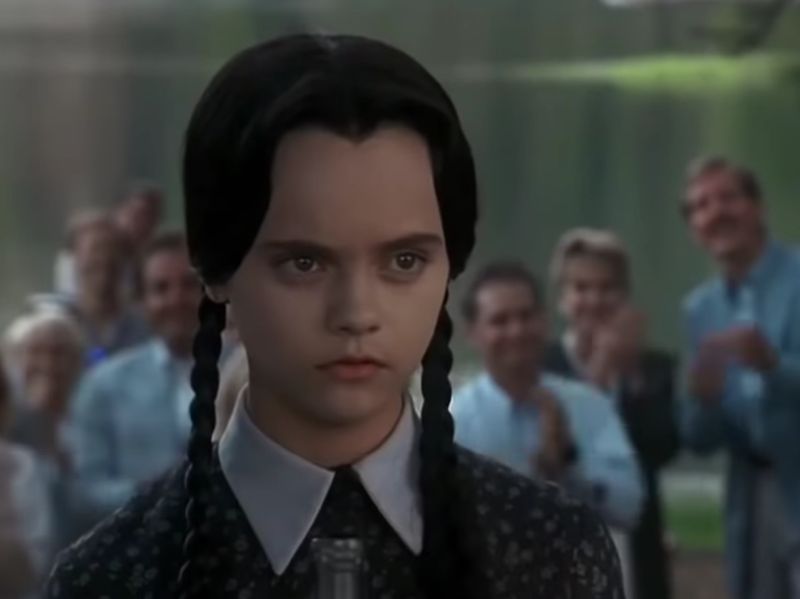
First things first, yes, there is some debate as to whether this entry should be allowed to grace the list. In the early 1990s, in a fearless move in the pursuit of comic camp revelry, director Barry Sonnenfeld brought a classic TV show to the big screen. The Addams Family and Addams Family Values are some of the best examples of casting in movie history. Raul Julia is Gomez. Anjelica Huston is Morticia. Christopher Lloyd is Uncle Fester. Well, actually, he isn’t, but you know what I mean.
These films are funny, entertaining, and strike just the right balance of dark humour and enjoyable family fun. It’s two thumbs up from me… no offence, Thing.
The controversy surrounding this inclusion stems from Addams Family Reunion. Released in 1998, this straight-to-video release is technically part of the same series, but shares almost nothing with its two elder siblings. None of the original cast return – except the guy who plays Lurch and the hand they used for Thing – and Sonnenfield doesn’t direct, instead handing over the reins to Dave Payne. We ultimately decided it was fine because Pubert, the baby born in Values, is nowhere to be found in Reunion, indicating that it is actually a different continuity.
Thank God for that – Reunion sucks.
‘Blade Runner’ / ‘Blade Runner 2049’

The ‘Blade Runner’ series presented a number of challenges when it came to this list. As it stands, there are just two feature films in the franchise – Ridley Scott’s groundbreaking original and Denis Villeneuve’s much-lauded legacy sequel.
There are, however, about a billion other things going on. TV shows, comic books, video games, animations, pencil cases, toilet paper; if you can think of something, there’s a ‘Blade Runner’ version of it. There will almost certainly be another movie in this series at some point, but for now, let’s just focus on the two we’ve got.
Personally speaking, I’m not a massive fan of either ‘Blade Runner’ film. I struggle to get into the world, and the super-cool-and-edgy ‘symbolism’ rubs me up the wrong way. But I wouldn’t be so bold as to write them off completely. The movies are legendary. The first one changed the science fiction game completely and is still influencing filmmakers to this day.
The second was a breath of fresh air and proved that you can pick up a story decades later and not totally drop the ball. Enjoy this duology while it lasts.
‘The Hustler’ / ‘The Color of Money’
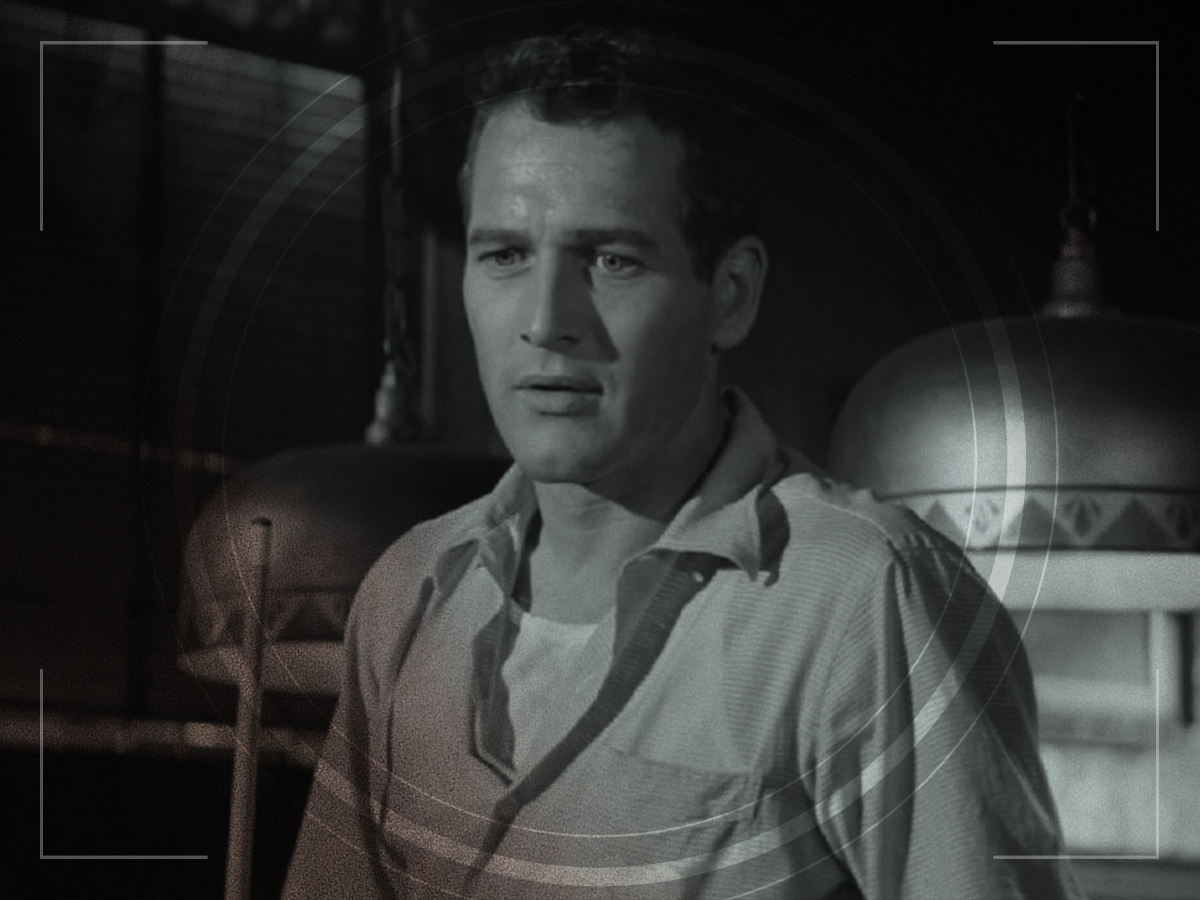
Before legacy sequels were all the rage in Hollywood, Martin Scorsese decided he was going to update a classic movie for the modern age. By ‘the modern age’, I of course mean the 1980s.
A quarter of a century after he first played ‘Fast Eddie’ Felson in The Hustler, Paul Newman picked up his pool cue once again for The Color of Money. The first time around, Eddie was the young buck making his way through life, scamming unsuspecting marks at the pool table. This time, he was the mentor, teaching his ways to Tom Cruise’s Vincent Lauria.
Robert Rossen’s original film was perfect for when it was released. It wasn’t a comedy by any stretch and went to some pretty morally dubious places, but it had that sense of fun that comes with the territory of the early 1960s. Conversely, Scorsese’s version is the ideal update. Newman takes to the elder statesman role with ease, landing his one and only competitive Oscar on the eighth time of asking.
It’s not imperative to see both films – they work independently of each other – but you’d be doing yourself a disservice.
‘Kill Bill: Volume 1’ / ‘Kill Bill: Volume 2’

OK, this one really is cheating.
Quentin Tarantino always intended to release ‘Kill Bill’ as one film. It was only when the runtime came out at over four hours that a split was decided upon. The first ‘volume’ of this tale of revenge, swordplay, and cars with dubious names opens with that iconic monologue.
Uma Thurman driving through the desert, recounting her various woes, before ending with the name of the movie, which also doubles as her mission statement. Cue almost two hours of blood, fighting, more blood, and more fighting.
The second volume is where we learn why The Bride is so intent on ending Bill’s life in graphic detail. Her villainous ex-lover (played superbly by David Carradine) was the one responsible for the blood-spattered scene that left her and her unborn child for dead, as well as the entire wedding party murdered. This all builds to a ridiculous, ultra-violent finale that perfectly captures Tarantino’s love for the samurai and exploitation movies of his youth.
