


From Detroit to Birmingham: The five best covers of Motown classics

Even during an era as expansive, diverse, and culturally rich as the 1960s, nothing quite compared to the all-encompassing power of the Motown sound. Right from its inception in 1959, Berry Gordy’s label had an unshakable grip on the pop and R&B charts of the United States, making household names of stars like Diana Ross, Marvin Gaye, and Stevie Wonder, to name only a handful.
Countless hit singles rose from the studios of Hitsville USA throughout the 1960s, but the impact of the label stretched far and wide beyond its humble beginnings in Detroit.
Barrett Strong’s enduring classic ‘Money (That’s What I Want)’ was the very first hit single to come from Motown (then operating under its original name, Tamla), and the good times kept on rolling from there. With Gordy recruiting some of America’s greatest songwriting talents to the label, in addition to an extensive range of producers and an ever-expanding roster of groundbreaking soul and R&B artists, it is no surprise that the label fostered as many hits as it did. Over 100 top-ten singles were released on Motown between 1961 and 1971, and the influence of the label quickly spread across the globe.
With that expanding influence, particularly after the Motown sound took root in the UK, more and more artists began to take direct inspiration from the sounds of the Detroit label. A deluge of Motown cover versions arose during the peak of the label’s success, with everyone from the Dave Clark Five to Creedence Clearwater Revival having their own crack at the Motown sound. These covers didn’t stop when Motown’s relevance began to decline, either.
Quality songwriting was always at the heart of Motown’s operations, so it is no surprise that the label’s hits continued to resonate with artists and audiences alike for decades after the label faded away from the pop charts. Over the decades, Motown tracks have been rendered in every style from heavy metal to ska, and each cover certainly has its merits.
Nevertheless, we have endeavoured to find the greatest five examples of these Motown covers, and the results speak for themselves.
The five best covers of Motown classics:
The Rolling Stones – ‘Ain’t Too Proud To Beg’ (1974)

When Mick Jagger and the gang first touched down on American soil in 1964, they immediately became entranced by the funk, soul, and R&B sounds dominating the pop charts at that time. In fact, the band owe a lot to the inspiration of Motown, as can be heard on their self-titled debut album, which includes a cover of Marvin Gaye’s ‘Can I Get A Witness’. For this list, however, their 1974 version of the Motown classic ‘Ain’t Too Proud To Beg’ takes some beating.
Originally written by Norman Whitfield and Edward Holland Jr for one of Motown’s flagship outfits, The Temptations, the song topped the R&B charts for eight weeks after its release in 1966. However, the soul-soaked sounds of the Whitfield-Holland composition almost seem naturally suited to The Rolling Stones, who rendered the anthem in their distinctive rock style, earning themselves a spot at 17 in the US pop charts in the process.
The Beat – ‘Tears Of A Clown’ (1979)
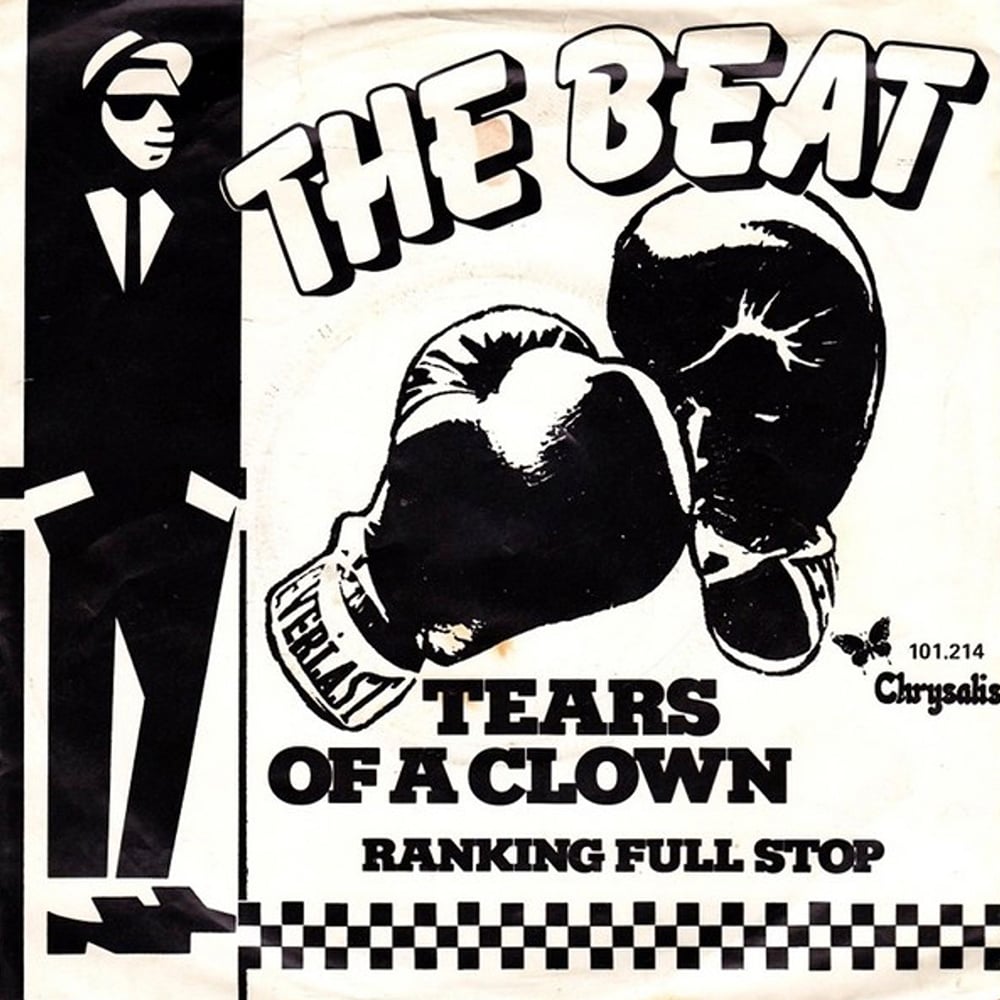
Speaking to the enduring influence of Motown, and the unshakable energy encased on those classic records, a track originally recorded by Smokey Robinson and the Miracles in 1967 reentered the charts over a decade later, when 2 Tone ska heroes The Beat recorded their own version. Released in 1979 as a double-A side single with ‘Ranking Full Stop’, the song provided The Beat with their debut single on 2 Tone, establishing the Birmingham band among the leaders of the ska revolution occurring at that time.
Built upon ideals of racial unity through music, the inherent manifesto of 2 Tone wasn’t a million miles away from the attitudes of Motown back in the 1960s, which is perhaps why this cover works so well. With an instrumental originally written by a young Stevie Wonder and lyrics from Smokey Robinson, the song was always going to be a success, but The Beat managed to add entirely new layers to its appeal by speeding things up and introducing that distinctive Caribbean rhythm.
The Beatles – ‘You Really Got A Hold on Me’ (1963)
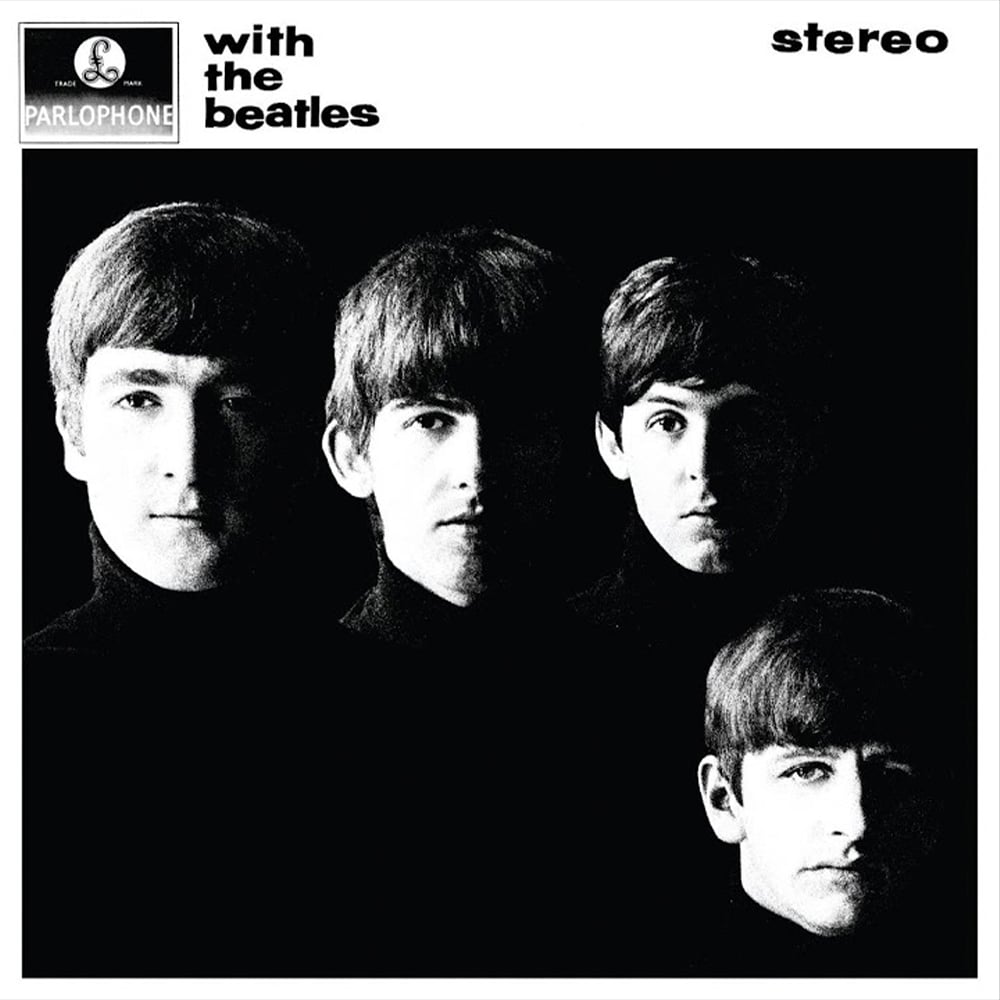
It didn’t take long for Motown to become the defining sound of the pop charts in America, but the label initially struggled to take root on the other side of the Atlantic. Aside from certain soul appreciators within the mod subculture, there wasn’t much interest in the sounds of Detroit until The Beatles began to adopt its distinctive sound. Much like The Rolling Stones, The Beatles took a lot of inspiration from American soul, and they chose to cover three different Motown tracks on their 1963 record With The Beatles.
Berry Gordy reportedly offered the Fab Four a reduced rate to cover the track, in the hopes that their cover would alert more Britons to the sounds of Motown. Whether that worked out for Gordy or not, the three Motown covers recorded by The Beatles are all highlights of the band’s early material. ‘You Really Got A Hold On Me’, originally written by Smokey Robinson and reaching eight in the US singles chart in 1962, is the stand-out of the band’s Motown covers, influencing the band’s songwriting sensibilities going forward, and arguably eclipsing the original version.
Dusty Springfield – ‘Can I Get A Witness’ (1964)
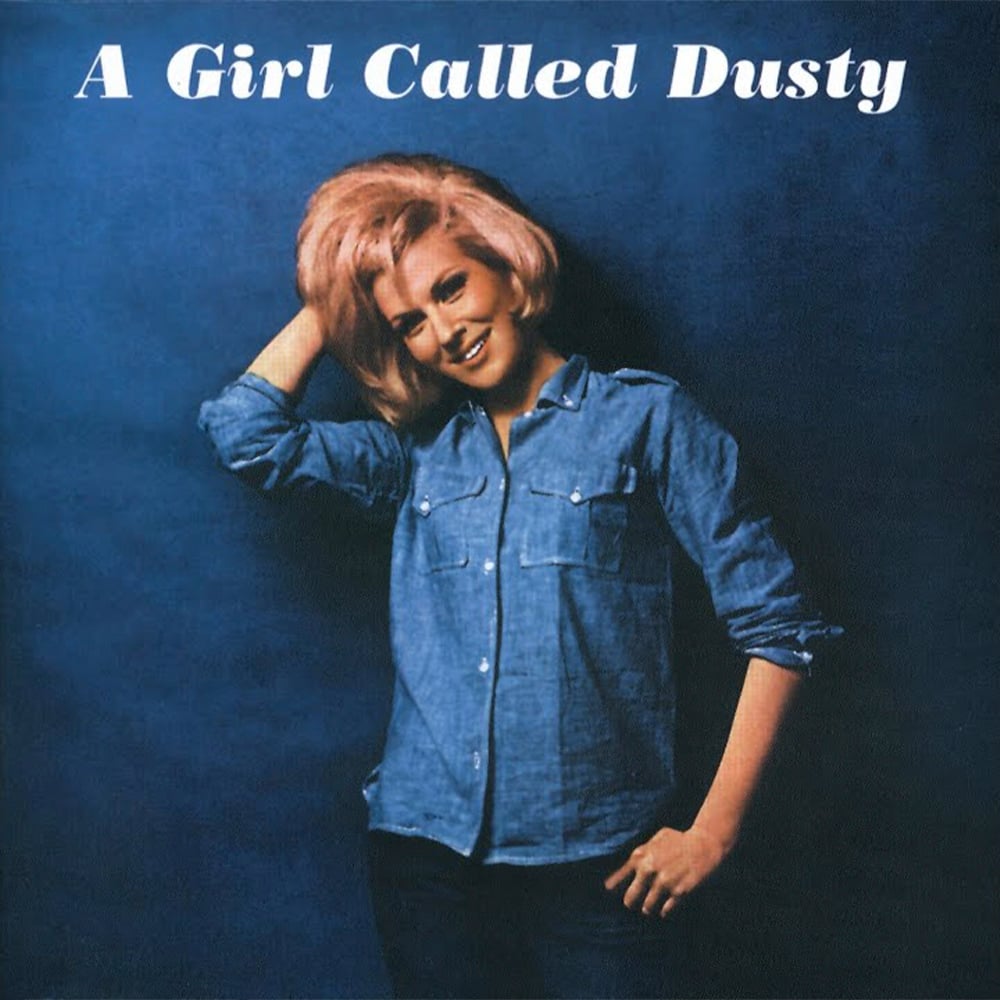
Another artist who was essential in establishing the Motown sound on the shores of the United Kingdom was the queen of blue-eyed soul herself, Dusty Springfield. An early appreciator of Berry Gordy’s label, Springfield hosted a multitude of Motown artists on one episode of Ready, Steady, Go, and routinely tried to evoke the same soulful power in her own work. Her 1964 cover of ‘Can I Get A Witness’, first recorded by Marvin Gaye the year prior, is a notable highlight within the vocalist’s repertoire.
With the unparalleled songwriting prowess of Holland-Dozier-Holland behind it, Gaye recorded the track in one take, and it went on to reach number 22 in the US singles chart at the time. The song also struck a chord with the mod dance clubs springing up around London and northern England at the time, which is likely how Springfield became exposed to the incredible song. Her typically powerful vocal performance and emotive quality suited the song perfectly, and, although it’s difficult to top Marvin Gaye, Dusty Springfield came about as close as anybody could get.
The Slits – ‘I Heard It Through The Grapevine’ (1979)

On the complete opposite end of the spectrum from Dusty Springfield’s cover of Marvin Gaye, post-punk pioneers The Slits recorded their own interpretation of the king of Motown in 1979. ‘I Heard It Through The Grapevine’ was first released by Gladys Knight and the Pips in 1967, but it was Gaye’s recording the following year that became the definitive version of the Barrett Strong-Norman Whitfield anthem. A multitude of other artists have covered the song over the years, including a particularly good version by Creedence Clearwater Revival. However, nobody transformed the song quite like The Slits.
Featured on the band’s masterpiece debut album, Cut, as well as being the B-side to the band’s defining single ‘Typical Girls’, the London punk outfit’s rendition of the Motown classic takes the song in a much moodier direction, thanks to the infectious yet often unnerving vocal performance of Ari Up. The Slits manage to balance a respect for the source material with a desire to completely transform the mood of the original, and that heavy dub-influenced bassline could earn the cover a place on this list in its own right.
