


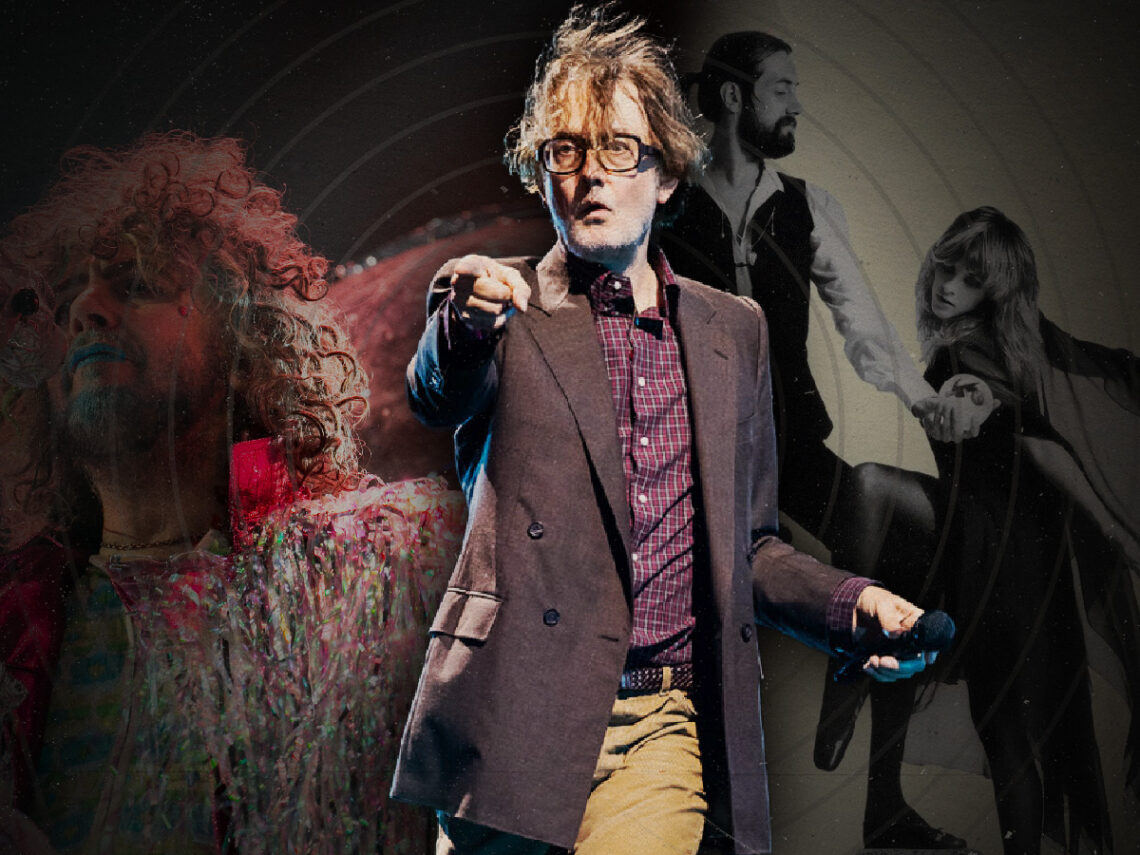
Five bands who were around much longer than you think

Every single big-name artist in the rock and pop canon can count a string of school bands and awkward projects long before fame came a callin’.
Be it Saul Adamczewski’s pre-gutter punk efforts with Fat White Family in the peppy indie outfit The Metros or melancholic pop queen Lana Del Rey’s more indie-leaning Lizzy Grant persona before Born to Die’s explosion, every artist charts a course of evolution, figuring out who they are as much as anyone else does across their teens and 20s.
Yet, such artistic development can take place under the same moniker. With pop’s rapidly shifting terrain, years of lukewarm album drops and eternal dingy venue shows can push a band to the breaking point, typically abandoning the whole rock gig and making peace with their minor footnote of music’s exhaustive vault of curios and pub trivia.
Yet, some hang on. Whether it’s finding an underground pedigree before the world aligns and showers you with commercial success, or the dumb luck of finding your perennially rejected little band suddenly presaging a zeitgeist and being launched to the front pages of Smash Hits, we take a look at music’s heavyweights who were already seasoned veterans of the business long before their big break.
Five bands who were around much longer than you think:
Underworld

It was a visionary sound that seemingly came from nowhere. Presciently soaking up the increasing convergence of UK dance music and the alternative world, Underworld’s atmospheric techno and shimmering house-psych evoked the heady spirit of the rave culture and injected some cerebral, lyrical fodder in Karl Hyde and Rick Smith’s surrealist, freeform electronic songcraft. Turning heads with 1992’s Dubnobasswithmyheadman, Underworld’s immortal ‘Born Slippy (Nuxx)’ would stand as one of the essential songs of the decade.
Hyde and Smith had been manoeuvring music’s fringes since the new wavey Freur, even signing to CBS and issuing an album in 1983. Adopting the Underworld moniker in 1987, the pair cut two pop records more indebted to funk and synthpop than the acid house club tunes to follow, a miserable supporting slot on The Eurhythmics tour prompting some creative soul searching.
“We realised we were a band trapped in the body of another band,” Hyde told The Guardian in 2014. “We were denying what we were”. Underworld’s true calling would come, but not before a teething process yielding material left off their 1992–2002 compilation.
Fleetwood Mac

One of the mammoth sellers of the 1970s blockbuster album era, the perennial soap opera known as Fleetwood Mac would perfect the emotive pop-rock formula for Rumours’ global conquer, still to this day the eighth biggest selling album of all time. Fuelled by cocaine and infidelity, the classic Fleetwood Mac ensemble would coast through the following decade as one of the era’s commercial heavyweights, 1987’s Tango in the Night similarly raking in shedloads.
Long before the Stevie Nicks and Lindsay Buckingham chapter, however, Fleetwood Mac was a strictly bluesy jam band formed a whole ten years before the Rumours soft rock Billboard behemoth. While band long timers Mick Fleetwood and John McVie had been on respective drums and bass since the beginning – and gifted the band their name by fusing surnames – Fleetwood Mac was originally founded and headed by former Bluesbreaker Peter Green.
After his departure in 1970, Fleetwood Mac trundled across a lengthy transition era before settling on the established line-up, releasing another seven albums before cracking the pop charts on 1975’s Fleetwood Mac renewal.
Pantera

After nearly a decade of big hair metal at its most glossiest and silly, the early 1990s saw an explosion of heavy metal bands that hurtled straight toward a deeper, harder, and more bruising guitar bludgeon that found them enjoying chart success in the broad orbit of the US alternative explosion spearheaded by grunge. Alongside Metallica and Sepultura was Pantera, wielding a thick and hefty groove, burnishing 1992’s Vulgar Display of Power as a gem of the era.
Pantera had been slogging it through the metal circuit as early as 1981, however. Originally fronted by Terry Glaze, Pantera were supporting the likes of Stryper and Quiet Riot as core members of glam metal’s dark days. With Phil Anselmo joining for vocal duties on 1988’s Power Metal, a fiercer, less hairsprayed sound would realise itself on 1990’s Cowboys From Hell, indeed, the record Pantera consider their first ‘official’ album, with all prior material largely absent from streaming services and authorised back-catalogues.
The Flaming Lips
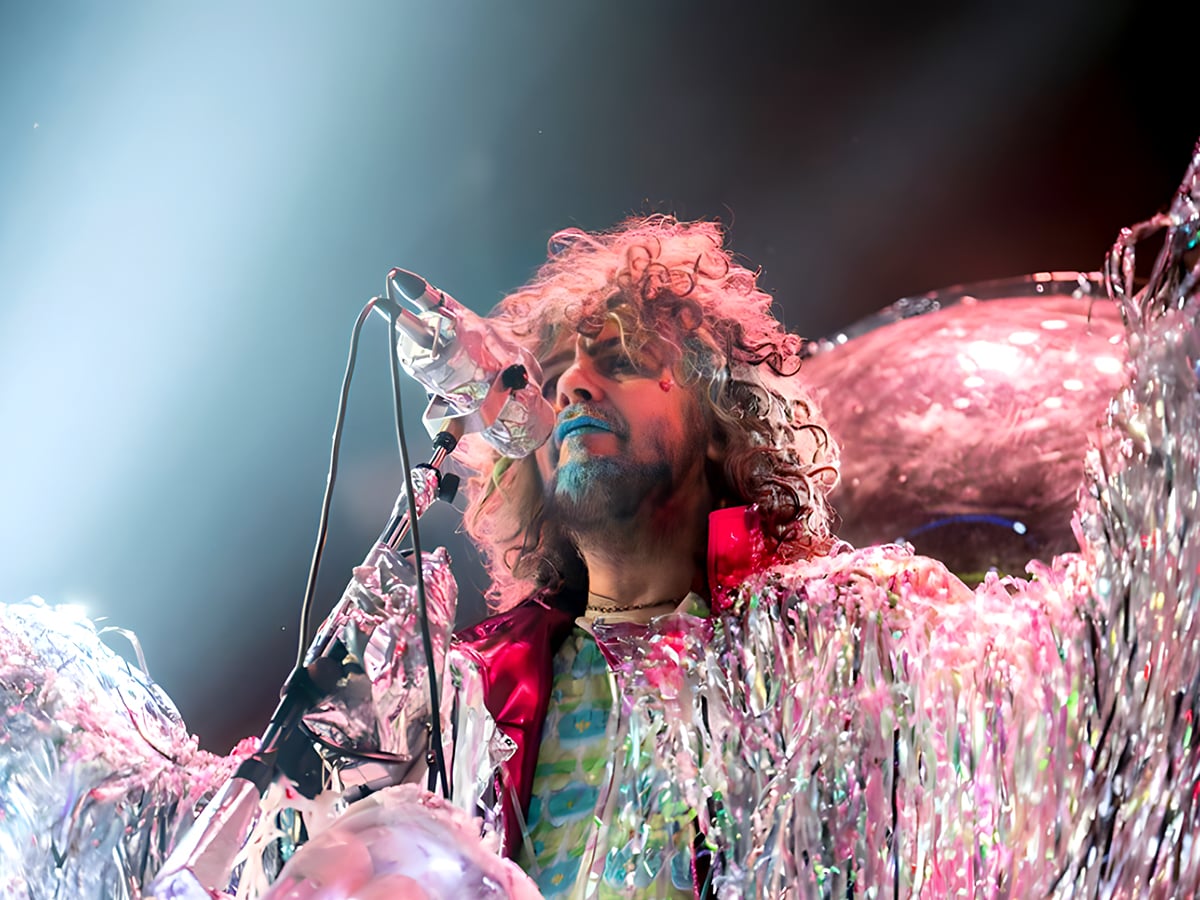
Oklahoma City’s The Flaming Lips have grown into one of music’s biggest spectacles, famed for their transportive live shows and positive charge of communal fellowship coursing between the band and the crowd. For many, enigmatic frontman Wayne Coyne was one of the more colourful forces of the 2000s alternative world; he and his Flaming Lips conjured lush and sweeping kaleidoscopic anthems following the mammoth success of 2002’s Yoshimi Battles the Pink Robots.
The Flaming Lips have lots of surprising preceding history. To the former alternative 1990s kid, Coyne was fronting an infinitely more acid-soaked gaggle of psychedelic mischief-makers, touring with the likes of the Butthole Surfers long before collaborations with Miley Cyrus. Yet, before even their Lollapalooza heyday, The Flaming Lips were dropping records since 1984, an infinitely more scuzzier punk attack featuring Coyne’s younger brother Mark on vocals for their initial eponymous EP.
Pulp
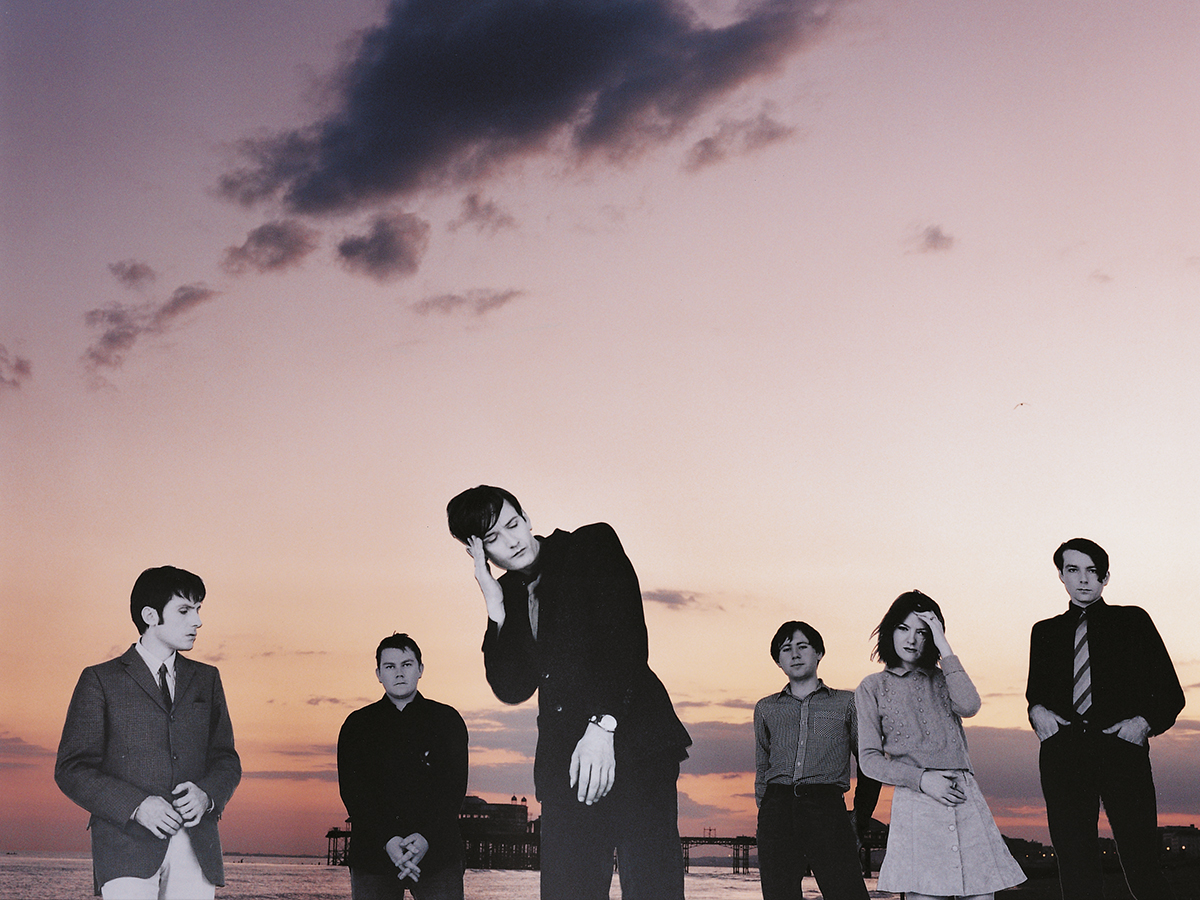
At Britpop’s mid-1990s zenith, Jarvis Cocker found himself thrust to the fore of the UK’s bolshy cultural reawakening, rubbing shoulder to shoulders with the likes of Blur and Oasis as a key character of the day’s Top of the Pops landscape. He wasn’t just penning good tunes, but Cocker’s Pulp positively bottled the era’s zingy milieu while forging an identity entirely their own, casting pitch-perfect lyrical observations on class and social quirks through the lens of his heavily ‘unladdy’, gangly frontman persona.
Such catapulting to pop’s golden ranks came after as much as 15 years soldiering on through lacklustre album sales and frustrating career stasis. Pulp’s roots were in Sheffield as early as 1978, Cocker leading the band in a spiky new wave direction somewhat tethered to the city’s electronic scene, later pursuing a more indie folk lean for 1983’s debut It. Several albums would follow until finally tasting a hint of chart success on 1994’s His ‘n’ Hers, before transforming to an overnight national treasure the next year on Pulp’s defining Different Class.
