


Five albums that could make you hate an artist’s entire discography

Music can be a tricky business. From a consumer point of view, it looks like a pretty good life. We look at The Beatles, The Rolling Stones and The Who, see them travel all around the world, drinking, partying and performing in front of thousands, and think, ‘Yeah, that looks like a pretty decent life’. It most likely is, but that’s not to say there aren’t some tricky situations that bands and artists find themselves in.
You wouldn’t think that one bad album in an artist’s career would be all bad. Sure, they happen, but we all mess up at work occasionally; it doesn’t mean we get fired and never work again because of said mess-ups. For the most part, bad albums are glossed over and moved on from, but there are some records that we simply aren’t willing to look past.
Nobody is immune to having an album ruin their entire career. It tends to go beyond just sound, as while that’s obviously an important factor within music, so are image and ethos. When a band or artist makes an album that goes against what they have shown they believe in and what fans have been able to connect with, it holds question marks over everything they’ve ever made.
These records can sometimes ruin an artist’s discography, which can be hard to recover from. Here is a list of terrible albums that can make you look at somebody’s body of work differently.
Albums that could make you hate an artist’s entire discography:
David Bowie – Tonight
The thing that makes David Bowie such a timeless and legendary artist is his unwillingness to go with the status quo. Bowie was always happy putting forward outlandish ideas that many label executives turned their noses up at but that he thought would work. It was these ideas, concepts, and willingness to switch in style that made him unique.
In that sense, Tonight, as well as not being a great album seems to somewhat detract from David Bowie as an artist. It was the next album to be released following his commercial hit, Let’s Dance. It’s blatantly obvious that with this record, Bowie wants to hit similar numbers and retain this new fanbase. In doing so, he dismissed creative endeavour and set out to make the same album again. It wasn’t the work of the Bowie that people knew and loved and put his whole catalogue into question.
U2 – Songs of Innocence
Regardless of your opinion on U2, it is commendable that they have always been willing to try new things as a band. This usually means dabbling in various genres; however, in 2014, they tried a new form of marketing, as their album was uploaded onto every person in the world’s iPhone for free. What was supposed to be a supposedly selfless act was seen as both an invasion of privacy and a diminishing of music as an art form.
Sharon Osbourne voiced the opinion of many music lovers when she spoke about U2 and their free album stunt. “U2 are business moguls, not musicians anymore,” she tweeted. “No wonder you have to give your mediocre music away for free because no one wants to buy it.”
Chance The Rapper – The Big Day
While his style of music might not be in the same vein as The Rolling Stones and Sex Pistols, Chance The Rapper’s rise to fame was equally as impressive. As an artist from a different era, Chance used new means of writing, recording and publishing to his advantage; for his first few albums, Acid Rap and Colour Book, he released them independently and relied on the low cost of the internet as a means of selling the album. This worked tremendously, as Chance cemented himself as a headline act and was the first ever unsigned artist to win a Grammy.
He then signed to a label. This wasn’t met with trepidation, he had proven himself to be a success, so any label that signed him would be happy to lend him creative freedom given the formula was tried and tested. It seemed, however, that increased access to resources went to the rapper’s head, as his album, The Big Day, was one of the most overproduced, loose concepts for a rap album ever. It’s a horrible, lacklustre album to listen to and one that saw Chance’s reputation change almost overnight.
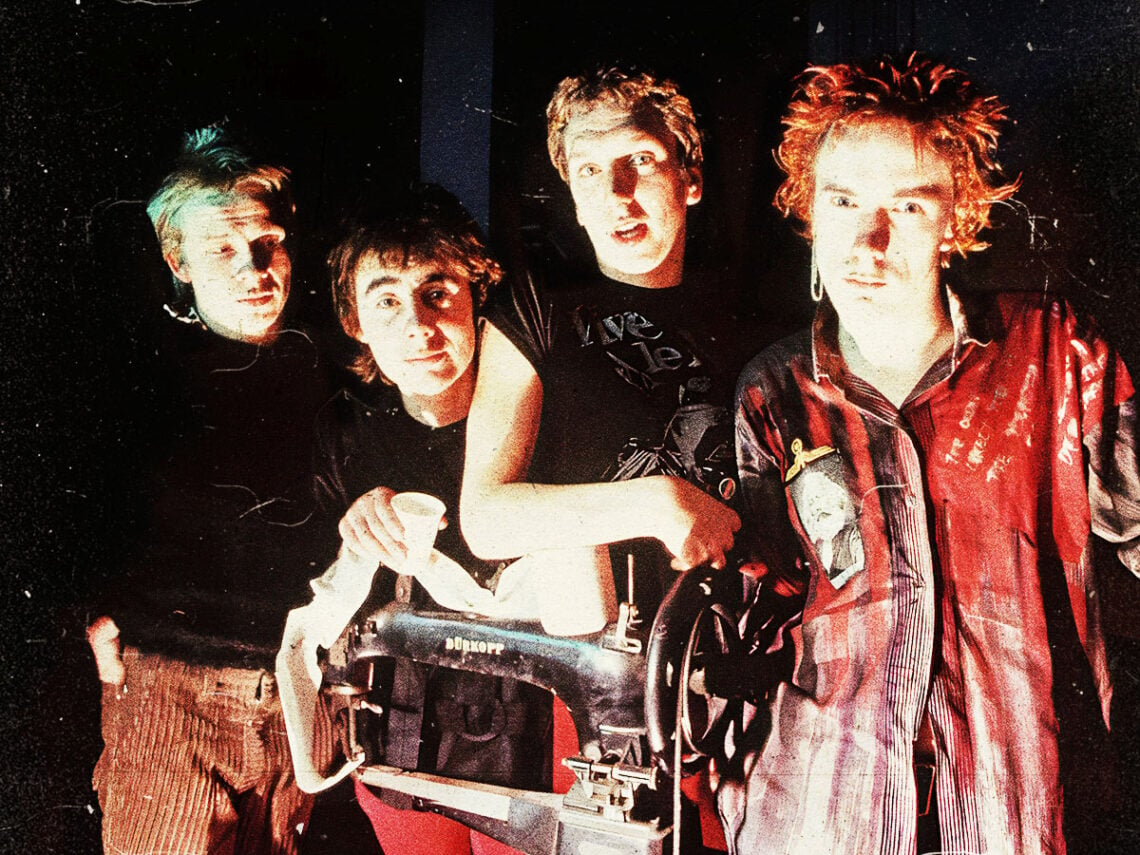
Sex Pistols – The Great Rock ‘n’ Roll Swindle
Sex Pistols are more than a band, they are a moment in time. They helped define an entire movement, as their pulling-no-punches approach to music was the driving force that gave the world punk. Their album, Never Mind The Bollocks, Here’s The Sex Pistols, is a revolution pressed on wax, but its legacy was tainted thanks to the actions of their manager, Malcolm McLaren, and their second album, The Great Rock ‘n’ Roll Swindle.
While it wasn’t technically an album but instead a soundtrack to their movie of the same title, McLaren put it on wax and tried to sell it as a double LP. The trouble he had was that John Lydon had left the band by this point, so he had no singer to record the music. He ended up using old recordings taken from when the band was recording their debut and put together a haphazard LP. The album leaves a cash-grabbing stain on punk pioneers.
The Rolling Stones – Their Satanic Majesties Request
The Beatles and The Rolling Stones both shot to success at a similar time. The Rolling Stones were billed as the antithesis of the well-dressed, cheeky, loveable four-piece, as Andrew Loog Oldham had the band lean into their image of lovers of sex, drugs, and, of course, rock ‘n’ roll. No doubt there was originality there, as The Rolling Stones took the classic R&B sound and enhanced it; however, they ruined that sense of originality with their record Their Satanic Majesties Request.
When The Beatles released Sgt Pepper’s Lonely Hearts Club Band, it changed music, as the parameters for a concept album were clearly laid out, and many other bands tried to emulate their style. The Stones essentially made a sequel to the album with Their Satanic Majesties Request, which ruined their image as being a band separate from The Beatles. The influence was blatant, and it made listening to all The Rolling Stones material that came before difficult.
