


Five actors who won Oscars for basically playing themselves

Some actors go to some pretty extreme lengths to win at the Academy Awards.
Robert De Niro lost a crazy amount of weight to play Jake LaMotta in Raging Bull, Daniel Day-Lewis’ three ‘Best Actor’ victories came with the help of his trademark method techniques, and Meryl Streep had to put up with the indignity of pretending to be Margaret Thatcher. Oh, the humanity!
Sometimes, though, it’s a lot easier than staying in a wheelchair all the time or putting on a blue pantsuit. Sometimes, an actor can basically waltz onto a set, change nothing about themselves, and take home the biggest prize in the industry.
For clarity, we’re not saying that these performers didn’t do any work in their Oscar-winning roles. Obviously, a great deal of preparation went into bringing each and every one of these parts to life; we’re merely pointing out how similar they are to the actors’ off-screen personalities.
Do we think all these victories were deserved? On the advice of our legal team, I’m going to say yes and move on quickly.
Five actors who played themselves to an Oscar win:
Kieran Culkin – ‘A Real Pain’ (Jesse Eisenberg, 2024)
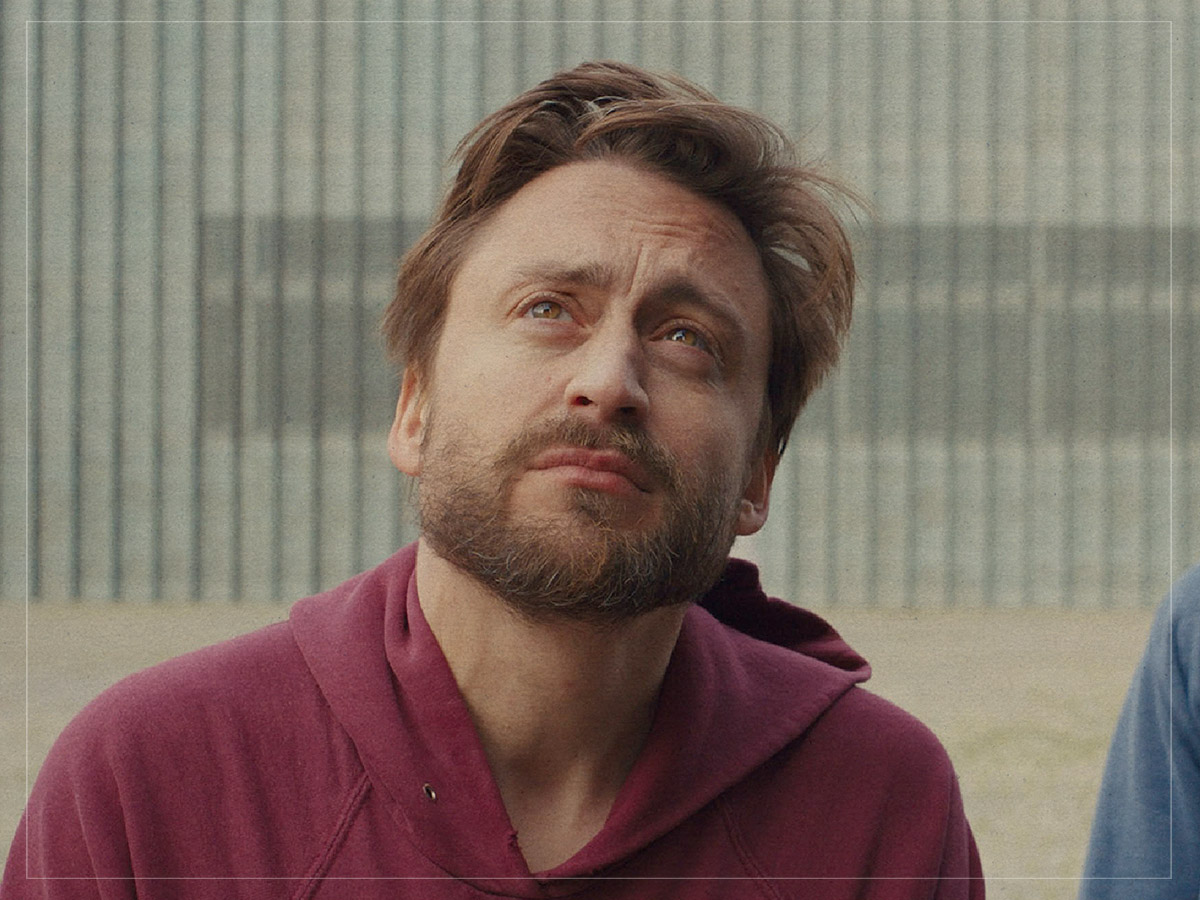
When the 2025 awards season rolled around, anyone who was nominated in a ‘Best Supporting Actor’ category not named Kieran Culkin might as well have not bothered.
The former child star cleaned house that year. He won prizes at the Critics’ Choice Awards, the Golden Globes, the SAGs, the Baftas, and, most importantly, the Oscars. Beating out tough competition from Guy Pearce and Jeremy Strong, Culkin took home the prize and gave a hell of a speech, too.
The role that landed him the golden statuette was Benjamin ‘Benji’ Caplan in Jesse Eisenberg’s sophomore feature, A Real Pain. He starred opposite his director as his cousin, an intensely annoying, socially awkward, yet ultimately well-meaning dork. This isn’t a million miles away from Culkin’s role as Roman Roy in Succession or, as it turns out, his genuine personality. He even found a way to incorporate his love of professional wrestling into the character.
It feels a bit mean to compare Culkin to Benji, given how irritating the character can be, but he’s a good guy at heart, and that’s the entire point of the movie. Also, he won every acting prize under the sun, so he probably couldn’t give a hoot what we call him.
Brad Pitt – ‘Once Upon a Time in Hollywood’ (Quentin Tarantino, 2019)
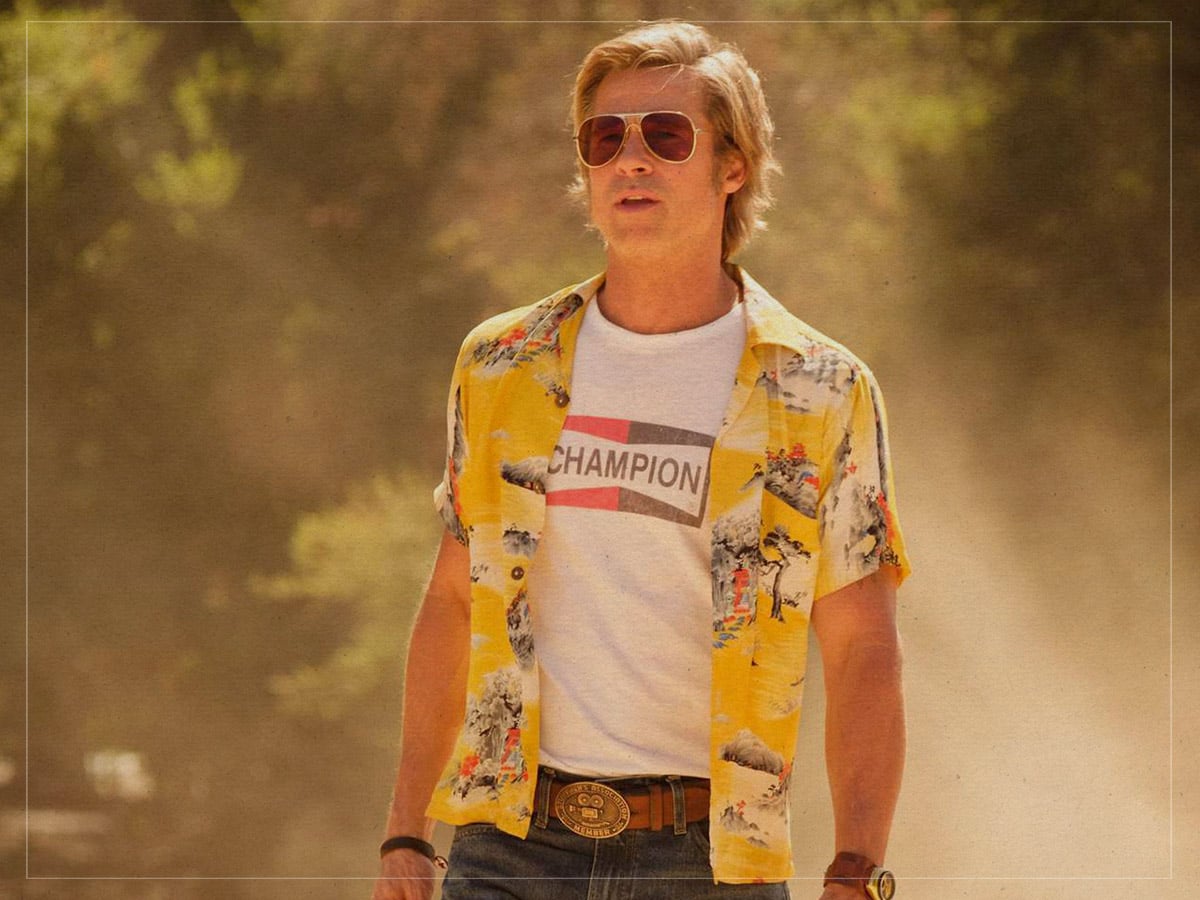
It’s crazy to think that, after he was first nominated in 1996, it took Brad Pitt another 24 years to finally win that top acting prize. He’d technically won at the Oscars prior to this—as a producer, he was entitled to a share of 12 Years a Slave’s ‘Best Picture’ trophy—but he wouldn’t be recognised for his main gig until Quentin Tarantino came along.
The director cast him alongside Leonardo DiCaprio in his (at the time of writing) most recent outing, Once Upon a Time in Hollywood. For his work as Cliff Booth, Pitt picked up the ‘Best Supporting Actor’ gong in 2020, beating out the likes of Al Pacino and Tom Hanks.
Pitt was specifically scouted by Tarantino for this part. Booth, a stuntman working in Tinseltown in the dying days of the 1960s, is a tough, charming, smooth-as-silk celebrity who is just as talented with his words as he is with his fists. If this isn’t Pitt himself, it’s certainly a good description of his public persona. Booth’s quiet confidence that an ever-changing Hollywood will always need him feels more like the real Brad. Even as he enters his sixth decade, Pitt is still landing starring roles and feels as relevant as ever.
John Wayne – ‘True Grit’ (Henry Hathaway, 1969)

By 1970, the Oscars were running out of chances to reward John Wayne.
He’d been around for a long time and had already been diagnosed with cancer once, the disease that would ultimately kill him. A win looked bleak until he played arguably his most famous character. ‘The Duke’ starred as Reuben ‘Rooster’ Cogburn in Henry Hathaway’s classic western True Grit. The eyepatch-wearing US Marshal instantly became a pop culture sensation and, when the Academy Awards rolled around, Wayne finally got to take home a prize the third time asking.
While Cogburn is seen as one of Wayne’s more complex roles, he still has a lot in common with the legendary gunslinger. An ageing hero with near-mythological status but more than a few skeletons in his closet; this description fits both the fictional character and the real-life man to a tee. By trying to get away from his usual clean-as-sheet parts, Wayne accidentally drifted into a persona that wasn’t a million miles away from his own. Quite apt that this should be the one to bring home the big one.
Michelle Yeoh – ‘Everything Everywhere All at Once’ (Daniel Scheinert, Daniel Kwan, 2022)

When Michelle Yeoh became the first woman of Southeast Asian descent to be named ‘Best Actress’, it capped off a remarkable journey that is worthy of a movie in its own right.
Yeoh was cast in Daniel Kwan and Daniel Scheinert’s (collectively known as ‘The Daniels’) mind-bending multiverse epic Everything Everywhere All at Once. She plays Evelyn Wong, an immigrant woman whose lacklustre life leads her down a path of self-discovery and madcap adventure. The film blew everyone away upon its release and cleaned up nicely at the Oscars. It won three of its cast members acting prizes and even scooped the coveted ‘Best Picture’ award.
Part of what makes Everything Everywhere so compelling is how closely it mirrors Yeoh’s story. Daniels specifically wanted her to lead the film after changing the protagonist’s gender to female (Jackie Chan had originally been envisioned), and they did a great job in capturing her essence onscreen.
One of the many Evelyns we see across the multiverse is a successful martial artist and movie star, which speaks for itself. However, the plight of the main version of the character speaks to Yeoh’s own daunting experiences as a foreigner living and working in America.
Nicolas Cage – ‘Leaving Las Vegas’ (Mike Figgis, 1995)
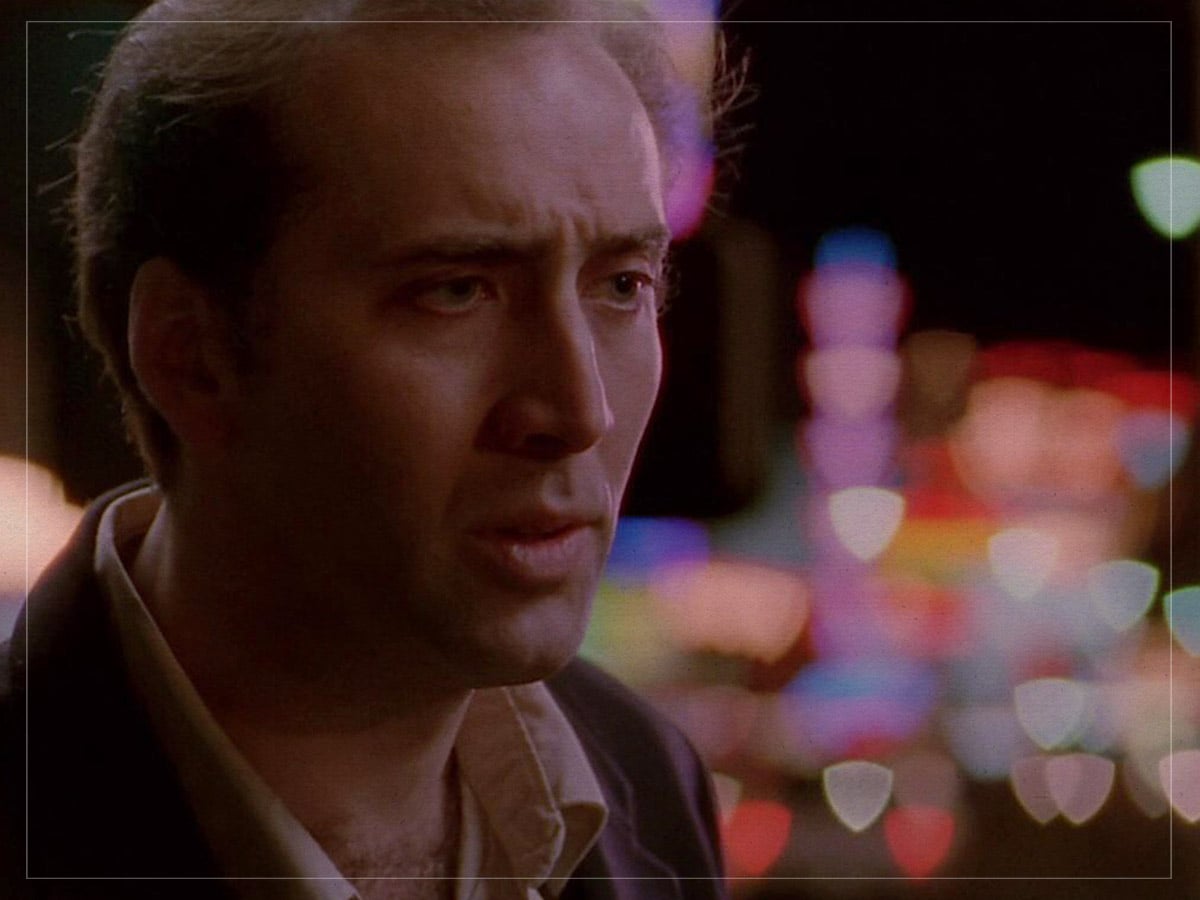
When you’ve literally played yourself in a movie, it’s hard to apply the term to any other project. However, as noted elsewhere, Nicolas Cage was bringing a piece of himself to the screen long before he starred in The Unbearable Weight of Massive Talent.
The much-loved actor is known for his wild performance style, which is informed by his equally bonkers personal life. You can find traces of ‘Saint Nic’ in movies as grounded as Norman Jewison’s Moonstruck and as outlandish as Robert Bierman’s Vampire’s Kiss. However, the only time this technique ever bagged him the top honour was 1995’s Leaving Las Vegas.
Directed by Mike Figgis, the movie drops Cage into the titular city as the traumatised alcoholic Ben Sanderson. The character calls for a somewhat unhinged performance; Sanderson’s grand plan is to drive to Las Vegas and drink himself to death.
While we’re not saying Cage has a drinking problem, the erratic behaviour induced by the booze plays right into his strengths. Also, Cage has admitted that he would videotape himself blind drunk to get into character, so he really wasn’t that far removed from the role as he was playing it. Please don’t try that at home, though.
