


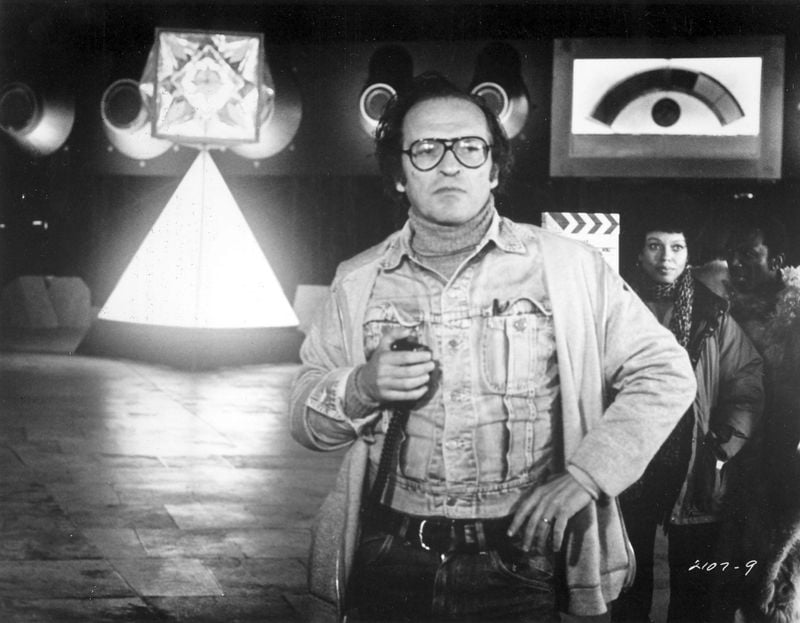
The first film to have a “great impact” on Sidney Lumet

Sidney Lumet is widely regarded as one of the greatest American filmmakers of the 20th century. Known for his unforgettable masterpieces such as 12 Angry Men and Dog Day Afternoon, Lumet’s films often served as incisive critiques of the dominant sociopolitical structures in America as well as prevalent cultural phenomenons.
Described by Roger Ebert as “one of the finest craftsmen and warmest humanitarians among all film directors”, Lumet’s cinema has inspired generations of young filmmakers. While his directorial approach was interesting, the most important element of Lumet’s art was his blistering screenwriting abilities.
Over the years, Lumet has cited multiple visionaries, including the likes of Stanley Kubrick and Ingmar Bergman, as sources of inspiration. A true student of world cinema, Lumet was deeply moved by the works of pioneers such as Akira Kurosawa, Federico Fellini and Jean Vigo, among other important figures.
While discussing the cinematic masterpieces that have influenced his own cinematic journey, the American director singled out one classic from the 1940s as the first film to make him realise the power of cinema. According to Lumet, that film was none other than Carol Reed’s 1947 film noir Odd Man Out.
“The first film that had a great impact on me and I feel I’m always trying to copy is Carol Reed’s Odd Man Out,” Lumet revealed in an interview while talking about the film. “The whole atmosphere, strangely enough, resembles very much my childhood city of Krakow, with the change of seasons that can happen in one day.”
Based on the eponymous novel by F.L. Green, Odd Man Out is set in Northern Ireland and revolves around a leader of the Nationalist Party who is hunted by the police after a robbery. While Reed is primarily known for The Third Man, other directors such as Roman Polanski have insisted that Odd Man Out is Reed’s greatest work.
Lumet added: “That atmosphere seduced me, and then I thought of the acting, of the photography. And then I realised much later that there was something.” With time, he realised that the thing he couldn’t place his finger on was the essence of cinematic magic that is present in almost all cinematic masterpieces.
