


How ‘Final Fantasy: The Spirits Within’ changed cinema forever

Ever since Walt Disney first conceived the idea of bringing animated cartoons to a mass audience, the world of cinema has forever been altered in the course of bringing our wildest fantasies to life. While Disney and a few of his predecessors are credited with such wonder, cinematic animation‘s journey took a giant leap around the turn of the millennium with the advent of new technology like motion capture.
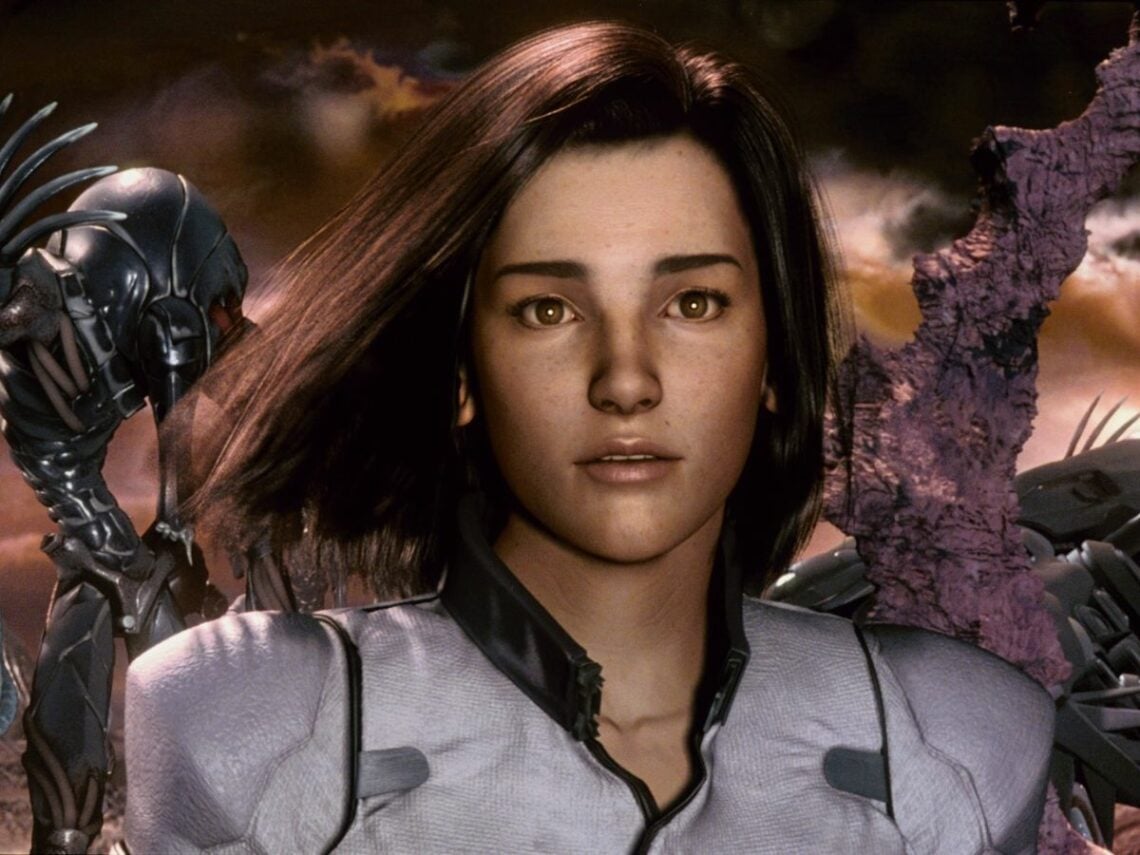
One film that employed the use of computer-assisted animation to great effect was the 2002 film Final Fantasy: The Spirits Within. Prior to the release of Prince of Persia: Sands of Time in 2010, the Final Fantasy film was the most expensive video game-inspired movie of all time. However, its defining feature was that it was the first truly photorealistic computer-animated feature film.
Of course, photorealism in animation nowadays is ten a penny, but all great things must take their root somewhere, and Final Fantasy: The Spirits Within ought to be given its due credit. Narratively, the film focuses on two scientists, Aki Ross and Doctor Sid, and their post-apocalyptic attempt to emancipate the human race from the Phantoms, an alien race who have driven humans into “barrier cities”.
Meanwhile, General Hein wants to take a less subtle approach to the problem, and go after the Phantoms with nothing but firepower, so Sid and Aki have him to contend with too. The film featured an excellent voice cast from the likes of Ming-Na Wen, Alec Baldwin, Donald Sutherland, James Woods and Steve Buscemi, amongst others.
So the plot is largely typical for a Final Fantasy adaptation or any Japanese role-playing game for that matter. But that was not what drew plaudits to the film; in fact, most critics were rather ambivalent of its storyline. The most admirable thing about The Spirits Within was that audiences were finally treated to an animated feature that just about bordered on reality. Remember, this was back in 2002 when other animated films could only dream of aiming to use motion capture to such a degree that the end product could even remotely resemble real life. In fact, producer Chris Lee once compared The Spirits Within to the famous Disney film Snow White and the Seven Dwarves.
“Snow White was the first all-colour, full-length cartoon, and everyone thought [Disney] was crazy,” Lee said. “He could have gone out and hired a real actress and got some little people to play the dwarfs, but he felt very strongly that there was a better way to tell that particular story.” The Square Pictures team obviously thought that the best way to tell their film’s story was through motion capture and voice acting.
Motion capture was used to generate characters’ movements, but some manual addition was also required, such as hand and facial movement. Ming-Na Wen, who voiced protagonist Aki Ross, claimed that it was rather strange to voice her character without other actors being around.
“At first, it was very lonely sitting in that booth and eerie to see Aki’s lips move and my words coming out, but slowly I began to enjoy my time with Aki, and I became attuned to her,” Wen told Star Bulletin. The final products of the film were absolutely stunning and certainly far better than The Polar Express, which used live-action and computer-animated sequences in a ridiculously ugly showing.
However, despite The Spirits Within being a true phenomenon to look at, it was a complete box office bomb, running way, way over budget and bringing in next to nothing in comparison. Still, the film undoubtedly changed the face of animated cinema and paved the way for future pictures by experimenting with the technology that was available at the time.
