


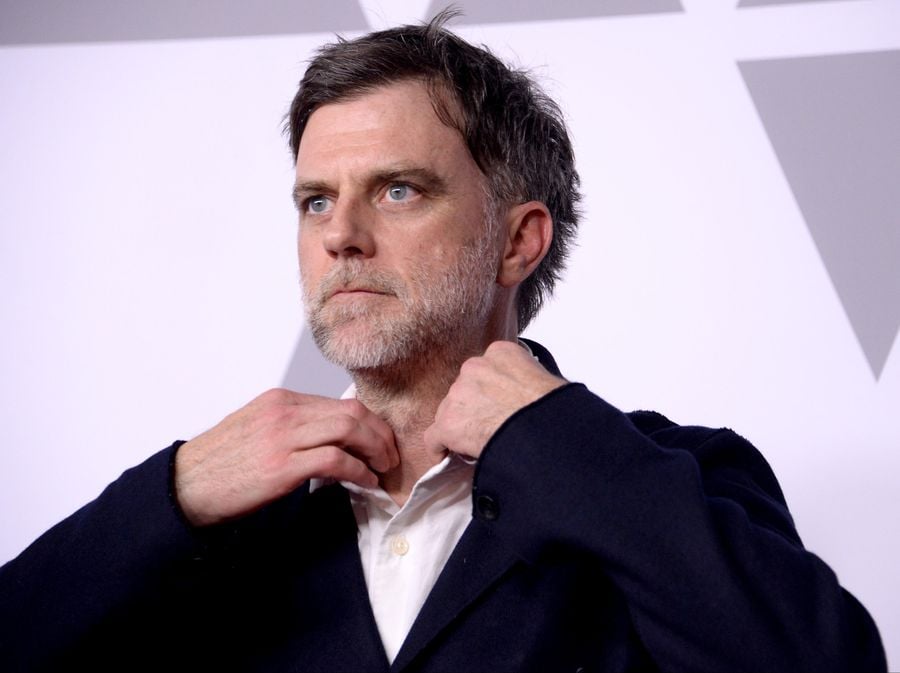
Paul Thomas Anderson explains why ‘Jaws’ was a “big, big, big deal” in his life

American filmmaker Paul Thomas Anderson has made some critically and commercially successful contributions to cinema. His most beloved and notable works include the dramas Boogie Nights in 1997 and Magnolia in 1999. He then entered the early 2000s with the romantic comedy Punch-Drunk Love. His other efforts include the brilliant There Will Be Blood, which was a huge critical success, and the psychological drama The Master.
Anderson’s go-to artworks are psychological dramas characterised by depictions of flawed characters, explorations of alienation, and loneliness. He also prefers a bold visual style of moving cameras and long shots. He also cites the likes of Stanley Kubrick, Martin Scorsese and Jonathan Demme as some of his major influences. One of these influences is frequent collaborations, such as Scorsese’s with Robert De Niro, as the director routinely works with casts that feature Julianna Moore and John C. Reily.
In addition to directing feature films, Anderson has also explored directing music videos for rock-orientated performers such as Fiona Apple, Radiohead and Haim. His contributions to both of these visual mediums have fueled his classifications as “one of the most exciting talents to come along in years” and “among the supreme talents of today”.
Anderson’s work features on many favourite film lists due to his creative and intelligent results. With such an impressive and visionary career, it’s a wonder to consider what films the director loves and what he would consider great cinema. Anderson frequently shares his favourite directors and films, alongside his reasoning for loving them so much.
One director who has served as a mentor for Anderson’s work is Steven Spielberg, one of Hollywood’s most beloved and successful filmmakers. Spielberg is responsible for some of cinema’s biggest and best blockbusters. These include the sci-fi flick Close Encounters of the Third Kind in 1977 and the family classic E.T in 1982. The director also achieved legendary status when he directed the sci-fi thriller Jurassic Park-the highest grossing film of 1993. These works have caused Entertainment Weekly to cite Spielberg as “arguably (well, who would argue?) the greatest filmmaker in history”.
However, it’s the film that made Spielberg a household name that Anderson cannot help but rave about. “Jaws was a big, big, big, big, big deal to me,” Anderson revealed in an interview with Lars Von Trier. He also shared how it was one of two movies he rewatched endlessly as a child, along with The Wizard of Oz, despite the fact this film is completely different in style.
Anderson’s love for this film is shared and valued highly in film culture. Jaws was released in 1975, and it follows the residents of a beach town being terrorised and attacked by a vicious shark. Despite several frustrating setbacks during shooting, such as the mechanical shark malfunctioning, Jaws was a smash hit. It’s perceived by film historians as a blueprint for summer blockbusters and is regarded as a watershed moment in motion picture history.
It’s not only a big deal for Anderson as a filmmaker but for film as a medium.
