


‘Fight Club’: The cinematic reimagining of Radiohead’s ‘Creep’

While David Fincher’s 1999 film Fight Club has been memed to death in the last half decade as a result of dullard manchildren on dating apps thinking it’s a masterpiece of outsider cinema that every woman who dares mention she likes films might happen to want to hear about (see also: Pulp Fiction), it can’t be ignored that even at the time of its release it was a controversial and provocative film that dared to dive into the human psyche in a way that few other films before it had.
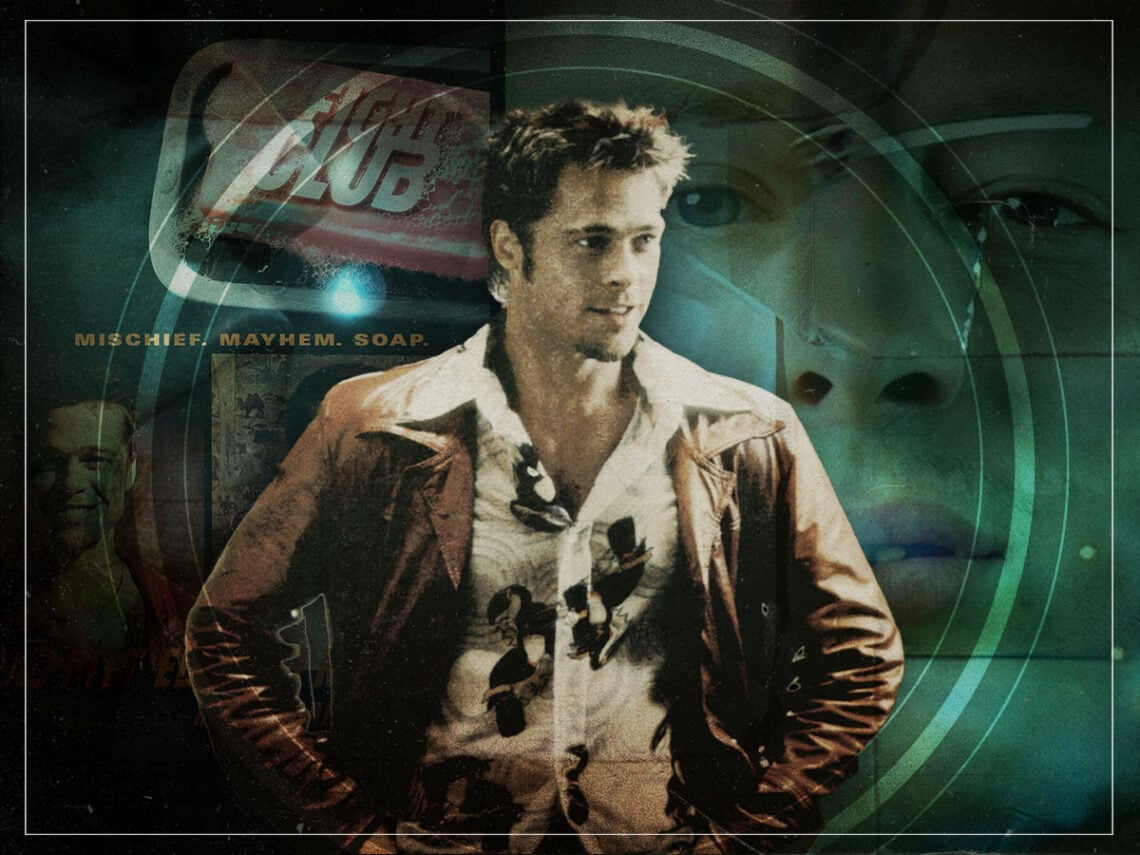
Based on the 1996 novel of the same name by Chuck Palahniuk, it follows a nameless insomniac protagonist, portrayed by Edward Norton, as he begins to lose his grip on reality and starts an underground hand-to-hand combat ring with soap salesman Tyler Durden, played by Brad Pitt. As Norton’s character and his behaviour become more and more deranged, things begin to unravel in ways that see him shift ever closer to the fringes of society, presenting him as a misunderstood outcast who simply wishes to fit somewhere.
If you haven’t seen the film, live a hermetic life that involves avoiding films, or haven’t had the misfortune of having the plot relayed to you in excruciating detail over Hinge, then spoiler alert: it’s revealed that the protagonist and Durden are the same person, with the latter simply being a figment of his imagination all along. How fascinating.
Flippant remarks aside, the film and its source material are celebrated for its exploration of themes such as identity and isolation, which, over the course of the film, spiral into more violent desires to disrupt social order through domestic terrorist acts such as targeting credit card companies. The deterioration of the protagonist’s mind and his paranoid delusions are the root cause of the savagery depicted in the film, but due to his presentation at the start of the film as an ‘everyman’, much of the commentary surrounding the film relates back to how he feels unaccepted by society and strives to become someone through creating his own ‘fight club’ as a means of fitting in somewhere.
This is a theme that has been explored countless times within cinema, but also within music as well, and one prime example of a central protagonist expressing their frustration being cast to the periphery of society in song is Radiohead’s breakthrough hit ‘Creep’. While vocalist Thom Yorke would go on to write far more philosophically intriguing work later on in his career, their 1992 track dives into the same themes of insecurity and harbouring a desire to be someone else that Fight Club also taps into.
The character that Yorke sings from the perspective of throughout the song is desperate to grab the attention of a woman, but his crippling lack of self-esteem prevents him from even making eye contact with the object of his desire, which he believes to be “so fucking special”. He then goes on to belittle himself further in the chorus, proclaiming that his failures make him a “creep” and a “weirdo” before saying, “I don’t belong here”, to close out the angst-ridden chorus.
This pent-up release of frustration is similar to how it manifests for Norton’s character in Fight Club – he wishes he was “special” and bemoans how others regard him, yet his largest obstacle is overcoming the barriers he has put in the way of himself rather than those that society throws at him. Both are regarded as works of art for the misunderstood but ought to be better perceived as warnings on how not to conduct yourself if you ever feel like you’re not good enough for someone or something.
