


William Finley: Brian De Palma’s most important actor

While he’s not a household name among mainstream audiences like Quentin Tarantino or Martin Scorsese, Brian De Palma is a master of genre cinema, commanding a deep understanding of cinematic language. From 1974’s Carrie to the sensational first Mission: Impossible entry, his style often takes cues from Alfred Hitchcock, blending the techniques of the old maestro with his own distinctive and flamboyant filmmaking. However, his choice of actors is equally as critical to his success.
The ability to evoke strong, often very raw emotions is an indispensable trait for actors in De Palma’s cinema, creating memorable characters that stay with the audience long after the credits have rolled. De Palma’s filmography reveals his propensity for repeatedly working with some of the biggest names in Hollywood, like Al Pacino, Robert De Niro, and John Travolta have all appeared in multiple films helmed by the director. There is one actor, however, a considerably less well-known one, who’s collaborated with De Palma more than any other.
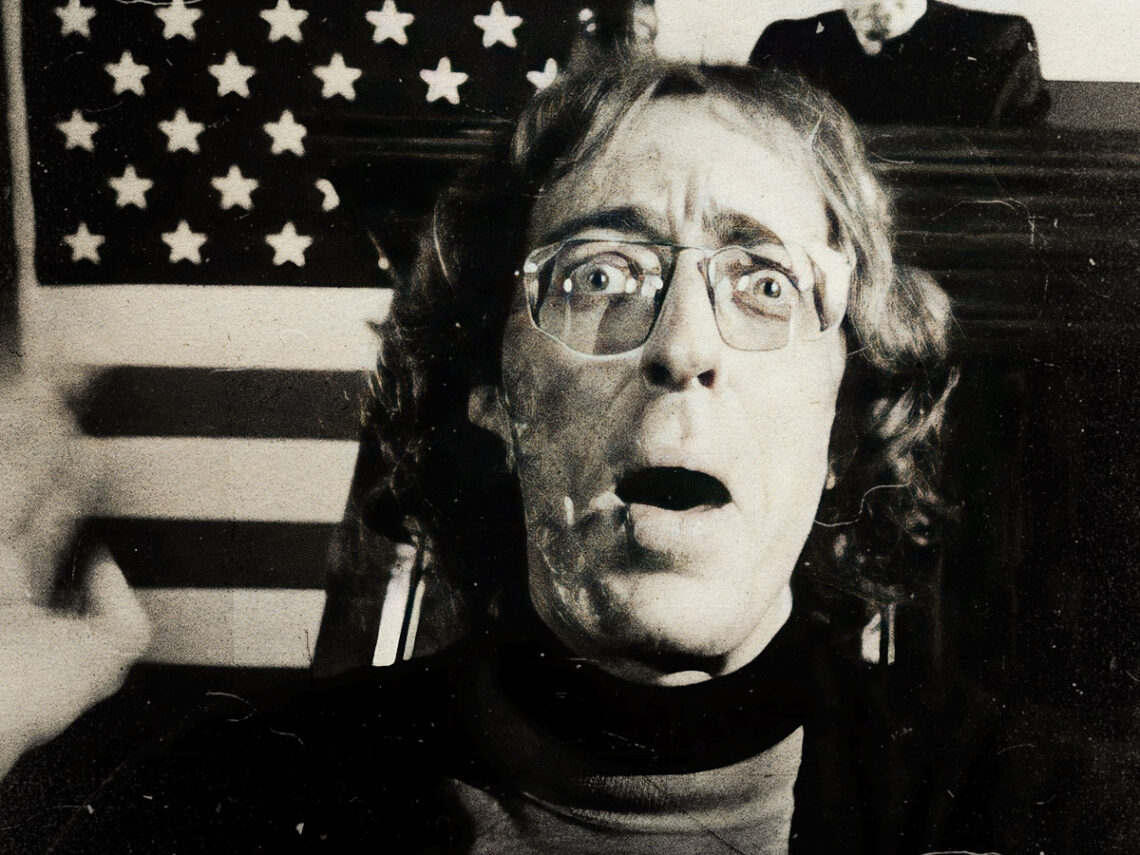
Enter William Finley, a man who’s appeared in nine of De Palma’s films and made a notable impact with his unusual and intense on-screen presence. Finley, known for his lanky build and peculiar bulging eyes, often portrayed eccentric, intriguing characters – with a particularly memorable role as the disfigured anti-hero in The Phantom of the Paradise, one of De Palma’s most recognised early works.
The duo first met while studying drama at Columbia University. Their studies were interrupted by a fire, leading to their transfer to Sarah Lawrence College, where they studied under Wilford Leach. This is where their professional collaboration began, with Finley playing the lead role in De Palma’s debut as both writer/director, the 1962 short film Woton’s Wake. A parody of silent horror movies, it paved the way for future collaborations and proved that Finley could match De Palma’s unique vision.
Their next major project, De Palma’s debut feature Murder à la Mod in 1968, saw Finley portray Otto, a strange slender figure who stalked an apartment block. Weirdly, the film’s psychedelic-rock theme song was both written and performed by Finley. Although often overlooked, this deep level of involvement suggests a creative connection between Finley and De Palma that transcended well beyond the standard actor-director relationship.
De Palma and Finley’s partnership reached new heights with 1974’s Phantom of the Paradise, a rock opera that bombed hard at the box office and was critically panned – but has since garnered a fervent cult following. A bizarre blend of Faust, The Picture of Dorian Grey and the original Phantom of the Opera novel, Finley led the film as a naive composer who must don a supernatural and haunting persona to bring the greedy record producer who tricked him into justice. As De Palma cultivated more clout as a director and moved on to bigger pictures, Finley became increasingly lower down on the cast list but nevertheless continued collaborating with De Palma on a further four movies. His final role was in De Palma’s neo-noir period thriller, The Black Dahlia, in 2006.
While De Palma never explicitly named Finley as his favourite actor, the frequency of their collaborations speaks volumes. Each film they worked on together demonstrated a clear synergy and mutual understanding that only enhanced the final product. It’s safe to say that De Palma found something appealing in Finley as a performer, evident in the compelling characters he brought to life in De Palma’s cinema. While other, much more famous actors will undoubtedly be associated with De Palma, it remains important that we remember Finley – their collaborative legacy serves as an enduring testament to a combined talent and shared vision.
