


“We can’t be heroes”: exploring the tragic beauty of The Horrors’ masterpiece ‘Still Life’

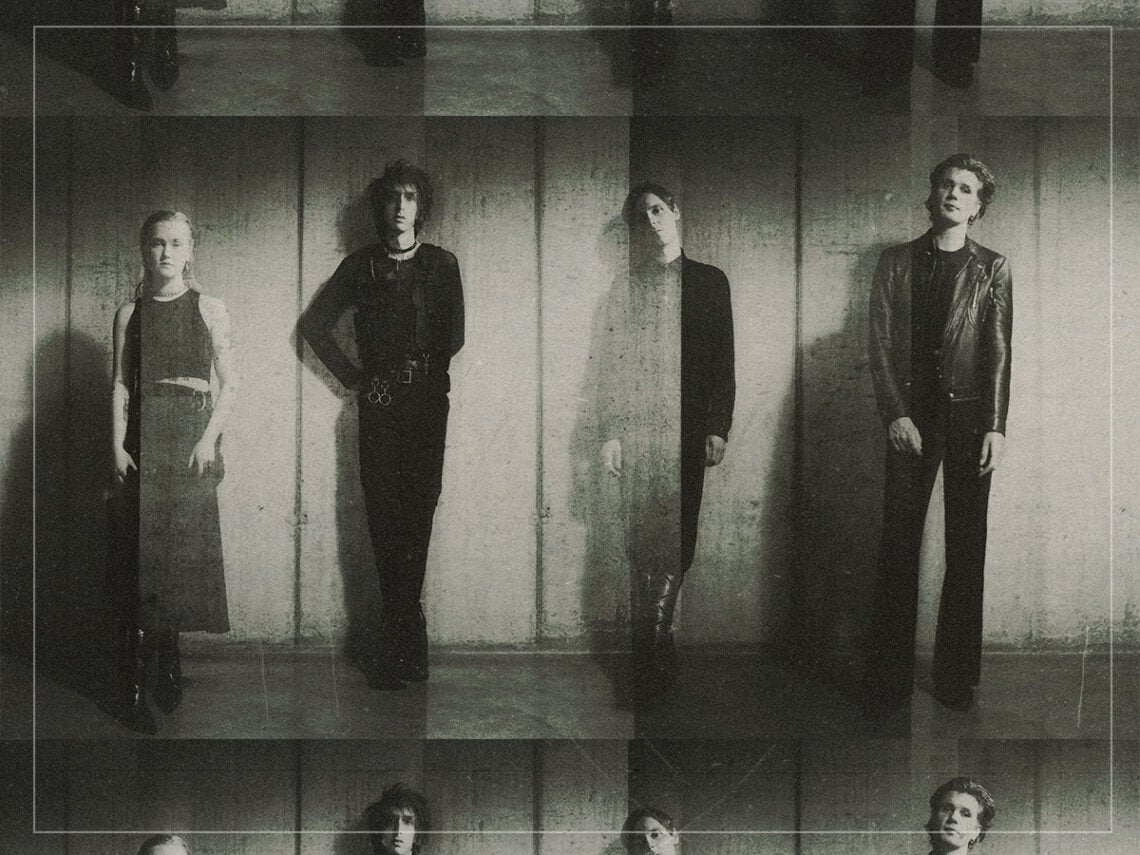
The Horrors recently released their brand new album, Night Life. It’s a triumph through and through, with incredibly subversive music that you can get lost in. The album comes with maze-like corners exemplified by its synth-heavy and distortion-laden approach. It marks the first album that the band have released in a while, but it’s good to see they haven’t lost their edge in these passing years.
In a 4.5-star review of the new album, Far Out noted how unique-sounding and innovative Night Life is. “Night Life is a masterclass in everything cinematic,” we wrote. “Small snippets at the beginning of tracks that aren’t repeated may seem insignificant, but they help to build tension, setting the foundations upon which subsequent instrumentation builds. Short songs feel drawn out while long numbers pass in seconds; it alters your perception of time and space, as the metaphorical water that you would be submerged in instead locks you in place, presses against you and holds you in this sonic apocalypse for the best part of 45 minutes.”
Of course, fans of The Horrors won’t be surprised by the band’s novel approach to their new music. They have been releasing exciting albums for over a decade, constantly pushing the boundaries of what fans come to expect and tapping into different themes and emotions continuously. One of the best examples of this exciting work is on their 2011 album Skying, specifically the track ‘Still Life’.
This was the first song the band wrote for the album, and it set the foundation on which they would build the rest of the LP. It set an exciting precedent that allowed the band to constantly push themselves and not surrender to boundaries that usually plague most bands.
“After a year on the road, before the night was out, we had recorded the first demo,” said Bassist Rhys Webb, reflecting on when the track was initially written. “It was so relaxed and pretty exciting. I left saying to myself, ‘If that’s the first track we’ve written, what’s the rest of it going to sound like?’”
The song is, simply put, a masterpiece. It’s equal parts dystopian and peepholes shimmering through with rays of hope. It’s an uplifting track, but it doesn’t try to blatantly smother you with positivity. There is a Bowie-esque sound to it, one that is slightly reminiscent of the track ‘Heroes’; however, the passive nature of The Horrors’ tracks gives it a feel that is difficult to describe. The song leaves you suspended in a feeling that is incredibly hard to put your finger on.
It is tragic yet beautiful, which is hard to come across in music, let alone during the specific period in which the song was released. A lot of the other indie music being released at the time followed a rigorous formula which The Horrors stepped outside of willingly. When you look at music from that period, this sound championed by The Horrors is much more prevalent today than many other pop-like indie guitar music at the time. It set the benchmark high and remains a cult classic in the modern era.
