


‘Explorer’: Pramod Pati’s psychedelic vision of India

While it’s almost impossible to paint a comprehensive portrait of a country, diving deep into national cinematic traditions often provides illuminating revelations about sociopolitical developments as well as cultural sensibilities. Even for a land as vast and diverse as India, understanding the history of cinematic evolution as well as the different forms of artistic expression help in assembling fragmentary insights to form a clearer picture.
Over the years, there have been highly diverse representations of India from vastly different creative sources operating in multiple frameworks. While most audiences are familiar with the high-budget fantasies constructed by Bollywood, the scope of Indian cinema extends far beyond that. Among the various visual traditions that have been practised in the last century, one of the most fascinating is undoubtedly the Indian avant-garde.
Deeply influenced by the transgressive experiments of Ritwik Ghatak, Indian experimental cinema provided the space for auteurs like Mani Kaul to create a startingly original form of Indian art that contributed to the establishment of a completely different cinematic identity. Although Kaul’s films are still studied by both cinephiles as well as other filmmakers, one artist who has almost been forgotten is Pramod Pati.
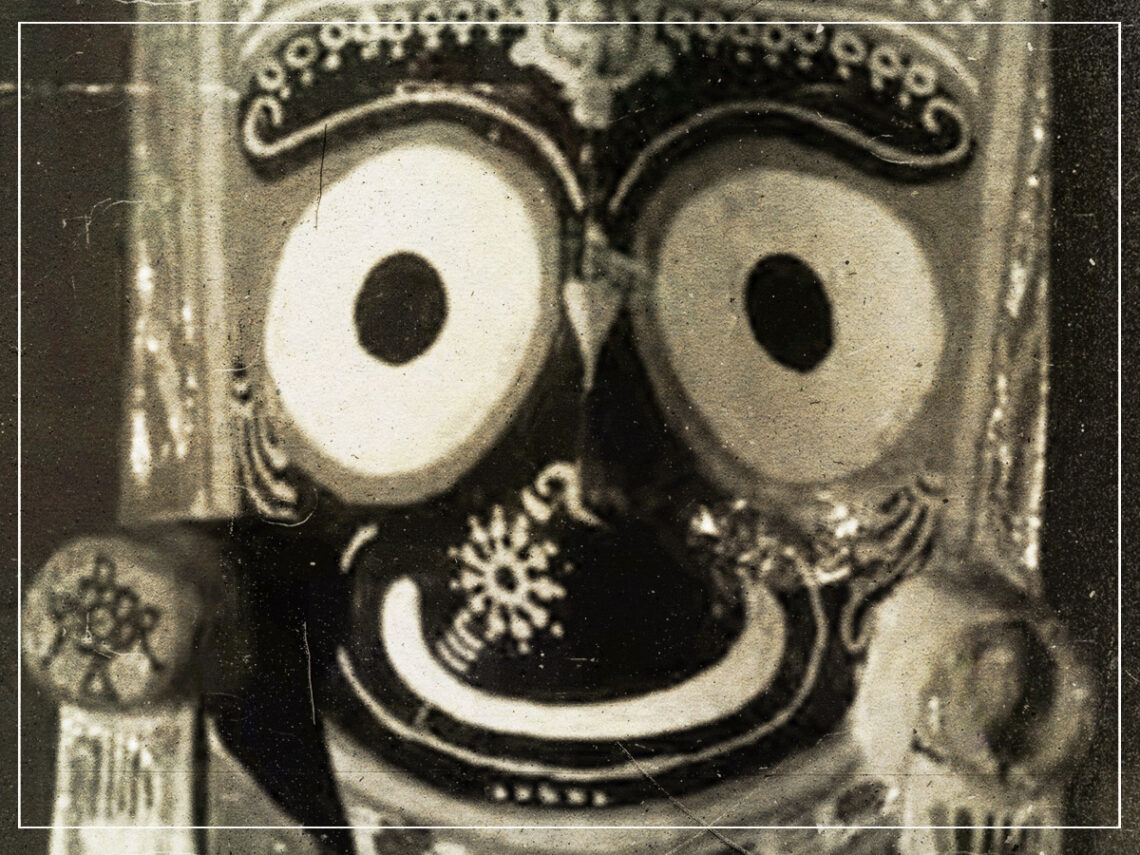
A student of the iconic Czech animator Jiří Trnka, Pati made several projects during the 1960s and the ’70s, but one of his most striking works remains the 1968 film Explorer. Created as a response to the volatile political turmoil that swept India throughout the decade, Explorer is a true cinematic anomaly that captures the inherent paradoxes of the Indian condition in a way that wasn’t seen before that and hasn’t really been replicated since then.
At a time when the Indian youth was becoming increasingly disillusioned, notably reflected in the emergence of the Hungry Generation poets in Kolkata, Pati uses sonic dissonance and visual incongruencies to mirror the fractured psychosphere. Oscillating between symbols of religious spirituality and images of urban development, Explorer shows us an India that is caught between its past and future in a violent state of limbo.
Surprisingly produced by the Films Division of India (which is a government body), Pati’s critique is incisive and unforgettable. Choosing to flash “F*ck Censorship” on the screen in a State-produced work is the kind of artistic activism that is desperately needed today, especially when the current Indian government is doubling down on its authoritarian stance and censorship duties. Explorer perfectly demonstrates the raw power of the Indian avant-garde, the kind of power that will always slip through the cracks to voice dissent.
Watch the film below.
