


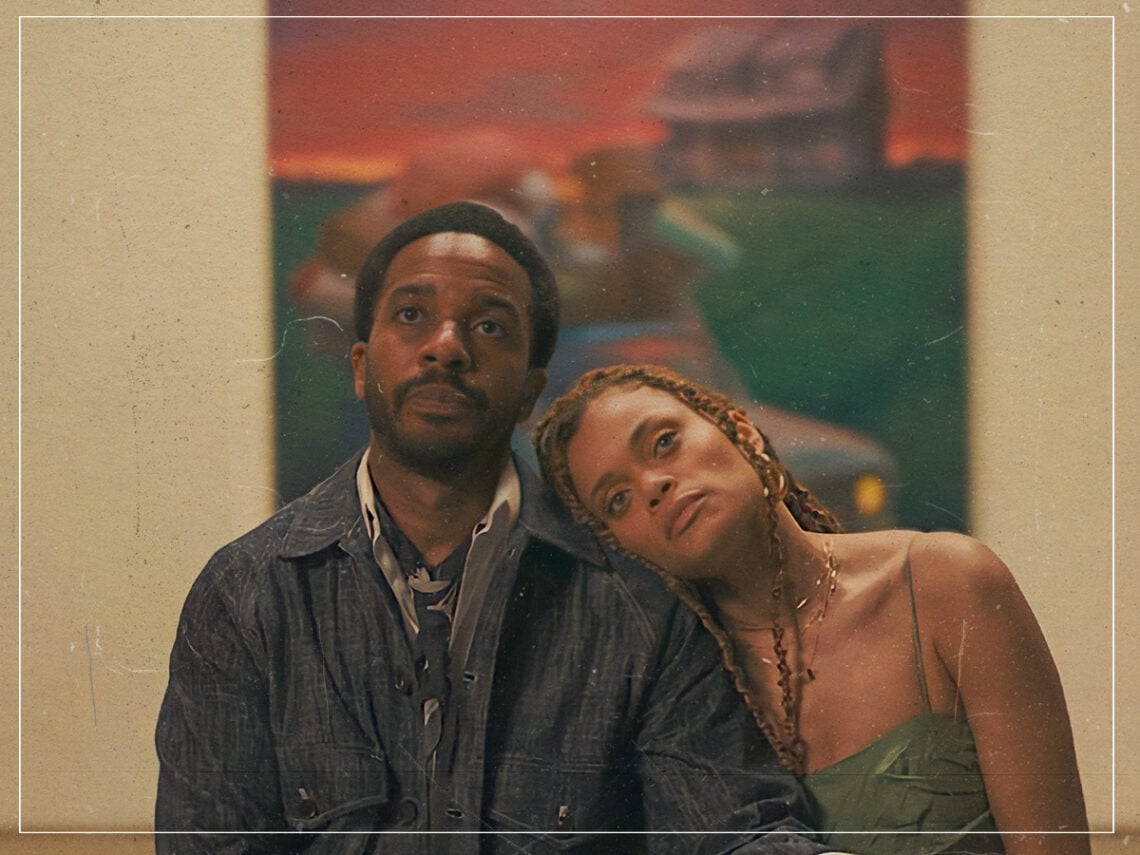
‘Exhibiting Forgiveness’ review: Titus Kaphar’s scintillating Sundance debut

If the zeitgeist of contemporary filmmaking could be bottled, the essence extracted would radiate with pain, grief and nostalgia that comes with growing older, realising that to move forward, we must reconcile with the past. Such questions flowed through the Andrew Haigh drama All of Us Strangers, simmered in Greta Lee’s Past Lives, and now, ferociously bubble in Titus Kaphar’s Exhibiting Forgiveness.
Far more acclaimed in the art world, where his personal paintings regularly explore identity, history and class structures, Exhibiting Forgiveness marks Kaphar’s debut into the world of film, with the Sundance Film Festival being a worthy platform for his remarkable first appearance. Something of a semi-autobiographical picture that draws on the experiences of its director, Exhibiting Forgiveness cries with the same tender empathy as his paintings.
André Holland is the actor who emulates Kaphar, playing the artist Tarrell, a successful modern painter whose life is upended by the arrival of his estranged father, La’Ron (John Earl Jelks), an abusive ex-addict. Now a father himself with his partner and fellow artist, Aisha (Andra Day), Tarrell is forced to purge the demons of his past and reconcile with the reality of his present day.
An exploration of forgiveness, first and foremost, as the title might suggest, Kaphar slams down the thematic doors with quite some might, sometimes forgetting the beauty in nuance as he wields his cinematic wand. Yet, despite its ability to lean almost into melodrama, there’s something so utterly endearing about Kaphar’s debut that it sweeps you off your feet and into a strange realm of cinematic bliss.
So emotionally expressive that it often felt like the catharsis of therapy, Kaphar is daring in his execution, attacking the fragility of a broken past with resolute passion, largely thanks to the performance of Holland, who feels very much like a conduit of all the director’s thoughts and intentions. Art is, indeed, pivotal in giving people the tools to be able to grow and repair, with the canvas being a fervent mood board for all these emotions to be housed, and the director perfectly captures this form of eloquent self-help.
Broken and desperately seeking reconciliation for his past wrongdoings, La’Ron, played to perfection by John Earl Jelks, is the film’s linchpin, arriving into the lives of the family like an unwanted draft in an otherwise settled home. Those who once loved him have progressed, and he is now a reminder of the fragility of the past, a walking phantom of history who carries with him weighty luggage of grief and regret.
“Are bad days somehow more saturated than good ones?” Tarrell utters to his wife and fellow artist, struggling to come to peace with the pain of the past, with these sorts of poetic sound bites giving Kaphar’s debut a sense of identity that feels otherwise lost in the tumultuous world of indie cinema. Resonating strongly with Sundance audiences, there’s no doubt that Exhibiting Forgiveness scratches a therapeutic nostalgic itch, with Kaphar successfully transitioning into the world of filmmaking, an impressive feat that should not be taken lightly.
