


‘Eternal Spring’ Review: A fascinating mixed-media documentary

Eternal Spring, the Canadian submission for the 2022 international film Oscar is a fascinating, mixed-media documentary that has already received jury awards from many film festivals, along with a recommendation from London Human Rights Watch earlier this year. It is an intensely moving, often shocking account of the Chinese government’s harsh suppression of the adherents of Falun Gong, a religious and philosophical organisation.
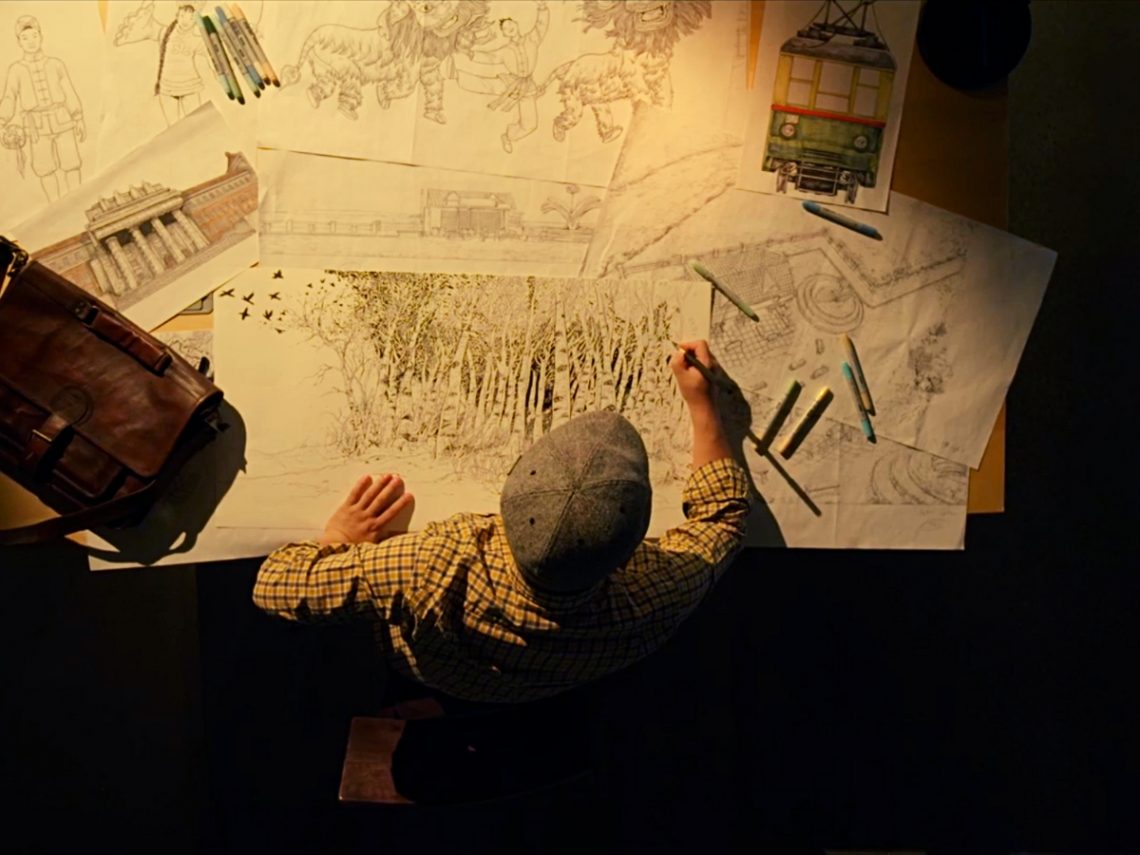
One of the most striking features of Eternal Spring is its incorporation of conventional footage, such as live-action clips and interviews, as well as animation styled after classic comic books. This approach developed out of the acquaintance between the film’s director and writer, Jason Loftus, and former comic book, film, and video game artist Daxiong, who met while Loftus was doing his initial research. Daxiong had been a prolific and successful illustrator in China, before he was forced to flee the national crackdown on Falun Gong members.
According to the director, while speaking at the Windsor International Film Festival in Ontario, Daxiong was eager to be involved in the film and to use his artistic skills to help tell the story. The choice to participate came at a cost: Daxiong had developed a video game, which had been approved and enthusiastically marketed in China, and would have brought him significant profits. When Eternal Spring went into production, approval for the game was withdrawn because the filmmakers had acted against party policies. Loftus remarked that he can now better understand film studios’ willingness to alter or redact films to ensure marketing in China, given the potential profits the nation represents.
The film’s central focus is a well-publicised event from 2002 when Falun Gong members managed to hijack a Chinese television station remotely. As the film relates in detail, for many years, Falun Gong was not only permitted in China but was widely and openly practised. Members would gather in large numbers in parks and other public areas to perform the synchronised spiritual ‘exercises’ that outsiders typically see as a form of yoga or Tai Chi.
In 1999, the Chinese government banned Falun Gong as contrary to state-endorsed atheist principles (although Daxiong and others believe it was motivated by the sheer numbers joining the sect and its willingness to take ethical stands on social or political issues, which worried the ruling party). Efforts to eradicate the group included regular anti-Falun Gong propaganda on news reports. Daxiong, who was reluctantly involved in the plot, explains that they tried taking over a television station to broadcast information about the persecution of their fellow members and to counter the official propaganda with a more positive message.
Animation dominates the film, with live scenes added briefly as commentary. Daxiong’s pleasing comic-book images are used to introduce key individuals impacted by the national sanctions, and to set up the history of Falun Gong, also taking time to provide the artist’s background. As a child, he was fond of traditional Chinese comics, which were primarily morality tales or patriotic histories, but with a kind of artwork that inspired him to begin drawing. The key thread in the documentary, that of conflict with the Chinese Communist Party, is told by a mixture of live interviews, voice-overs by key players, and animated artwork by Daxiong. The animation is lively, realistic, and creative. When used to portray actual events, it is as effective as a live-action re-enactment but far more flexible in terms of what can be made visible.
The well-known hack of national television, which for one day forced an alternate view onto the national airwaves, is shown in great detail as a cleverly planned collaboration and presented in the tone of a suspenseful heist drama. The mood changes as the success of the hack gives way to an intense government crackdown on anyone suspected of being involved. The grim accounts of arrests, torture and a few deaths in prison are lightened with examples of exceptional bravery or camaraderie by some prisoners and even successful escapes by others.
As director Loftus comments, the film is not merely about the fate of Falun Gong. In fact, it makes no attempt to defend or praise the spiritual movement beyond the claim that it is benign and undeserving of such a drastic reaction from the Chinese government. Eternal Spring offers context and insight into other issues, such as the treatment of the Uighurs or of Tibetans.
Loftus also felt that the discussion of state propaganda was worthwhile, noting that, as reported to him by journalists on the ground in China, anti-Falun Gong propaganda was fairly effective even with people who knew perfectly well it was false – such as the foreign journalists themselves. The sheer volume had its impact. On a more positive note, Loftus’ contacts suggest that international publicity does have a modest effect within China, even if concerns about trade tend to dull opposition to party atrocities. Journalists see a little more openness to discussing Falun Gong and to the idea that the regime itself may be at fault.
An extreme form of an all too common international issue is presented here in a creative and heartfelt account which offers both the facts and the human experience behind it all in a way that is engaging despite the appalling facts it deals with, thanks to a fortunate alliance of concerned and talented people.
Following an international film festival run, Eternal Spring will stream worldwide early next year.
