


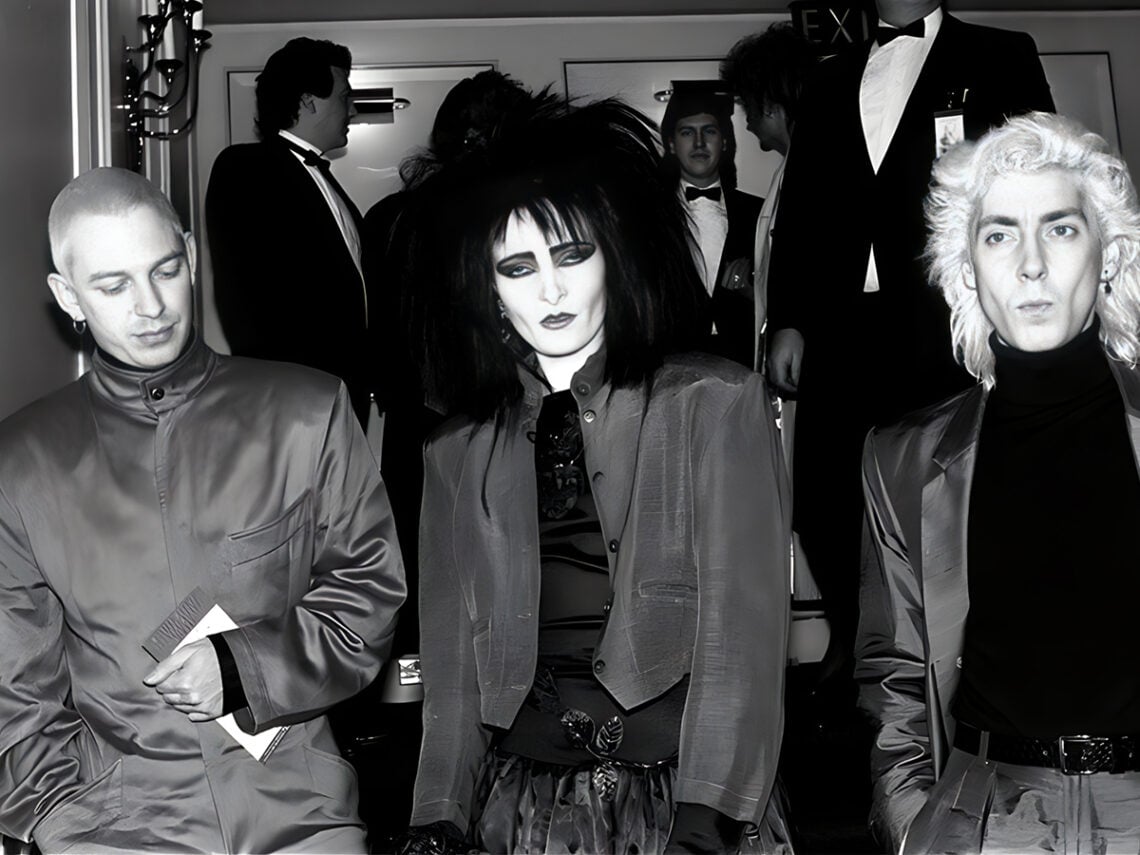
“Essential”: The 1980 show Siouxsie and the Banshees needed to play

In even the most literal sense of the word, Siouxsie and the Banshees were a wailing force against convention, epitomising the ritual that rules were only made to be broken.
At every turn, the band would make it their mission to upend the status quo of rock and roll, whether it was in their sound, vision, or any other walk of life. That was the manifesto they set out on when they began in 1976, and never lost for a second throughout every era and decade that ensued since then.
Given that they rose up in a landscape that didn’t quite fit with punk and equally hadn’t met the new wave yet, the crossroads that Siouxsie and the Banshees had to straddle was one that most acts wouldn’t be up to the task of. But the true mark of their genius was that the band was not intimidated by this challenge and decided to embrace it as the ultimate mark of their walk.
In this sense, however, the idea of rejecting convention came at an unfortunate time in society, when the main method to get music to the masses came with the ultimate mainstream appeal. Think music videos, MTV, and Top of the Pops. To many fellow rebels, embracing these methods were akin to sacrilege.
But when it came to the latter TV heights, Siouxsie Sioux ultimately felt it was the right way to reach the widest audience with her band’s message, and it was subsequently something that stayed with her forever. “Some people didn’t want to compromise and go on Top of the Pops but we thought it was essential,” she later recalled.
In many underground eyes, there was an element of snobbery which put the barriers up between their scene and anything even remotely associated with the mainstream, which put the Banshees in a difficult position in terms of appeasing both sides of their burgeoning fanbase. However, you could leave it to the woman herself to justify her reasons.
“It was essential to engage with the establishment,” she said. “There was obviously a lot of rubbish on it but it was the other moments that you remembered. You would remember seeing Bowie and Ronson on Top of the Pops. You would remember seeing Roxy Music.” And in this respect, she wasn’t wrong – it was, after all, those same misfits that carved the underground scene they loved so much, too.
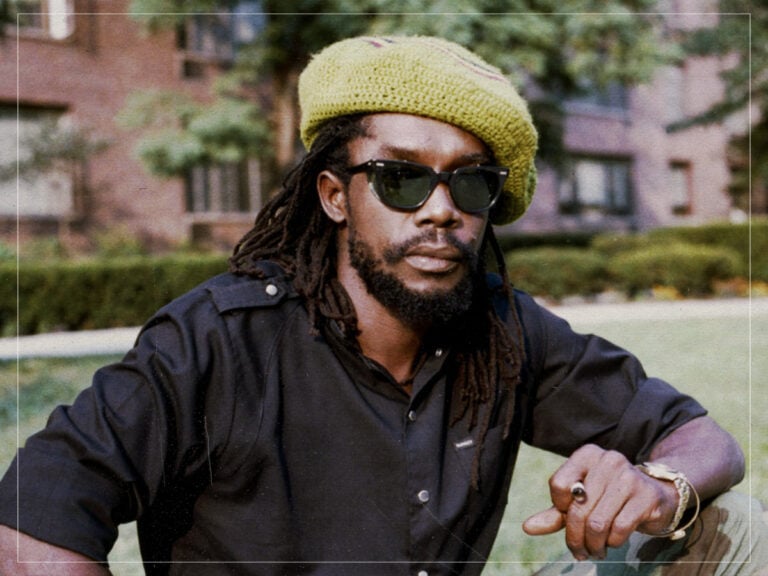
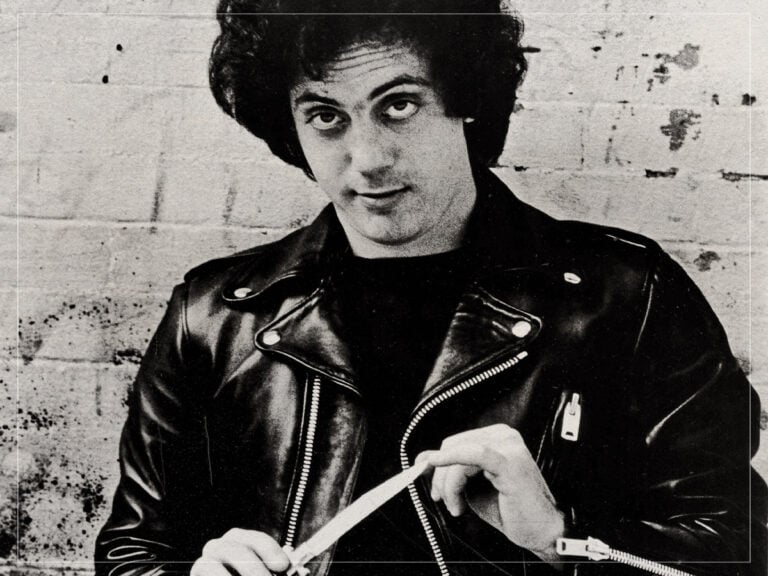

Indeed, Top of the Pops garnered a peppered reputation over time, both for being the pinnacle of new music and simultaneously perhaps the worst representation for it, as some sections sonic of diehards would feel that it didn’t speak to the type of music they were getting to know and worship for their own sacred religion.
The fact that Siouxsie and the Banshees sat in the middle of that dichotomy, in their fanbase as well as their sound, spoke to a sometimes confusing and most non-straightforward space in the music canon that they ended up inhabiting. For most, that would be an uncomfortable place to get stuck, but for the band themselves, it was ultimately where they felt most at home.
