


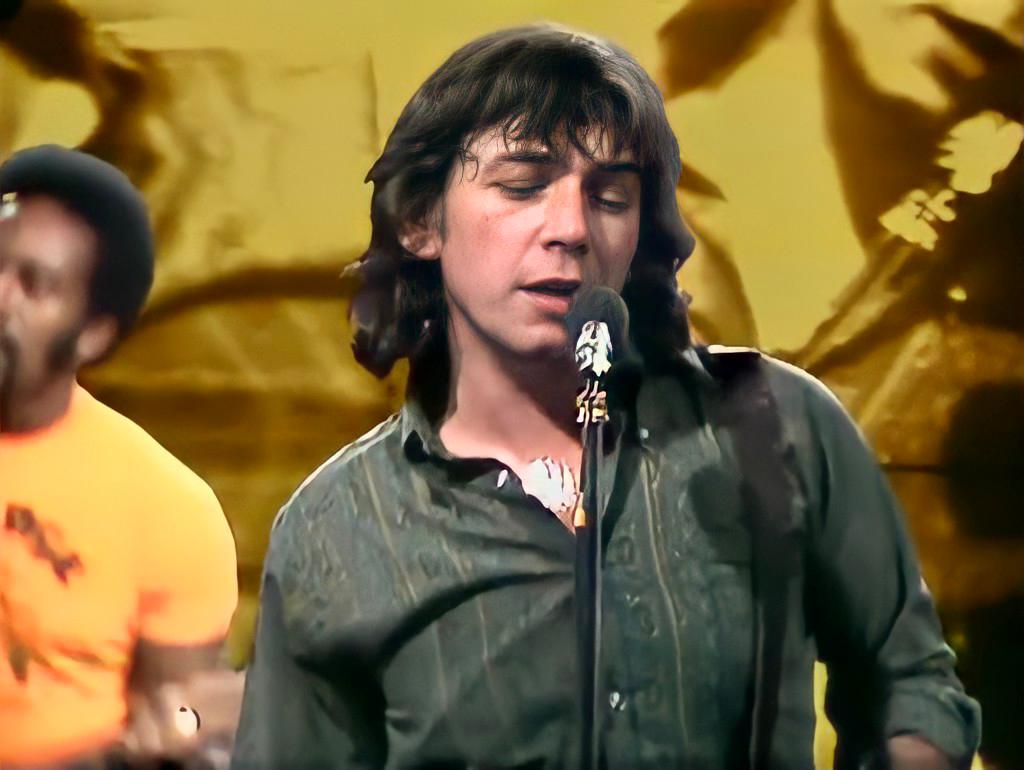
Eric Burdon explains why The Kinks “outstripped the Stones and the Beatles”

As lead singer of The Animals, Eric Burdon lived British music’s 1960s heyday first hand. It’s revealing that the group were frequently introduced as Eric Burdon & The animals; they were his vehicle, after all. With a cavernous blues-rock voice and a clear vision, Burdon helped establish The Animals as one of the most dexterous young groups of the British invasion. They absorbed everything in and around them: R&B, rock ‘n’ roll, psychedelia – nothing was off limits.
Burdon’s angrier songs for The Animals have even been credited as formulating the blueprint for punk. “I’ve always viewed myself as a punk. The Animals could have evolved that way,” he told Songfacts. “We had the energy and the anger, but we didn’t stick together.” The Animals’ influence on punk is shared by another ’60s band revered for their subversive lyrics and aggressive songcraft; a band Burdon believes blew The Beatles, and The Rolling Stones clear out of the water.
The Animals are frequently lumped in with their British Invasion contemporaries, many of whom drew inspiration from American blues players. Closer listening reveals that Burdon and the band were perhaps drawing from a wider pool of sources than their peers. “I thought that we were darker than any of the other bands initially,” the frontman later recalled — and he may have a point. The Animals’ biggest hit, ‘House of The Rising Sun’, stands in stark contrast to the Beatles’ early bubblegum hits, and even The Rolling Stones – the hard-edge of British rock at the time – were rarely as confrontational as The Animals were in ‘It’s My Life’, in which they tell their listeners: “Don’t bend, don’t break, baby, don’t back down.”
Burdon wasn’t much impressed by the faux grit of the Stones nor the commercial softness of The Beatles. “I thought The Kinks were fantastic though,” he said. “Their attitude outstripped the Stones and the Beatles.” I’m tempted to agree with him; The Kinks are beyond comparison. In his lyrics, the ever-acerbic Ray Davies conjured up a vision of establishment England about to be consumed by a wave of youth culture. Though frequently jovial, The Kinks’ music is rich in disillusionment, anger and revolutionary vigour. there is social criticism here – and class anxiety too. From criticisms of post-war urban development in ‘Come Dancing’ to examinations of class and inequality in ‘Dead End Street, few bands capture the churning tumult of the late 20th century like The Kinks.

Never Miss A Beat
The Far Out Beatles Newsletter
All the latest stories about The Beatles from the independent voice of culture.
Straight to your inbox.