


‘Emilie Muller’: Yvon Marciano’s strangely powerful exercise

French filmmaker Yvon Marciano worked on multiple interesting projects throughout his career, but one particular work will always be singled out when scholars and fans discuss his legacy. That film is none other than the brilliant 1994 gem Emilie Muller, featuring one of the most striking explorations of the acting process in film history, which draws the viewer into familiar territory only to pull the rug out from under them in an ecstatic moment of narrative whiplash.
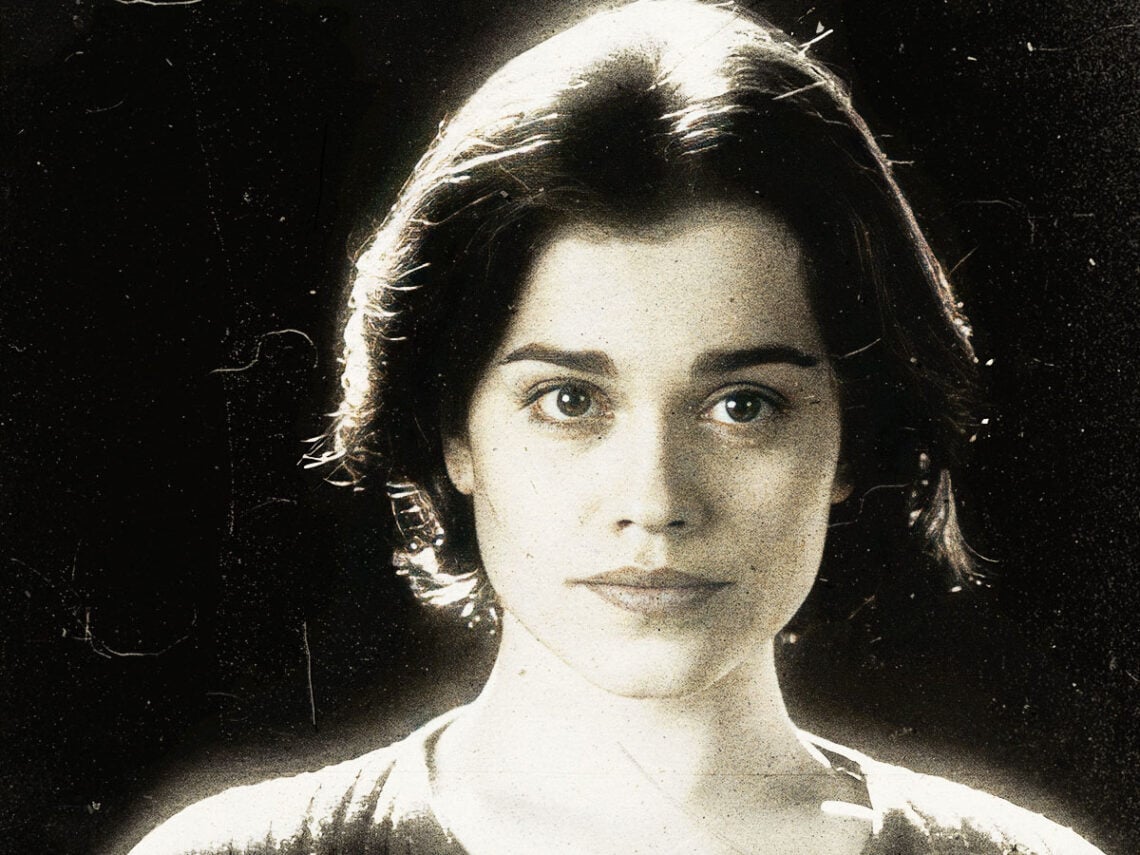
Starring Veronika Varga, who delivers a truly mesmerising performance, the film revolves around a young woman named Emilie. After her friend pulls out of an audition, Emilie decides to fill in for her and auditions for the same part. What starts out as a standard casting process soon evolves into an interesting experience, prompting her to reveal more about herself and the intimate details that give meaning to her life.
Throughout the film, we view Emilie from two unique modes of perception: through the camera that is pointed at her and from a wider vision of the studio that contains the director, the crew and the equipment. It is these changing perceptions that form the central artistic foundation of Emilie Muller, urging us to think deeply about how individual identities are constructed and the myths that we create in the process.
Since Emilie has no prior acting experience or relevant education related to the performing arts, the director asks her to go through the objects in her bag and talk about what they mean to her. At first, we are charmed by Emilie’s amateurishly gifted camera presence as she transitions from one thing to the next, from photographs of her family to gifts and postcards from friends, while slowly unwrapping her history and her journey.
While her shyness and personal anecdotes make for an interesting approach to the audition process, it’s completely transformed into something else when the director realises she had been talking about objects that didn’t even belong to her. In reality, she had formed an image of a completely different person and another life while going through the personal belongings of another crew member. It is this realisation that makes the director run after her immediately.
Many pioneering filmmakers like Jacques Rivette and Alejandro González Iñárritu have conducted fascinating investigations of the craft of acting, but Emilie Muller definitely holds a special place within the extensive oeuvre. It raises important questions about the manufactured personas that are necessary not only for actors but for us as well, in order to keep pace with the demanding nature of social networks. Of course, the only difference is that we’re not all as great as Emilie.
Watch the film below.
