


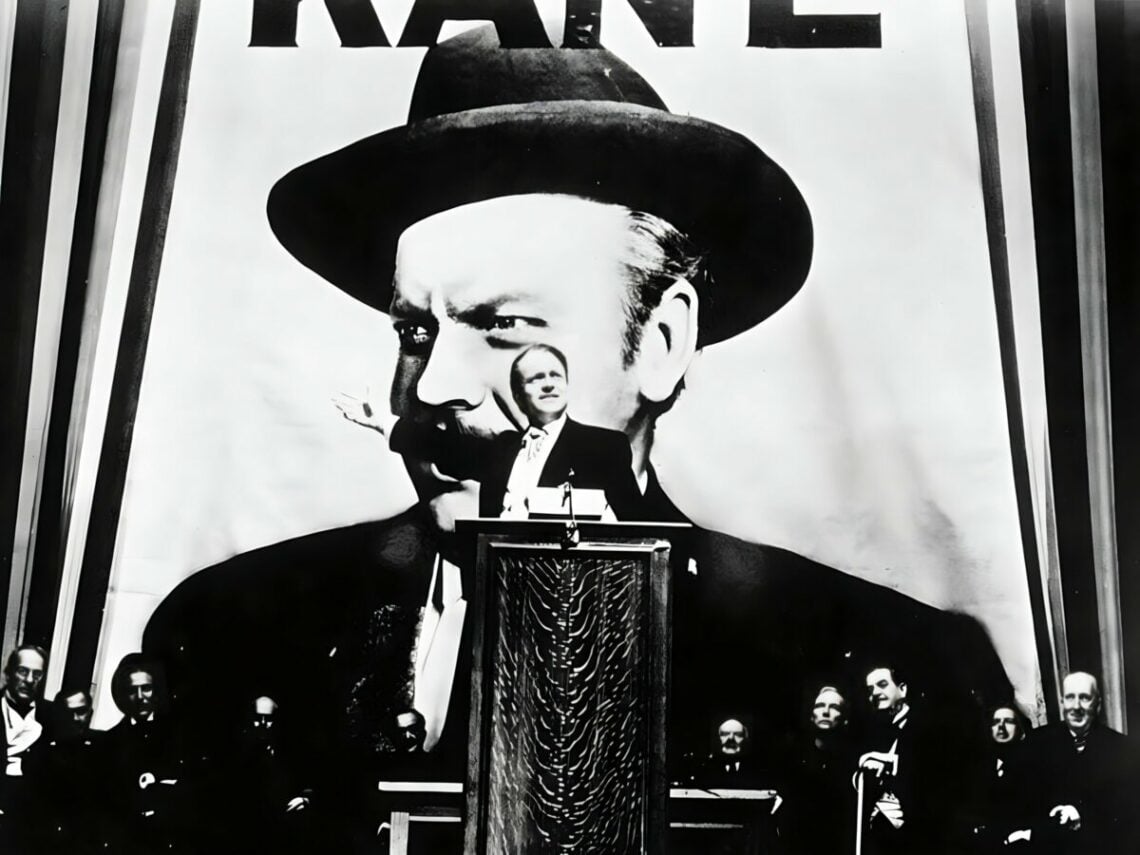
The embittered battle behind the release of ‘Citizen Kane’

For over nine decades, the debut feature film of Orson Welles, Citizen Kane, has been uttered in abundance when discussions regarding the greatest movie ever made in cinema history arise. It arrived on screen in 1941 after the narrative arts icon wrote the screenplay in collaboration with Herman J. Mankiewicz.
Citizen Kane sees Welles portray Charles Foster Kane, an incredibly wealthy newspaper publisher and industry magnate. The movie marked an unbelievable achievement for Welles, whose first foray into feature-length films saw Welles directed, produce and star in the work that would go down in history as one of the greatest of all time.
But before Welles’ debut was released, an embittered battle was raging that almost meant that the world would never see the masterpiece of cinema. Welles had based his titular character on a number of media barons and tycoons, including William Randolph Hearst, Joseph Pulitzer, Samuel Insull and Harold McCormick.
It was Hearst that provided the problems with the film’s production. He was known for developing the most prominent newspaper chain and media company in the United States, Hearst Communications, and believing in the nature of sensationalist journalism and an insistence on delivering stories of human interest, which led to his immense success.
Citizen Kane was worked on in secret, knowing that if Hearst caught wind of its subject matter, then he would likely throw a spanner in the works and bring a halt to proceedings. It was only referred to as project ‘RKO 281’, the lot in Hollywood where filming took place.
Eventually, Hearst was alerted to the film and sent his employee Louella Parsons to investigate. When Parsons arrived on the scene, she lambasted the production as being unjustly critical of her boss, claiming that he was a tyrant in the world of media, entertainment and industry.
Hearst was also said to be upset by the depiction of his mistress, the ex-actor Marion Davies, as an alcoholic without talent. The tycoon followed up on his initial rage by banning any mention of Citizen Kane in any of the newspapers or newsreels that he owned, which essentially led to its failure at the box office.
The aggression went further, and he’d also had a hand or two in the world of movie studios and contacted a number of his peers in the industry to support his cause against Welles’ debut, and several of them came together in a joint attempt to purchase and destroy the negatives from RKO Pictures.
However, RKO refused, and the film was released. It was not a box office success by any means, but it likely recouped its budget over several years after it was nominated for nine Academy Awards (winning) one and becoming a classic of cinema in the process. It should also be said that Hearst lobbied to have Citizen Kane win fewer awards, and without his actions, Welles might have won more than just his solitary debut Oscar.
