


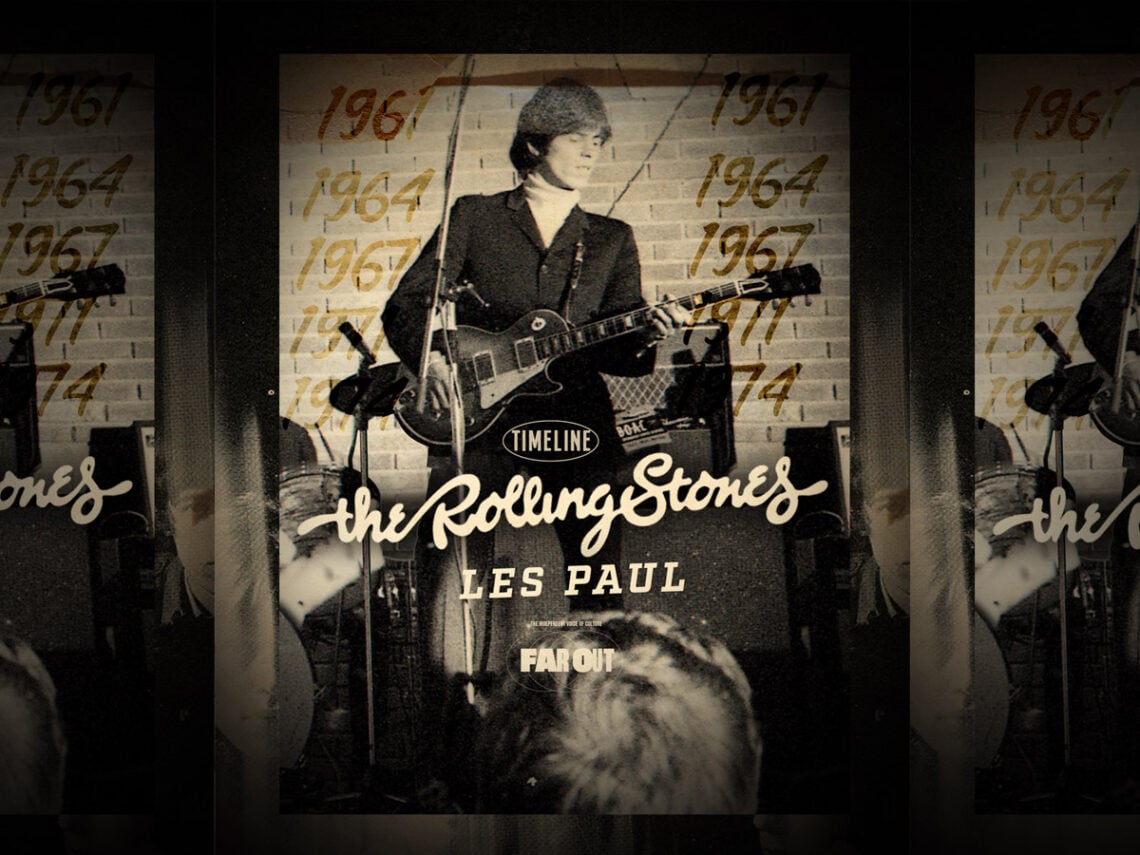
A timeline tracking the elusive history of The Rolling Stones’ 1959 Gibson Les Paul guitar

There’s a storm brewing in New York, and no, it’s not the meteorological kind.
The eye of the hurricane is instead heading straight for the Metropolitan Museum of Art, as a very disgruntled Mick Taylor from The Rolling Stones wants his guitar back.
The debate began earlier this year when an exhibition showcasing over 500 of the rock and roll world’s most famous guitars opened at the museum, with one mysterious addition. A specific 1959 Gibson Les Paul had turned up as a key part of the display, but the problem was, it was the very same one that had been stolen from the band back in the early 1970s and never found.
As you can imagine, this has sparked quite a fiery debate between its alleged former owner, Taylor, and the museum themselves. The guitarist’s manager, Marlies Damming, recently told The New York Times: “We would like the Metropolitan Museum to make the guitar available so that we can inspect it and confirm its provenance one way or the other.”
But the plot thickens even further, as The Met Museum has retorted, firstly saying that none of Taylor’s representatives have been in contact with them to officially back up their claims and that, according to their own research, he may have played the guitar in question but has never been listed as its official owner at any time. If things go any further, it feels very much like a Netflix true crime documentary series could be on the cards.
But before the museum and the rock god potentially come to blows, it’s worth tapping into our inner detectives and sorting out a true timeline of events to track the elusive history of this iconic guitar, once and for all. The ironic thing is, it’s right out there on display in New York as we speak, but hopefully this doesn’t give any budding criminal masterminds ideas.
The history of The Rolling Stones’ 1959 Gibson Les Paul:
1961
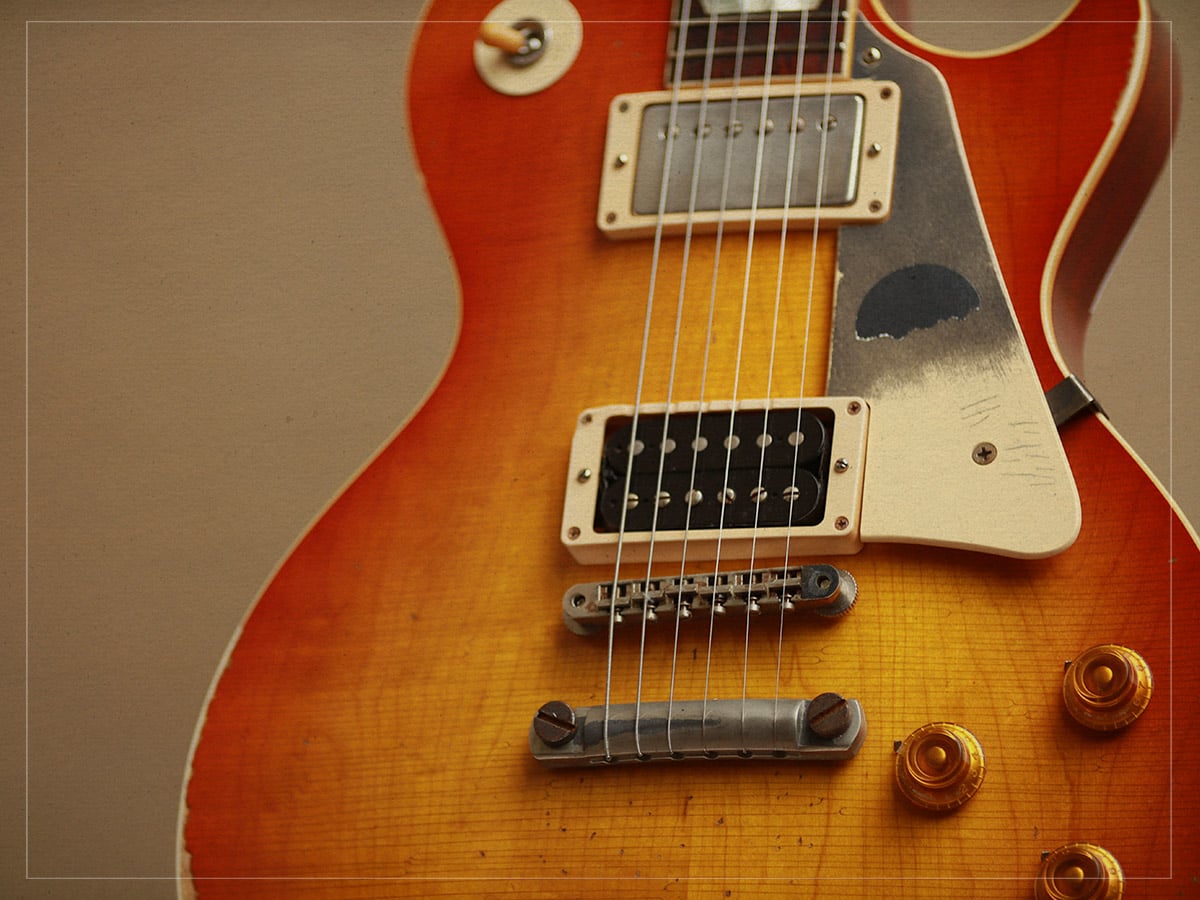
Luton, England
The guitar began its illustrious life with rather humble beginnings, having rolled off the factory line and winding up on the shelves of the Farmers Music Store in Luton by 1961, where it was eventually purchased by a man by the name of John Bowen in March of that year.
Not long after, the bare bones of the instrument were enhanced by the addition of a Bigsby vibrato tailpiece from Selmer’s Guitar Store, allowing pitches and notes to be warped and bent.
In the hallowed halls of Selmer’s the guitar then got its second lease of life when around the virtuosos and the novices, it was eventually traded in, in favour of a Gretsch Country Gentleman by the end of 1962. But alas, its story was not to end there – and, in reality, was really only just beginning.
1964

Keith Richards
Two years later, when a little London-based band by the name of The Rolling Stones were on the cusp of changing the rock and roll landscape forever, the Gibson Les Paul fell into the hands of one Keith Richards, who remained its most prolific official owner until the fateful night in 1971 – but that will come later.
For the time being, the guitar played a pivotal role in cementing the Stones’ international success, with Richards playing it during their 1964 performance on The Ed Sullivan Show which broke them to the United States.
Richards then allegedly sold the instrument to his bandmate Taylor sometime three years later, which is how he comes into the picture on the current debate, but he was never officially listed as the owner and it technically remained the property of Richards.
Nevertheless, there was no denying that it was almost like the band’s baby, and an essential part of their fabric.
1967
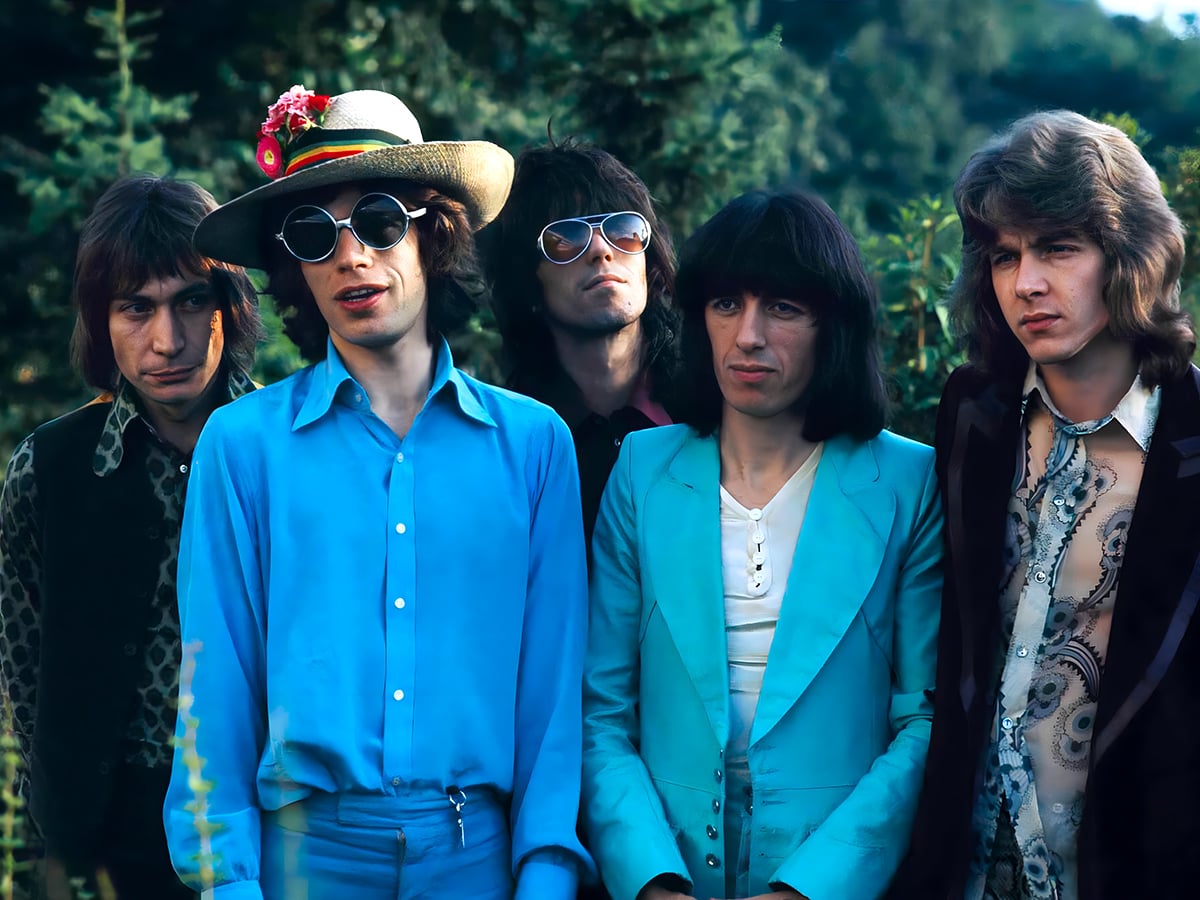
Mick Taylor
If we are to take it at face value that Taylor did own the guitar at this time, it enjoyed a prolific few years in his hands.
Most notably, he played it during the band’s notorious Altamont Free Concert in December 1969, which ended in chaos and violence with The Rolling Stones’ headline performance, with 18-year-old Meredith Hunter being killed by Alan Passaro, one of the Hell’s Angels.
But aside from witnessing bloodshed and violence, the guitar also got passed around various famous faces during this time, whom it was lent to for certain performances. Legend would have it that both Eric Clapton and Jimmy Page each had a turn on it, making this Gibson Les Paul more star-laced than most.
1971

The Theft
But the illustrious players of the instrument proved to be both a blessing and a curse over time, as on one fateful night in September 1971, it was ripped out of The Rolling Stones’ grasp and was, according to their version of events, never seen again.
The band were holed up at a mansion in France, recording their iconic album Exile on Main St, when a gang of criminals descended on them and swiped the guitar, along with another number of the band’s instruments.
It was – allegedly – all Richards’ fault, as the thieves were seemingly drug dealers out to get the fellow guitarists had he had not paid them for his bounty of substances. But the tragedy had already been wreaked. The guitar was gone, and for over half a century afterwards, the Stones thought it would never come into their orbit again.
Purely going off the research that The Met Museum has now produced, they say that record producer Adrian Miller was then listed as the owner from later that year, although it’s a mystery how it came to be his. It was clearly like a hot potato, however, as only months afterwards, it had then been bought by Cosmo Verrico from the Heavy Metal Kids.
1974
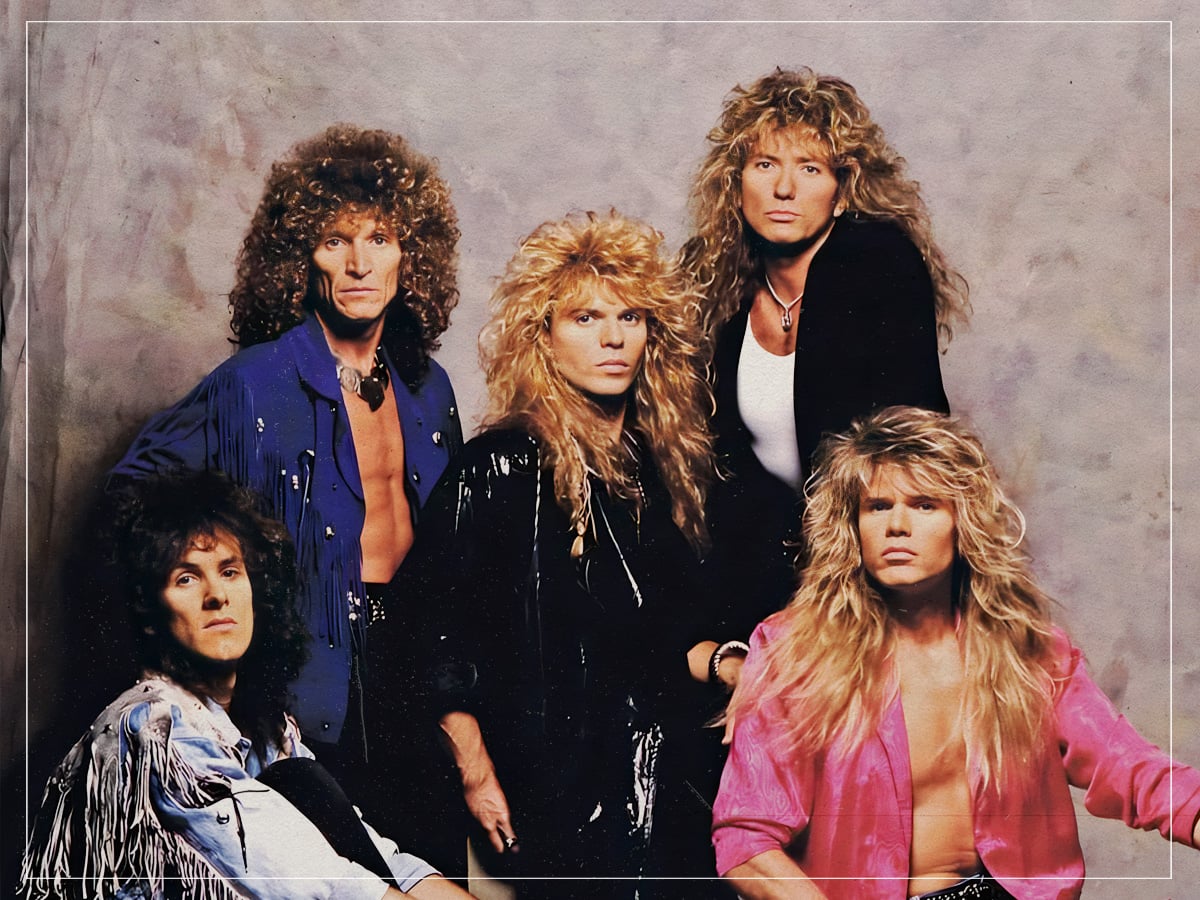
Bernie Marsden
Some three years later, the guitar went through yet another transaction from Verrico to Bernie Marsden of the band Whitesnake, where he worked with former Deep Purple band leader David Coverdale to create many of the group’s biggest hits, including ‘Fool for Your Loving’ and ‘Ready an’ Willing’.
Whether he conceived of these tunes on the specific Gibson Les Paul is another matter, because Marsden then sold it on to Mike Jopp, formerly of the jazz rock band Affinity, for the princely sum of £450.
2006
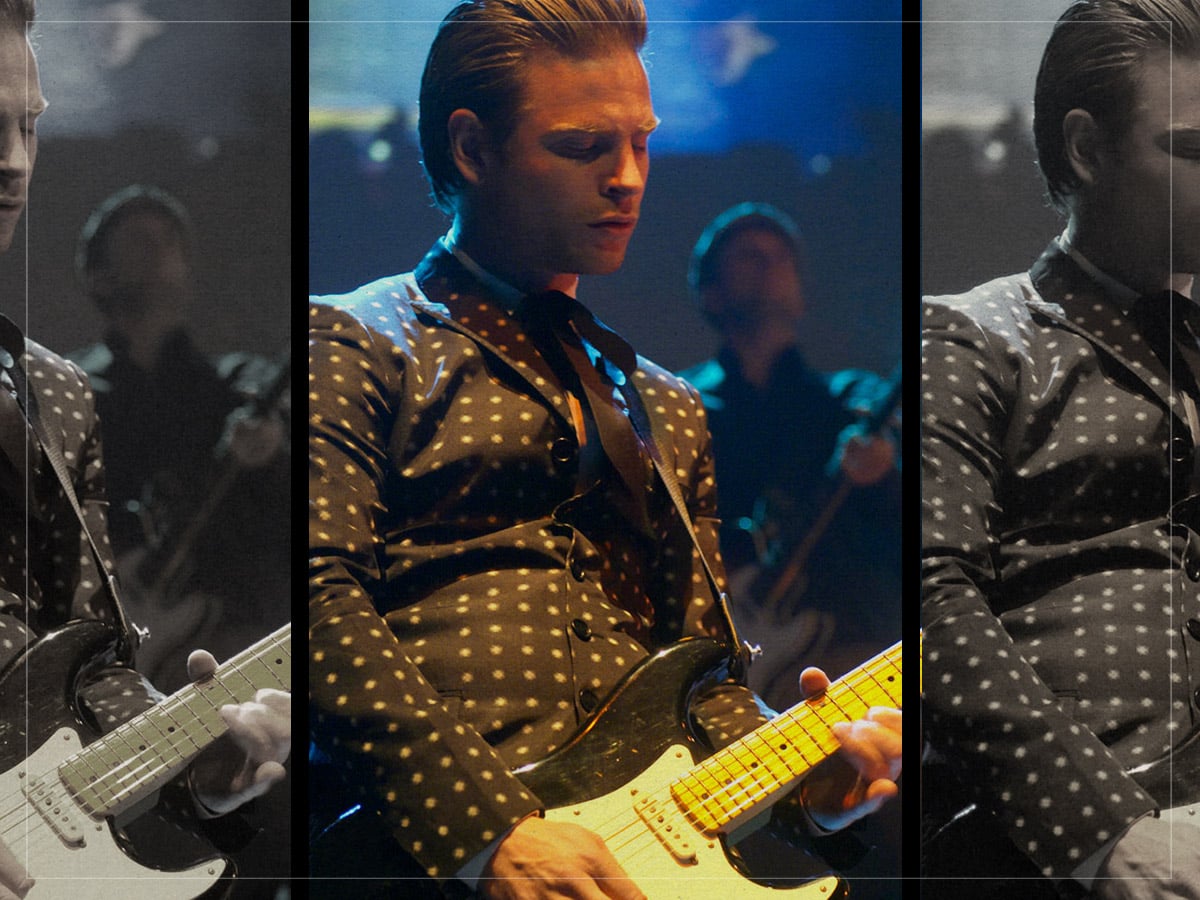
Peter Svensson
We have to take a major time jump of over three decades at this point, which admittedly isn’t the greatest detective work, but it’s simply not known what happened to the guitar before the mid-2000s.
Perhaps it remained in Jopp’s private ownership all that time, but it then resurfaced in 2004 at auction, where it failed to sell after not reaching the required price.
Subsequently, two years later, it was bought by businessman Peter Svensson, who took care of it for a decade.
2016
Dirk Ziff
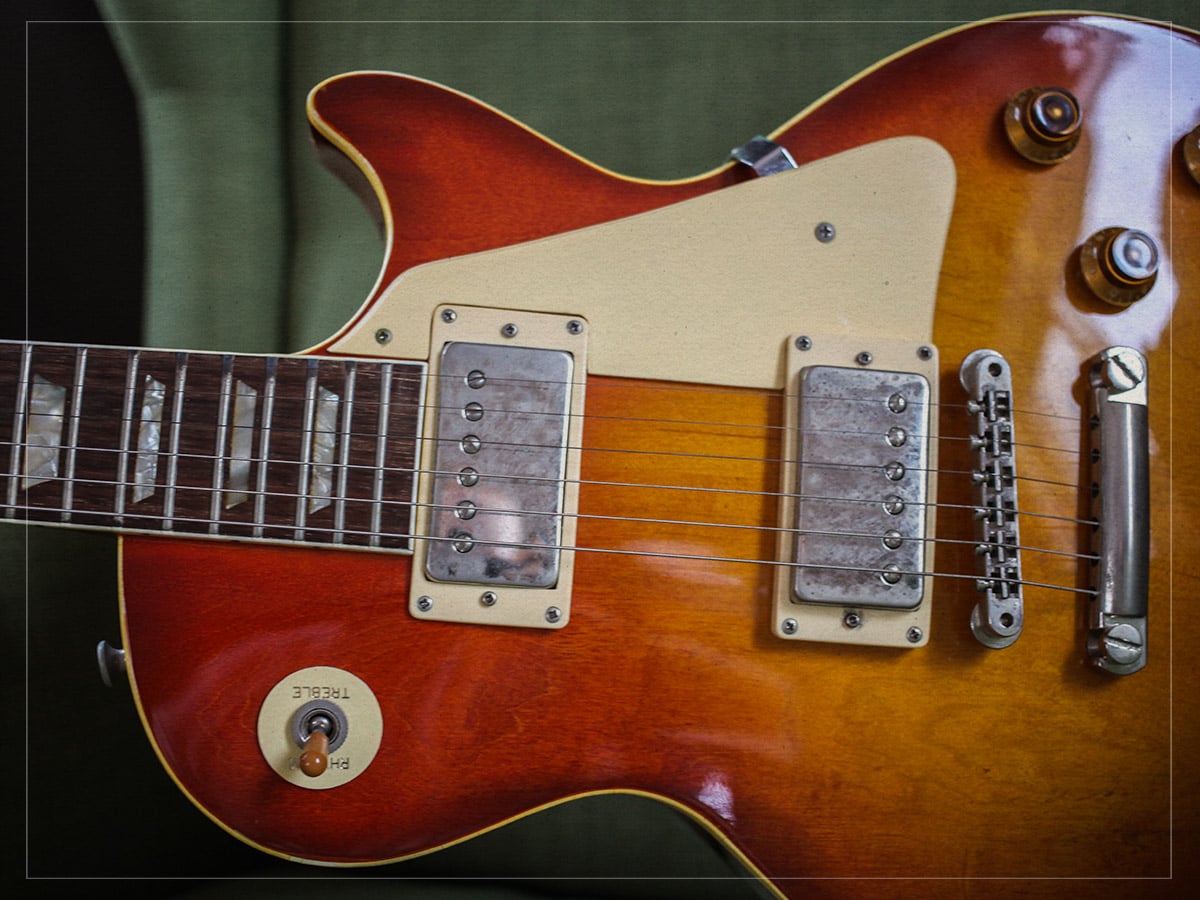
Billionaire businessman Dirk Ziff, responsible for inheriting his family’s publishing empire, is listed as the guitar’s most recent owner, and is responsible for handing in the wanted property to The Met Museum in New York.
Presumably he just bought it because he is a fan of classic guitars, and perhaps through the grapevine gathered an inkling of this particular model’s history, but he could have never imagined the controversy that he would cause next.
2025
The Met Museum
That’s why, when the guitar was handed in to the museum for the purposes of its seismic exhibit this year, the inclusion of the 1959 Gibson Les Paul caused quite a stir – not least from Taylor’s team, who are quite apoplectic.
But how does a stolen guitar manage to resurface and survive on so many occasions over the course of its lifetime?
The answer is that nobody truly knows.
