


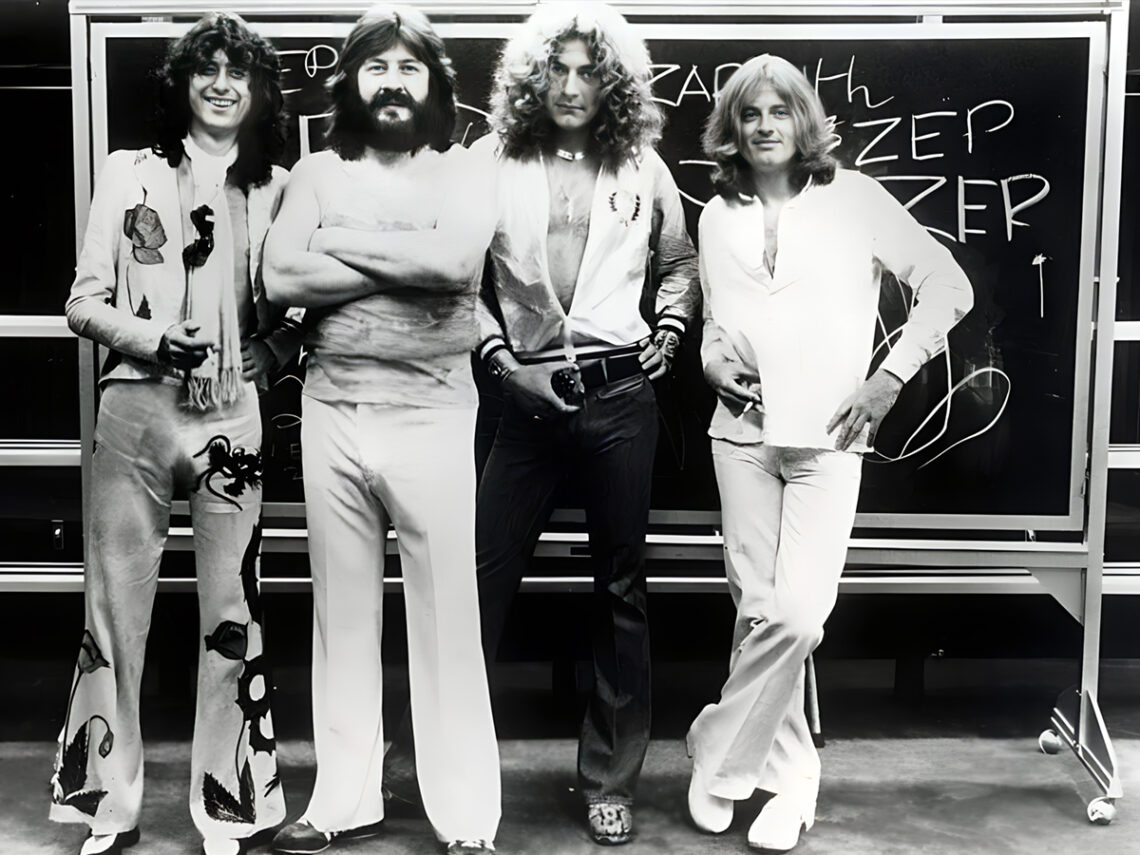
Eddie Kramer once fell out with Led Zeppelin over Indian food

The second album by Led Zeppelin, aptly named Led Zeppelin II, stands as a paramount force in shaping the course of musical history. Over its 41-minute duration, the band exhibited a departure from their primarily blues-infused sound, venturing toward the enigmatic enormity that would eventually define them.
Unveiled in 1969, this album boasts an array of their most cherished tracks, including ‘Ramble On’, ‘Moby Dick’, and ‘Whole Lotta Love’. Musically, it captures the essence of the band’s transition from the fading 1960s into the burgeoning 1970s and is widely recognised as a true canon of the hard rock and metal genres.
The album’s writing and recording phases unfolded amid a whirlwind era for the band. Formed within the timeframe of January to August 1969, these creative endeavours coincided with Led Zeppelin’s completion of three American and four European tours.
Therefore, every track underwent recording, mixing, and production across an assortment of studios in both the UK and America. This process distinctly demonstrated an unparalleled level of spontaneity in record-making, with no precedent or subsequent instance of an album being so organically shaped while constantly on the move.
As producer and director of engineering, Eddie Kramer, along with Jimmy Page, forged a crucial element of the band’s earlier sound, despite Kramer being adamant that all credit went to Page. In 2008, Kramer told Classic Rock: “We cut some of the tracks in some of the most bizarre studios you can imagine… but in the end it sounded bloody marvellous… there was one guy in charge, and that was Mr. Page.”
However, despite their initial camaraderie, Kramer’s and Page’s relationship became strained the following year. “With Zeppelin, it became a battle because they started to come into the studio with such an attitude,” Kramer said in 2003. Things became increasingly rockier at Electric Lady – the New York creative lab Kramer had designed with Jimi Hendrix – when the band decided to trash the studio.
“The band ordered some Indian food and a whole bunch of it spilled on the floor,” Kramer said. “I asked the roadies to please clean it up. The studio was brand new and I had a lot of pride in it. Suddenly [Led Zeppelin] are yelling, ‘You don’t tell our roadies what to do!’ And they pulled out; they left, and I didn’t speak to them for about a year!”
While Kramer wasn’t invited back for Led Zeppelin IV, they did call him back for their fifth album “as if nothing happened”. Despite its ups and downs, the album became a legendary contribution to rock and roll, featuring some of their most pivotal compositions. Demonstrating considerable foresight and a daring spirit, they pursued their distinct creative path and effectively filled the void that had been left by The Beatles, subsequently guiding the trajectory of countless others who sought to emulate their approach.
A significant portion of this transformation can be credited to the impact of ‘Whole Lotta Love’ – its unprecedented sound marked a whole new uncharted territory in music history.

Never Miss A Beat
The Far Out Led Zeppelin Newsletter
All the latest stories about Led Zeppelin from the independent voice of culture.
Straight to your inbox.