


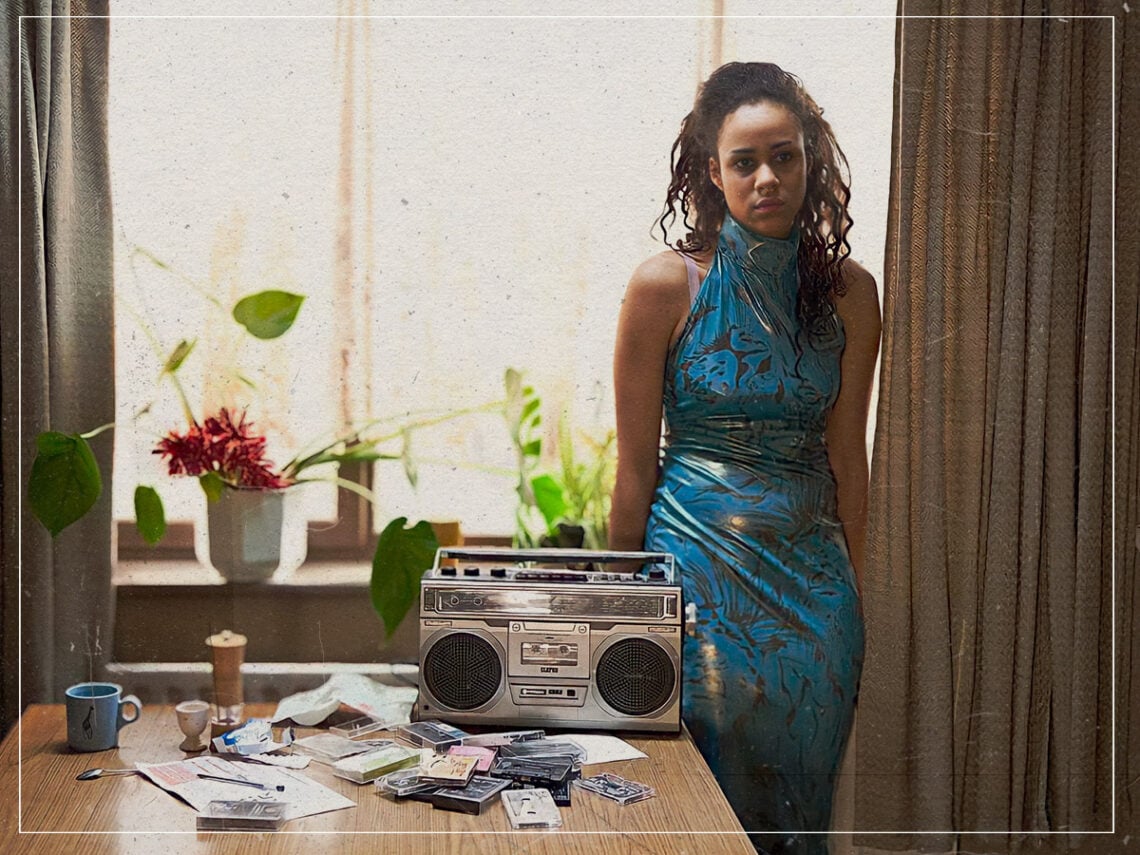
‘Dreams of a Life’: the British documentary that picks apart existential loneliness

There’s a deep power to the medium of documentary film in how it possesses the ability to dive far into the darkest recesses of the human experience and examine the more harrowing parts of our existence. In terms of British documentaries, there are few works more haunting than Carol Morley’s 2001 drama-documentary Dreams of a Life, released by Dogwoof Pictures.
Morley’s work is an introspective journey into the strange life and tragic death of Joyce Carol Vincent, a woman whose dead body was found in her London apartment in 2006, some two years after she had passed away. Vincent was discovered surrounded by still-wrapped Christmas presents, with the television continuing to emit its ever-changing light into the living room.
Seeing as two years of decomposition had taken place and that Vincent was, therefore, merely skeletal remains by the time she was found, Morley’s film is all the more essential. The director uses a series of interviews with Vincent’s friends and acquaintances, as well as archival and re-enactment footage, to explore the kind of loneliness and isolation that her subject was likely to have faced.
Morley had been attracted to Vincent’s story after reading a newspaper article of her death that failed to give away any personal details, and she spent the next five years contacting people who may have known Joyce on an intimate basis. Astonishingly, many of the people whom Morley got in touch with had not even known that Vincent had passed away, further proof of her isolation.
As the film progresses, Morley reveals a portrait of Vincent, whose life is pieced together through fragments and memories of her former loved one. She’s shown to be a vibrant and happy woman with a head for dreaming and aspiration but with a heart weighed down by mental complications and unaddressed trauma, at which point Morley dives further into the imperative for examining such ills.
The audience can connect with Vincent on a deeper level through Morley’s immersive mode of storytelling. The intimate and sometimes harrowing interviews and the moving re-enactments urge viewers to consider the inner workings of Vincent’s life, as well as the increasingly distant memory of caring communities and how they led to her tragic death.
Morley effortlessly raises thought-provoking questions through this very strange case of life and death, prompting us to interrogate our views of memory and identity. The story of Joyce Carol Vincent is one that reminds us of the internal struggles that so many of us face without another soul knowing otherwise and urges us to increase our connections with such societal figures.
In sum, Dreams of a Life is a wonderful yet haunting work of documentary that pulls at the threads of existential loneliness, made all the more harrowing by its real-life events. By exploring the life of Vincent, Morley brings her audience along for a journey of introspection, and we dive headfirst into the abyss of loneliness, hopefully coming out the other side with a better understanding of ourselves and those who surround us.
