


The movie mogul who almost ended Don Siegel’s directing career before it began

Don Siegel may not be a household name in the same way that directors like Stanley Kubrick or Alfred Hitchcock are, but he’s responsible for a number of classics that changed Hollywood’s approach to genre storytelling, and once was almost cast out of the industry due to a dispute with the head of Warner Bros.
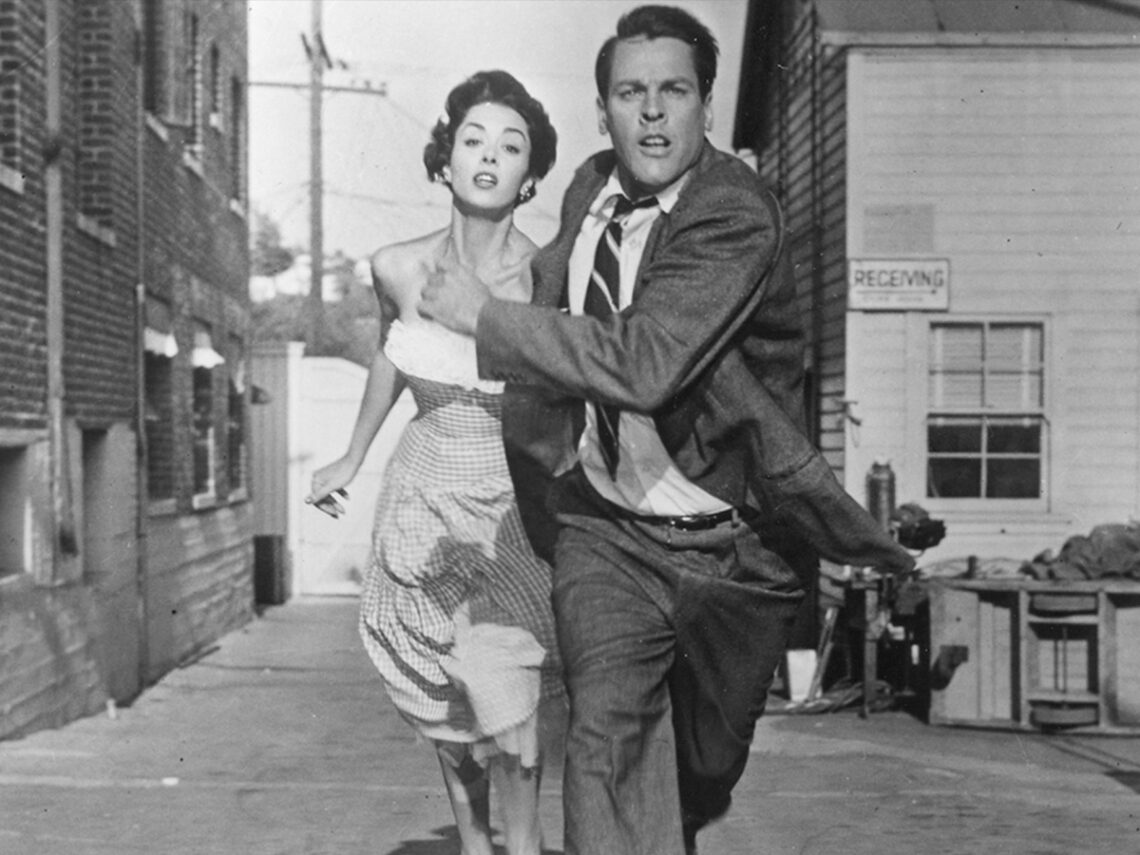
Although it was his 1956 science fiction thriller Invasion of the Body Snatchers that perfectly captured the tension of the ‘Red Scare’ during the Cold War, he would become most synonymous with the westerns he made with Clint Eastwood.
Eastwood may have become an international star thanks to his performance in The Man With No Name trilogy of spaghetti westerns with director Sergio Leone, but Siegel had the foresight to cast him in the gritty crime thriller Coogan’s Bluff, and with his confidence in Eastwood’s acting abilities, the two made several films together thereafter, including Dirty Harry, which spawned four sequels.
It’s safe to say that without Siegel, Eastwood would have never become a director and classics like Unforgiven, Pale Rider, Million Dollar Baby, and Mystic River would have never been made; however, the former got dangerously close to destroying his career due to a feud with Warner Bros, his primary employer at the time.
“I was at Warner Brothers, and I hadn’t worked in 14 months because I refused to sign a contract to direct, which started at 300 dollars a week,” Siegel lamented in an interview with Peter Bogdanovich for Who The Devil Made It.
“I had two and a half years to go on my contract, and I thought I would work it out, but I wouldn’t sign a new one,” he continued, “So I had a very serious disagreement with Jack Warner, so serious he laid me off immediately for three months and brought me back for one day, took out my option and laid me off for three months with no pay, and that was only the start.”
Siegel’s anger at the situation led him to take drastic actions in order to get under Warner’s skin. Although he felt that it was an insult to be hired as an assistant director, he took to his duties by hiring as many extras as he could and having them work double time. It was only after Warner invited him to his office with the promise that “all the past water was under the bridge” that he got an opportunity more befitting of his talents.
Warner tasked Siegel with directing a short film, which he saw as another opportunity to make an expensive, avant-garde project that would ruffle the studio’s feathers, but then his creative instincts got the better of him when his biblical short film, Star in the Night, ended up winning an Academy Award.
The audacity that Siegel showed in the face of potentially being fired is one of the qualities that stuck with him for the rest of his career. Even when tasked with directing films that were seemingly beneath him, he would often over-deliver, such that John Wayne’s final western, The Shootist, became a deeply moving, deconstructive thriller about the reign of one of the nation’s most prominent movie stars, proving that Seigel’s willingness to bet on himself is, without a doubt, one of the reasons he was so successful.
