


Dogme 95: Lars von Trier and Thomas Vinterberg’s cinema experiment

In the mid-1990s, the Danish filmmakers Lars von Trier and Thomas Vinterberg felt that the original values of cinema had been abandoned in favour of the movie studios in both Hollywood and Europe. Eventually, they decided enough was enough and formed the Dogme 95 Collective.
Von Trier may be best known for his films like Breaking the Waves and Melancholia, with Vinterberg perhaps memorable for his efforts such as The Celebration, Submarino, The Hunt, Far From the Madding Crowd and Another Round, several of which star Mads Mikkelsen.
Prior to the release of most of those movies, von Trier and Vinterberg created and signed the Dogme 95 manifesto, which aims to generate films based solely on the classic means of storytelling and acting whilst eschewing the then-modern conventions of special effects and technology.
Dogme 95 was announced at a cinema conference in Paris, where several figures from the film industry had come to celebrate 100 years of the medium. Von Trier had been invited to discuss the future of cinema when he showered the attendees with Dogme 95 manifesto leaflets.
The movement embodies a “purification” of filmmaking by rejecting expensive production techniques and over-modification through post-production. At the core of Dogme 95 films is a focus on storytelling and the actual performance of the actors, with the reasoning that audiences will be less distracted from the narratives and directors will have more control over their films.
Upon signing their allegiance to the Dogme 95 Collective, filmmakers make the following statement: “I swear as a director to refrain from personal taste! I am no longer an artist. I swear to refrain from creating a ‘work’, as I regard the instant as more important than the whole. My supreme goal is to force the truth out of my characters and settings. I swear to do so by all the means available and at the cost of any good taste and any aesthetic considerations. Thus, I make my vow of chastity.”
Von Trier’s Breaking the Waves from 1996 was considered the big inspiration for the movement, even though it actually breaks some of the rules. Vinterberg’s 1998 movie Festen is the first Dogme film, while Harmony Korine’s Julien Donkey-Boy is the first to be made outside of Europe.
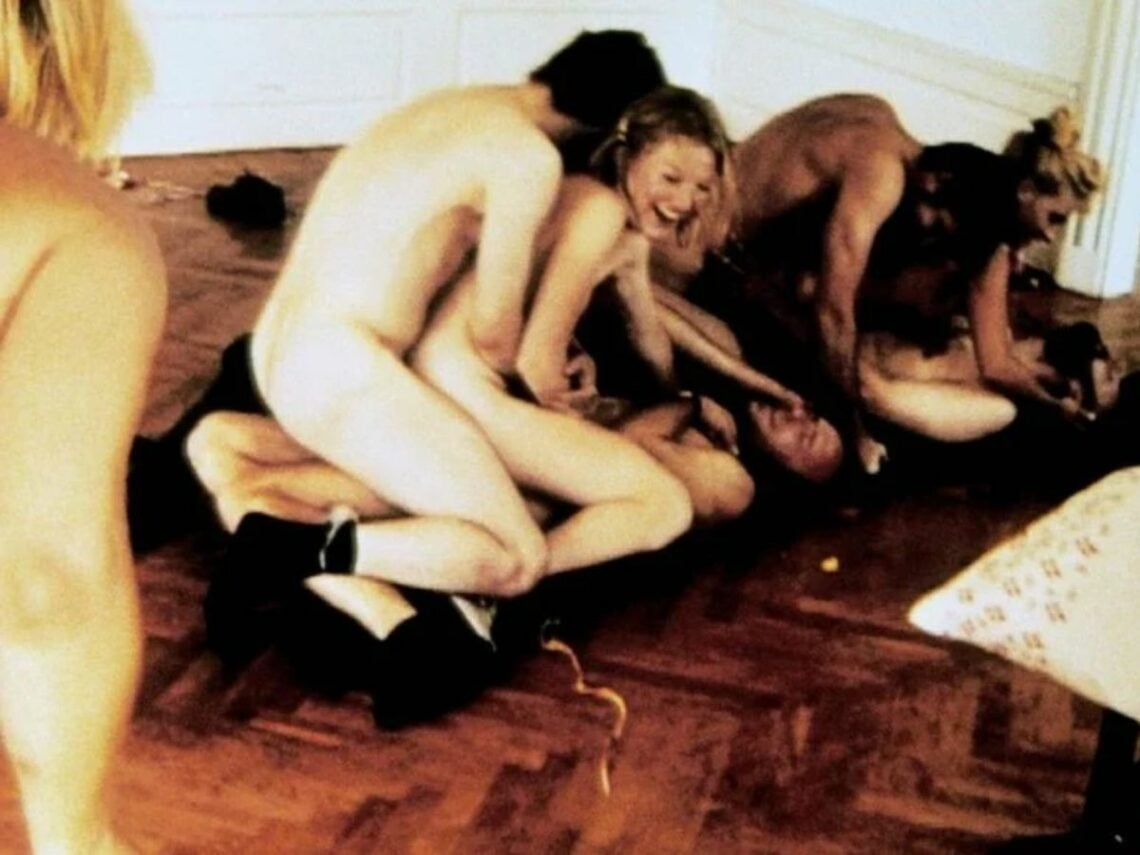
The Dogme 95 movement was abandoned in 2005, but up until that point, there were 35 movies released officially considered in line with the manifesto, although there were moments in some of them that did bend the rules somewhat, including Festen, Julien-Donkey Boy and von Trier’s The Idiots.
Read the rules or ‘Vows of Chastity’ for the Dogme 95 movement below:
- 1. Shooting must be done on location. Props and sets must not be brought in (if a particular prop is necessary for the story, a location must be chosen where this prop is to be found).
- 2. The sound must never be produced apart from the images or vice versa. (Music must not be used unless it occurs where the scene is being shot.)
- 3. The camera must be hand-held. Any movement or immobility attainable in the hand is permitted.
- 4. The film must be in colour. Special lighting is not acceptable. (If there is too little light for exposure, the scene must be cut, or a single lamp be attached to the camera.)
- 5. Optical work and filters are forbidden.
- 6. The film must not contain superficial action. (Murders, weapons, etc. must not occur.)
- 7. Temporal and geographical alienation are forbidden. (That is to say that the film takes place here and now.)
- 8. Genre movies are not acceptable.
- 9. The film format must be Academy 35 mm.
- 10. The director must not be credited.
