


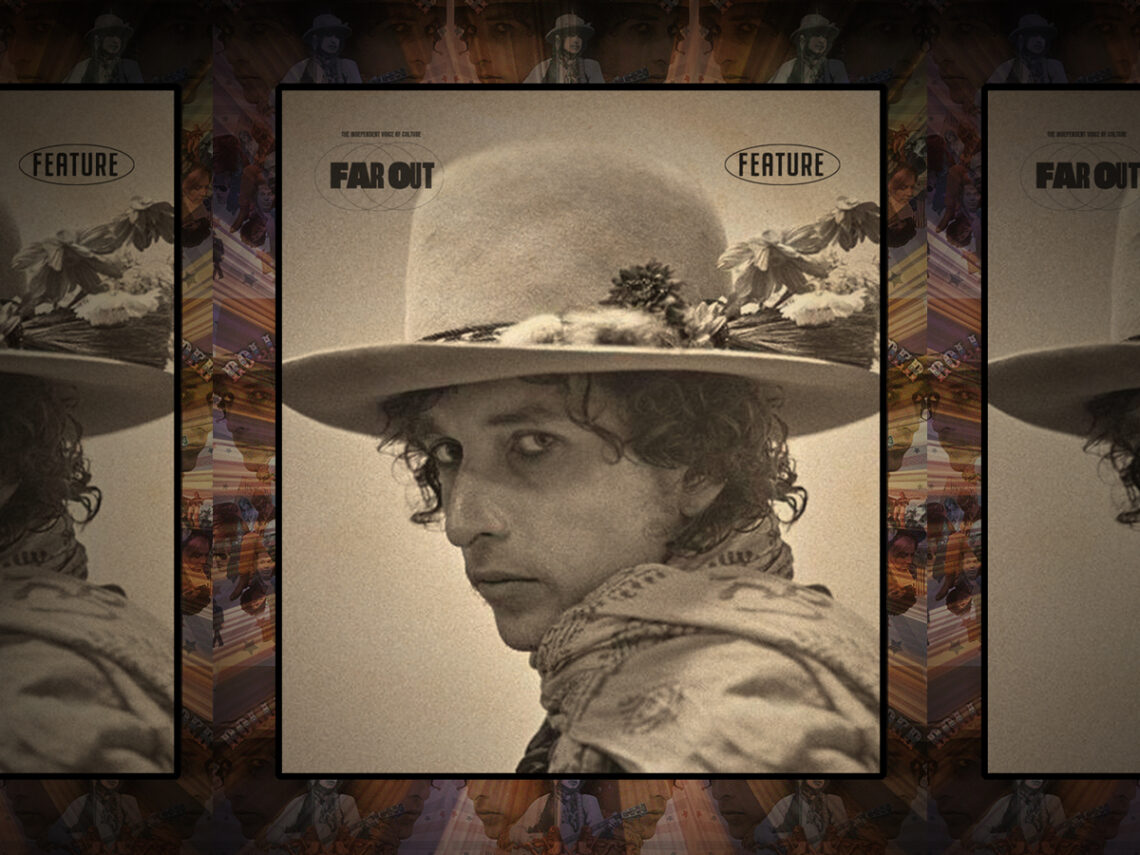
Does the divided world need a modern incarnation of The Rolling Thunder Revue?

With the music world increasingly dominated by stadium or arena dates, dynamic ticket pricing, and corporate encroachment on grassroots communities, the joint yearning between artist and fan for a closer live engagement can feel more urgent than ever.
It’s a pernicious threat Bob Dylan had wised to 50 years ago. As the mid-1970s arrived, Dylan inhabited another realm of commercial stature from the days of ‘Blowin’ In the Wind’ amid Greenwich Village’s folk revivalism, having stormed through his electric years and country roots rock to stand as one of the era’s most celebrated songsmiths. By 1974, Dylan embarked on a two-month tour of North America with old favourites The Band, playing Canada and the US’ biggest venues and tickets available via mail order.
Yet, Dylan’s intuition could sense stardom pulling him away from his roots, wavering on the lofty pedestal that can remove an artist from staying grounded and performing sharply. Seeking a more intimate affair with his fans, the following year’s Rolling Thunder Revue saw Dylan assemble a roll call of guests and collaborators, including Joan Baez and Mick Ronson, and playing the continent’s smaller music halls, auditoriums, and university venues in his efforts to scale down operations and “play for the people”.
Dropping 1976’s Desire in between the tour’s two main legs, Rolling Thunder Revue would stand as a notable chapter of Dylan’s story, albeit critically mixed. The live Hard Rain document was generally deemed to lack the energy of the tour’s earlier dates, and its associated NBC television special too, was met with a lacklustre response. Years later, in 2019, Netflix’s Rolling Thunder Revue: A Bob Dylan Story by Martin Scorsese sought to resurrect the mythology and fabled reputation the tour had garnered before running out of steam in 1976.
It was a different age, a time when album sales could generate a substantial revenue to fund such a low-key tour yet still boast an illustrious assemblage of musicians. With even some of contemporary music’s biggest names subsisting solely on live shows and merchandise, the overhead costs demanded by even a simple national tour of the UK mean it’s just not financially viable to “play for the people” outside the big stages managed by corporate behemoths like Live Nation.

As we recently discussed in our investigative report on the collapse of UK touring artists, many corners of the country are struggling with even regional independent bands playing too far afield, navigating a devastating cost of living, a threadbare social safety net, and a venue ecosystem threatened by parasitic landlordism.
It’s not a solution, but one can’t help but long for an act that can headline Glastonbury’s Pyramid Stage or sell out Wembley in minutes to pursue their own Rolling Thunder Revue, both to help pull independent venues and arts centres outside the M25 from the brink of obliteration, as well as ensure that the nation’s live music industry is felt and enjoyed by communities across the country who’s been neglected by liberal cultural gatekeepers as much as uniparty arbiters of austerity.
A sour taste was left in the mouth of many an Oasis fan who gave up chasing their 1990s youth after tickets costing in excess of hundreds and snapped up in no time. Countering such a drably commercial bubble-burst to their place in working-class cultural history could have been realised with an additional set of dates across the nation’s remoter areas made possible by the eye-watering profits the Gallaghers have no doubt enjoyed to bring an urgent boost to the venues that made them who they are.
Bristol’s The Fleece, Kingston upon Hull’s The New Adelphi Club, and Sheffield’s The Leadmill, before its tragic closure last June, which hosted Oasis during 1994-’95’s Definitely Maybe Tour would have been a sensational setting for one of the UK’s most lauded names pushing the independent venue to the fore of the music industry’s attention. It doesn’t rest on one band, nor can it solve the barren climate wrought from decades of neoliberal dogma, but Dylan’s Rolling Thunder Revue still points the way for the artists who’ve made it to use their standing and fame to help the grassroots communities they owe everything to.

Never Miss A Tale
The Far Out Bob Dylan Newsletter
All the latest stories about Bob Dylan from the independent voice of culture.
Straight to your inbox.