


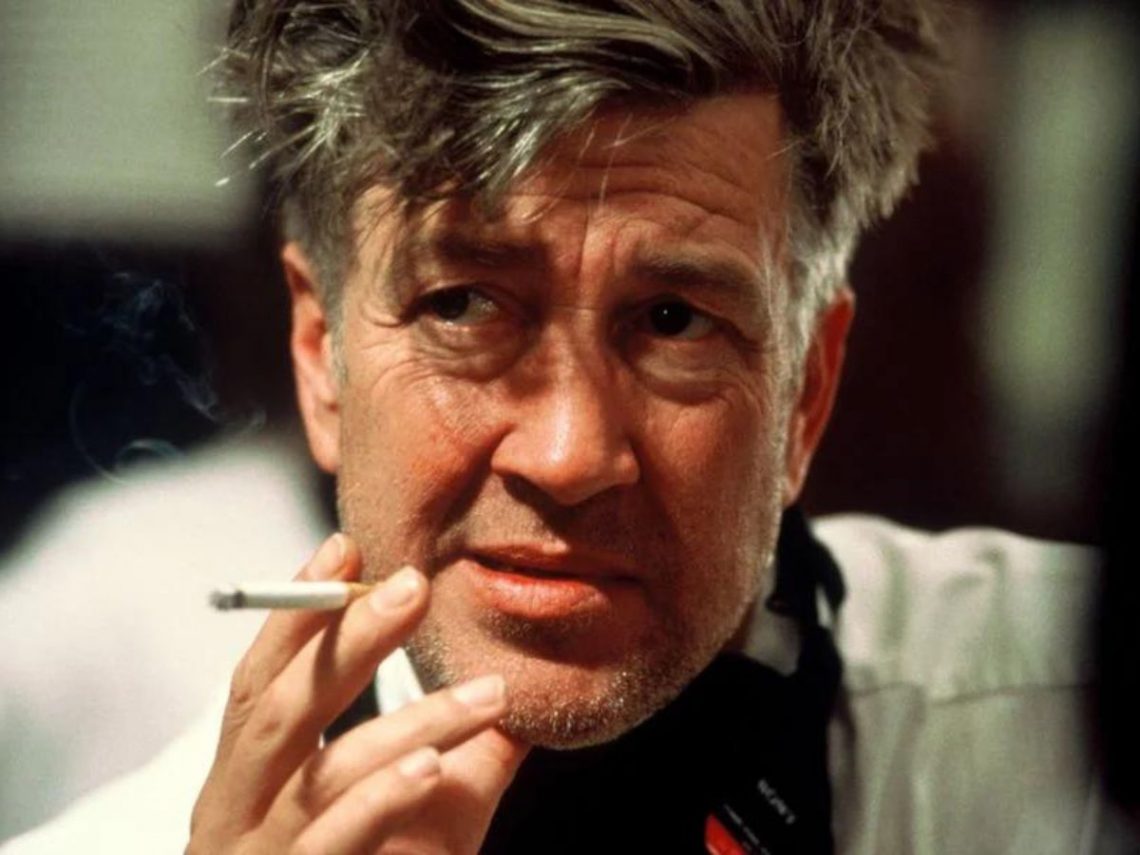
From David Lynch to Quentin Tarantino: Iconic directors pick their five favourite songs

One thing that can elevate a movie’s text and help tie all the cinematic and visual elements together is a good soundtrack. Music is key, and in some regards, an underrated film component that transcends script, camerawork and performances, shown in the work of Quentin Tarantino and others. With this, a director or writer’s own personal music taste bleeds into their visual work, causing audiences to wonder what a particular director’s favourite songs are.
A director’s music taste and playlists can inspire their films’ tones, characterisation and stories. Additionally, filmmakers can celebrate and pay tribute to their favourite artists by including their work in a movie’s significant moments, crossing two expressive and entertaining mediums.
Shared values and distinct eras can also shape a director’s music taste, echoing the periods and concepts they explore in their visual features. A well-placed song in a movie makes for a vivid understanding of the director’s other favourite creative outlets outside of filmmaking, helping to build a solidified artistic brand that understands how dynamic mediums complement one another.
Including pop culture icons, indie filmmakers and directors inspired by art movements, here are five directors’ five favourite songs.
Iconic directors’ favourite songs:
Quentin Tarantino
The Kill Bill director has made an artistic imprint on American cinema through his graphic yet stylistic features that thrive off pre-existing pop culture while influencing future trends. The music in his movies is crucial, becoming just as iconic as the image of Mia Wallace smoking on a bed or the snappy dialogue between mob bosses around a cafe table.
One of Tarantino’s most effective uses of music from a scene is from Reservoir Dogs. Michael Madsen’s Mr Blonde ties a police officer, played by Kirk Baltz, to a chair and plays Stealer Wheelers’s ‘Stuck in the Middle with You’. After performing a dance improvised by Madsen, Mr Blonde brutally cuts off the officer’s ear, taunting him as he screams in agony. Other infamous music scenes involve Pulp Fiction’s ‘You Can Never Tell’ by Chuck Berry for a twist dance contest and ‘Bang Bang (My Baby Shot Me Down)’ by Nancy Sinatra in Kill Bill: Vol 1. The director’s personal music taste echoes the choice of songs that set his sequences alight with magnificent and electric energy, including several classics.
“One of the things I do when I am starting a movie, when I’m writing a movie or when I have an idea for a film is, I go through my record collection and just start playing songs, trying to find the personality of the movie, find the spirit of the movie,” the director explained. “Then, ‘boom,’ eventually I’ll hit one, two or three songs, or one song in particular, ‘Oh, this will be a great opening credit song.'”
Quentin Tarantino’s five favourite songs:
- Nancy Sinatra -‘Bang Bang-My Baby Shot Me Down’
- Harry Nilsson – ‘Coconut’
- Isaac Hayes – ‘Run Fay Run’
- Luis Bacalov and Rocky Roberts – ‘Django’
- Luis Bacalov and Edda Dell’Orso – ‘Lo Chiamavano King (His Name Is King)’
David Lynch
David Lynch is one of the visual surrealist masters, creating many perplexing yet artistic works that remain staples in western filmmaking. The director’s choice of music works with compelling visuals to transcend the artistic merit for audiences, including Nicolas Cage performing ‘Love Me’ by Elvis Presley in Wild at Heart and David Bowie’s ‘I’m Derranged’ in Lost Highway.
During an interview with Pitchfork, Lynch shared the music influencing his art and emotional reactions: “There was Janis Joplin with Big Brother and the Holding Company doing ‘Ball and Chain,’ Jimi Hendrix’s ‘Wild Thing,’ and there was Otis Redding. When I hear those three things, it just drives me crazy how great they are.”
David Lynch’s five favourite songs:
- The Platters – ‘My Prayer’
- Paris Sisters – ‘I Love How You Love Me’
- Booker T & The M.G’s – ‘Green Onions’
- Otis Redding – ‘I’ve Been Loving You Too Long
- Big Brother and The Holding Company – ‘Ball and Chain’
John Waters
Master of the transgressive cult film, director and artist John Waters is most known for his black comedies Multiple Maniacs, Polyester, Pink Flamingos and Female Trouble. His work isn’t for the faint-hearted, as extreme and graphic portrayals of sex, violence, and absurdity infiltrate every line and shot. However, his music choice fits in with his characters and themes, such as Pink Flamingos showcasing ‘I’m Not a Juvenile Delinquent’ by Frankie Lymon and The Teenagers and ‘Demented Forever’ by Karen McMillian appearing in Cecil C. Demented.
The director shared his views on the idea of good or bad music tastes with The Line of Best Fit, stating: “Well, you can’t have bad taste in music if you like it, basically. There is bad music I used to make fun of and always outraged people. I used to say, ‘why is gay music so bad?’ It’s gotten better. I hated disco in the beginning. I was a punk rock boy; we made fun of it.”
He added: “But now I like some disco. You know, I always liked The Rolling Stones way more than The Beatles, and I liked Otis Redding way more than any of them. Even my musical tastes were not musically correct. I didn’t listen to music for a while until the Sex Pistols came along. And then I changed, and I came back to contemporary music, and I still host a punk rock festival every year in Oakland. It’s pretty great.”
John Waters’s five favourite songs:
- Clarence ‘Frogman’ Henry -‘Ain’t Got No Home’
- Elton Motello – Jet Boy Jet Girl’
- The Ikettes – ‘I’m Blue’
- Billy Myles – ‘The Joker (That’s What They Call Me)’
- Paul’ Fat Daddy’ Johnson – ‘Fat Daddy’
Greta Gerwig
Through her solemn and raw depictions of American adolescence, Lady Bug, and classic literature adaptation, Little Women, Greta Gerwig is becoming a quintessential indie and sentimental filmmaking figure. The director utilises costume, colouring and camerawork to capture a moody yet powerful overlay, with music tying everything together effortlessly. Meanwhile, Gerwig’s personal music taste includes iconic women in music and 1980s electronic sounds.
The director has shared the importance of music in her creative process, placing it as an effective tool in getting a feature from her mind to the page. “I listen to music when I write,” Gerwig explained. “Not all the time, but I find writing to be quite isolating at times because it feels like all the kids are outside playing, and you have to stay inside and work, and it can be lonely, she confessed, naming Brian Eno’s ‘Lay My Love’ for her final track”.
Greta Gerwig’s five favourite songs:
- Kate Bush – ‘Hounds of Love’
- Bob B. Soxx & the Blue Jeans – ‘Zip-a-Dee-Doo-Dah’
- Judee Sill – ‘The Pearl
- Laurie Anderson – ‘Baby Doll’
- Brian Eno – ‘Lay My Love’
Wes Anderson
Wes Anderson employed the eccentric and symmetric style to cement himself as one of cinema’s most creative and distinguished auteurs. The filmmaker’s greatest works include Fantastic Mr. Fox, The Grand Budapest Hotel and Isle of Dogs. His other works, such as Rushmore and Bottle Rocket, showcase some of his favourite songs.
Anderson’s composer, Randall Poster, spoke with Vice about how music helps with the director’s innovative film vision. “I think with Rushmore, the idea was to pick some of the lesser-known bands of the British invasion,” he explained. “Wes always talks about how those guys would wear coats and ties on the cover of their records but that the music was so aggressive and rebellious.”
He added: “I think that corresponded to Max Fischer because he was this kid who, underneath it all, was looking to break through. The music speaks to his character, who is out of time with the world, and I think that’s a running theme in our movies, and you can see it with M. Gustave in Grand Budapest Hotel, who is holding on to a more mannered, genteel era.”
Wes Anderson’s five favourite songs:
- The Rolling Stones – ‘2000 Man’
- Faces – ‘Ooh La La’
- Nico – ‘These Days’
- Seu Jorge – ‘Rebel Rebel’
- The Kinks – ‘This Time Tomorrow’

Never Miss A Take
The Far Out Quentin Tarantino Newsletter
All the latest Quentin Tarantino content from the independent voice of culture.
Straight to your inbox.