


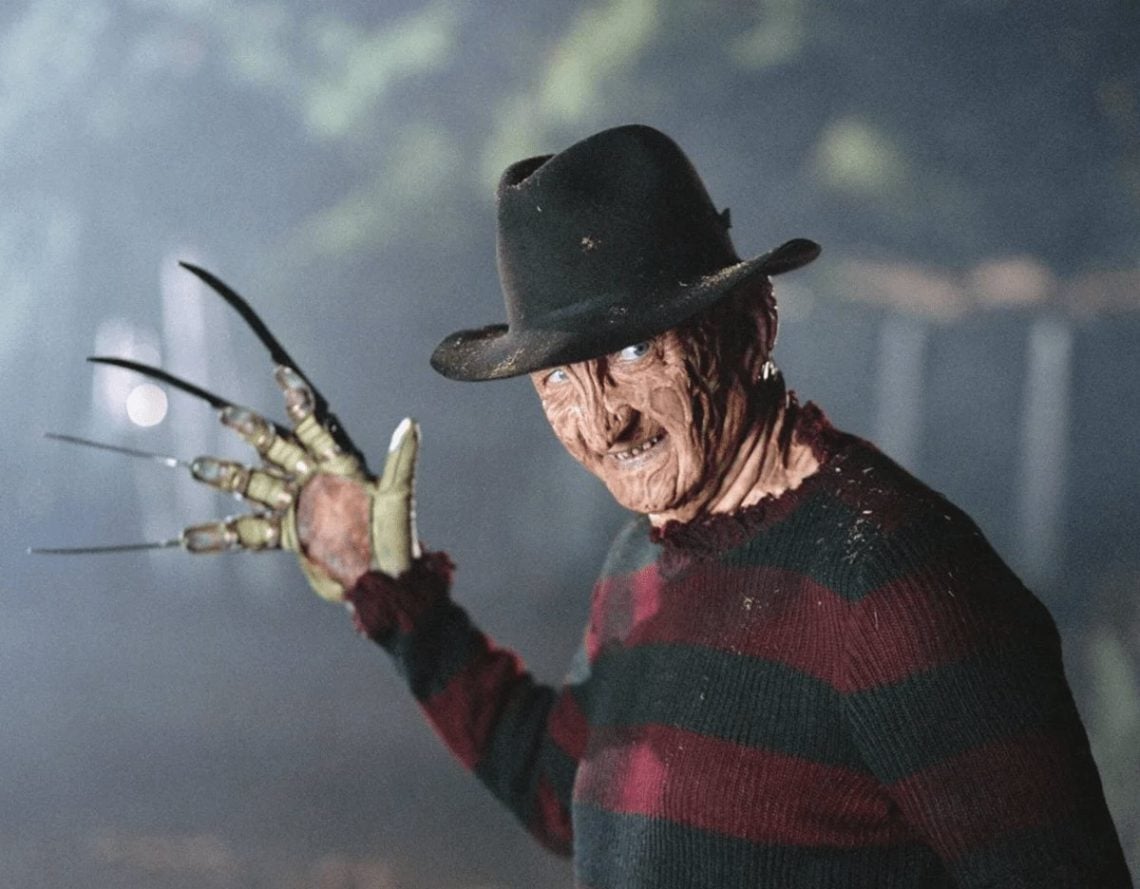
“I had a very specific approach”: the director who wanted Freddy Krueger to be the James Bond of horror

In terms of longevity, every character who acts as the focal point of a franchise would love to be James Bond. The suave secret agent has been at the forefront of pop culture for over 60 years, surviving repeated overhauls to remain as relevant as ever. That said, Freddy Krueger doesn’t jump out as somebody desperate to emulate 007.
Unlike the globetrotting spy, Krueger hasn’t fared too well with rejuvenation. The razor-gloved nightmare has appeared in nine movies and was played by Robert Englund in eight of them. When Jackie Earle Haley tried to replace him for the remake, the end result was a dismal failure that’s kept Freddy on ice for almost a decade and a half and counting.
Like many slasher sagas before it, A Nightmare on Elm Street quickly fell victim to formula. Wes Craven’s original remains a classic and one of the best horror flicks of the 1980s, but the freshness and ingenuity that defined the opening instalment quickly found itself running in short supply.
In theory, a terrifying villain who lives in the dream world and lures victims to their extravagant demises in a reality where nothing is off limits should have been a fountain of creativity. Instead, the property was coasting on fumes until Craven himself shook things up with the delightfully postmodern and self-referential New Nightmare.
That was the seventh entry to date and the best since the beginning, but Renny Harlin does at least deserve points for trying. 1988’s The Dream Master was comfortably the second-best Elm Street film at the time, with the director taking things in a more blackly humourous direction to capitalise on Englund’s twisted charisma and Freddy’s popularity, which had far outstripped his inauspicious origins to certify him as a cultural force in his own right.
“I had a very specific approach when I did Nightmare on Elm Street, because I was a big fan of that franchise but felt like Freddy had become a bigger-than-life character,” Harlin told Filmmaker Magazine. “The movies really revolved around him and it was time to really be honest with the audience and make him the hero, even if he’s a child killer.”
Refitting a supernatural murderer into a hero was nothing if not ambitious, and turning him into the true focal point of the story and leaning on the audience’s familiarity and fondness was even more so. Harlin’s idea to the studio was, “Let’s make Freddy the James Bond of horror,” which makes more sense in practice than it does on paper.
Just like 007, Freddy was a world-renowned and instantly recognisable cinematic figure who was the one and only drawing card required to create, shoot, and market their next onscreen adventure. He didn’t need the gadgets, and he definitely didn’t get the girl – unless he killed them, of course – but A Nightmare on Elm Street‘s evolution into a showcase for Englund, first and foremost, was largely down to Harlin, with a hefty assist from Bond.
