


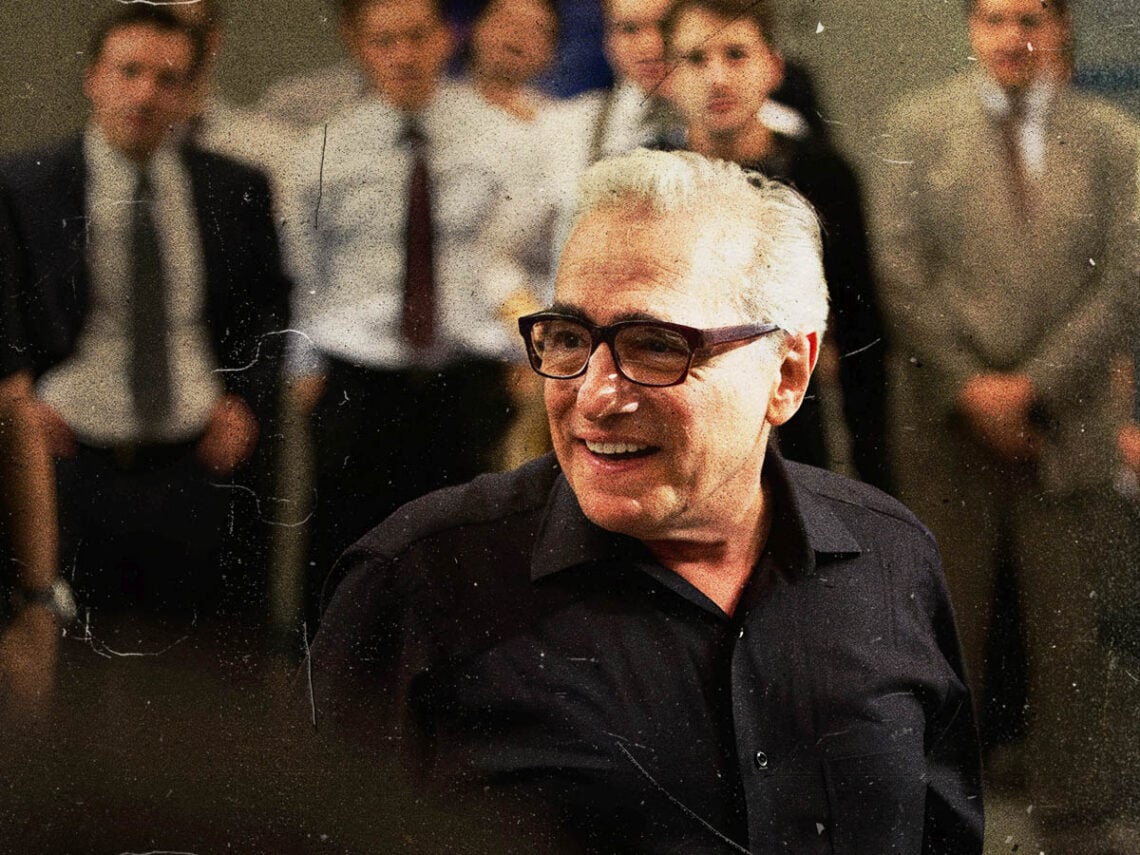
The director that helped Martin Scorsese “find purity again”

For over 50 years, Martin Scorsese has delivered some of the most mesmerising cinematic moments the world has ever known. Through the likes of Mean Streets, Goodfellas, Taxi Driver, Raging Bull and The Wolf of Wall Street, the New York-born auteur has consistently made good on providing some of the best films in cinema history.
While it can be said with great ease that Scorsese is one of the most influential directors of all time, he is also something of a cinephile, and as such, he also harbours deep inspiration from his fellow filmmakers, say, for instance, the likes of Akira Kurosawa, Ingmar Bergman and John Ford.
But one of the most interesting influences on Scorsese is the Iranian director Abbas Kiarostami. “When I see Kiarostami’s films, when I see The Olive Trees, when I see ABC Africa or Where is the Friends Home? or The Wind Will Carry Us or any of these pictures, the last section of Five, I find that purity again,” Scorsese once noted. “I found that I wanted to spend the time with the people in these films.”
“It was like a cleansing to spend time with the spirit of those films, those worlds,” Scorsese added. “The spirit of the artistry, which makes me see people in the world in a new, refreshing and hopeful way.” Evidently, the films of Kiarostami have had a significant effect on the personal life of his fellow director.
Kiarostami has been making films since the 1970s, but first earned significant critical acclaim for his Koker trilogy between 1987 and 1994, Close-Up, The Wind Will Carry Us and Taste of Cherry, the 1997 film that won the Cannes Film Festival Palme d’Or. His films often arrive in documentary-style formats, telling narratives that occur in rural parts of the world.
The big thing about Kiarostami for Scorsese, though, is how they detail the complex nature of purity through a very simple narrative and visual portrayal. “Simplicity, we talk about simplicity with Kiarostami, of course,” he said. “Purity being the key, but it’s not easy.”
Scorsese went on to point out a few of Kiarostami’s films that seem to epitomise that very complex simplicity, noting, “Many of Abbas’ features are complex. Taste of Cherry is very complex. Certified Copy, which is a beauty, is certainly complex, but they had to be peeled away to get to the essential core at the centre.”
