


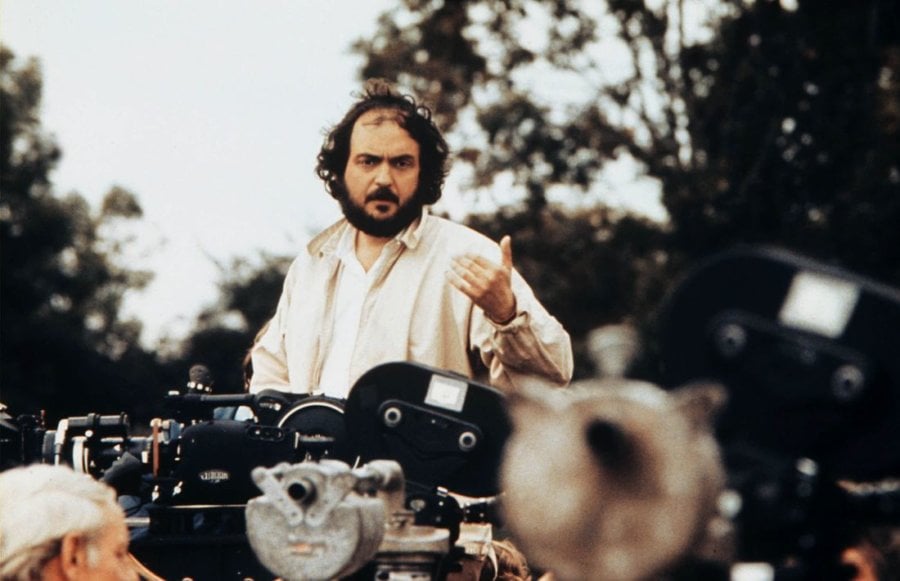
The director Stanley Kubrick rated as the “highest of all”

Name three of the best filmmakers of all time right now. Done? Chances are you’ve probably included Stanley Kubrick in there somewhere, and for good reason, too, with the American filmmaker having created some of the greatest films of all time, including 2001: A Space Odyssey, The Shining, A Clockwork Orange and Barry Lyndon, making him one of the most beloved movie minds of modern cinema.
Although he occupied the very height of the industry throughout the 1970s and 1980s, Kubrick was a famously secretive chap, often keeping the cards close to his chest as to the meaning behind his most confusing films, as well as other cinematic tricks. As a result, asking the filmmaker for some of the favourite movies of all time was like getting blood out of a stone, all too rarely discussing other films and directors.
Only once did Kubrick divulge and make a list of his top ten favourite movies, including such iconic filmmakers as Federico Fellini, Ingmar Bergman, Orson Welles, Charlie Chaplin and Laurence Olivier, with such respective classics as I Vitelloni, Wild Strawberries, Citizen Kane, City Lights and Henry V.
However, several iconic filmmakers are omitted from this list to the surprise of film fans worldwide, with Alfred Hitchcock, Akira Kurosawa and John Ford each missing out on a place on Kubrick’s illustrious favourites list. This certainly doesn’t remove such aforementioned names from the director’s most cherished filmmakers, however, naming one director who does not appear on the list as the “highest of all”.
In an early interview with Cahiers du cinéma in 1957, Kubrick referenced the celebrated German-French filmmaker Max Ophüls, stating: “Highest of all I would rate Max Ophüls, who for me possessed every possible quality. He has an exceptional flair for sniffing out good subjects, and he got the most out of them. He was also a marvellous director of actors”.
A distinctive pioneer of 20th-century filmmaking, Ophüls’ brief filmography is one dotted with rich innovation, championing complex smooth camera movements, crane and dolly shots, years before they would be mastered. The great European director’s successes came in his synthesis of elegant cinematography together with stories of romance, creating delicate melodramas that fluttered and danced with effortless elegance.
As a lover of European cinema himself, there’s no wonder that Kubrick is such a fan of Ophüls, with the American director utilising a similar revolutionary approach to style and form throughout his filmography. Such is self-evident in the innovative special effects used throughout 1968s 2001: A Space Odyssey and the ingeniously subtle lighting choices used in the making of the 1975 period drama Barry Lyndon.
Take a look at the trailer for Max Ophüls’ most celebrated movie, The Earrings of Madame De… below.
