


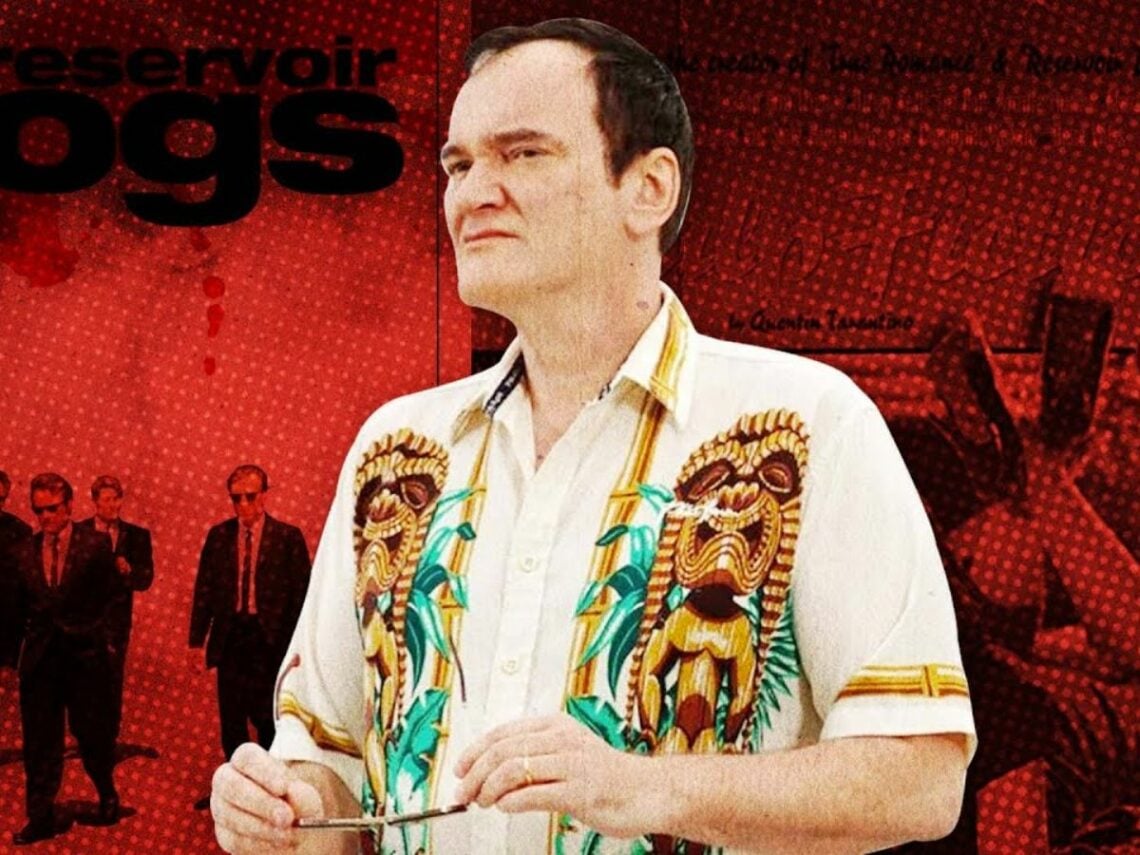
The director Quentin Tarantino referred to as “soul-shattering”

Throughout his career as a director, Quentin Tarantino has produced interesting gems, but more importantly, he has introduced cinematic masterpieces from different corners of the world to western audiences. Including the likes of Wong Kar-wai and Bong Joon-ho, Tarantino has routinely championed the works of talented filmmakers who deserve recognition everywhere. This is exactly why the Pulp Fiction director has become such a huge part of online cinephile culture.
Ranging from Hong Kong martial arts flicks to Japanese noir, Tarantino has always sought creative inspiration from the unlikeliest of sources. His films often function as interfaces through which audiences interact with various styles of filmmaking, featuring a special kind of hybrid vision that oscillates between the various frameworks of different genres. Although some viewers have accused Tarantino of stealing from other directors, it’s this multicultural background that makes his films fascinating.
One particular body of work that holds a special place in Tarantino’s heart is Filipino cinema. During an interview, the filmmaker spoke at length about the two major cinematic trends in the Philippines – highlighting the seminal works of national pioneers such as Lino Brocka alongside the undercurrents of the alternative, which were specifically made for western Audiences. This duality mesmerised Tarantino and got him hooked on Filipino cinema.
He said: “My relationship with Filipino cinema is that I find the movies beyond interesting; they’re fascinating. Nowhere else in movie history can you find this kind of cinema. There are two Filipino movie industries – the movies of Bernal, Lino Brocka, Tikoy, and the alternative film industry that produced the movies of Cirio Santiago not intended for the Filipino public, those war movies and vampire movies of Gerry de Leon and Eddie Romero made for American viewers. In this, Philippine cinema stands alone.”
While talking about his own relationship with Filipino cinema, Tarantino maintained that he will always be a student. According to the director, his journey with these brilliantly subversive gems from the Philippines is a lifelong one, and he intends to study these works until the very end. He added: “To further immerse myself in Philippine cinema. I’m taking my lifetime master’s in cinema, and the day I die is the day I graduate.”
One particular Filipino filmmaker deeply inspired Tarantino, urging him to think deeper about genre filmmaking as well as more universal questions about the human condition. That director is none other than Gerardo de León, who made various works such as historical films and political propaganda but is mostly remembered by the horror community for his transgressive approach to the beloved vampire genre.
When asked about his opinions on León, Tarantino called his films featuring vampires and women’s oppression “soul-shattering, life-extinguishing”. The director singled out León’s 1971 sexploitation flick Women in Cages, a project for which the Filipino director had been hired by Roger Corman. Of the film, Tarantino said: “It is just harsh, harsh, harsh” and described the concluding shot of the movie as one that evokes “devastating despair”.

Never Miss A Take
The Far Out Quentin Tarantino Newsletter
All the latest Quentin Tarantino content from the independent voice of culture.
Straight to your inbox.