


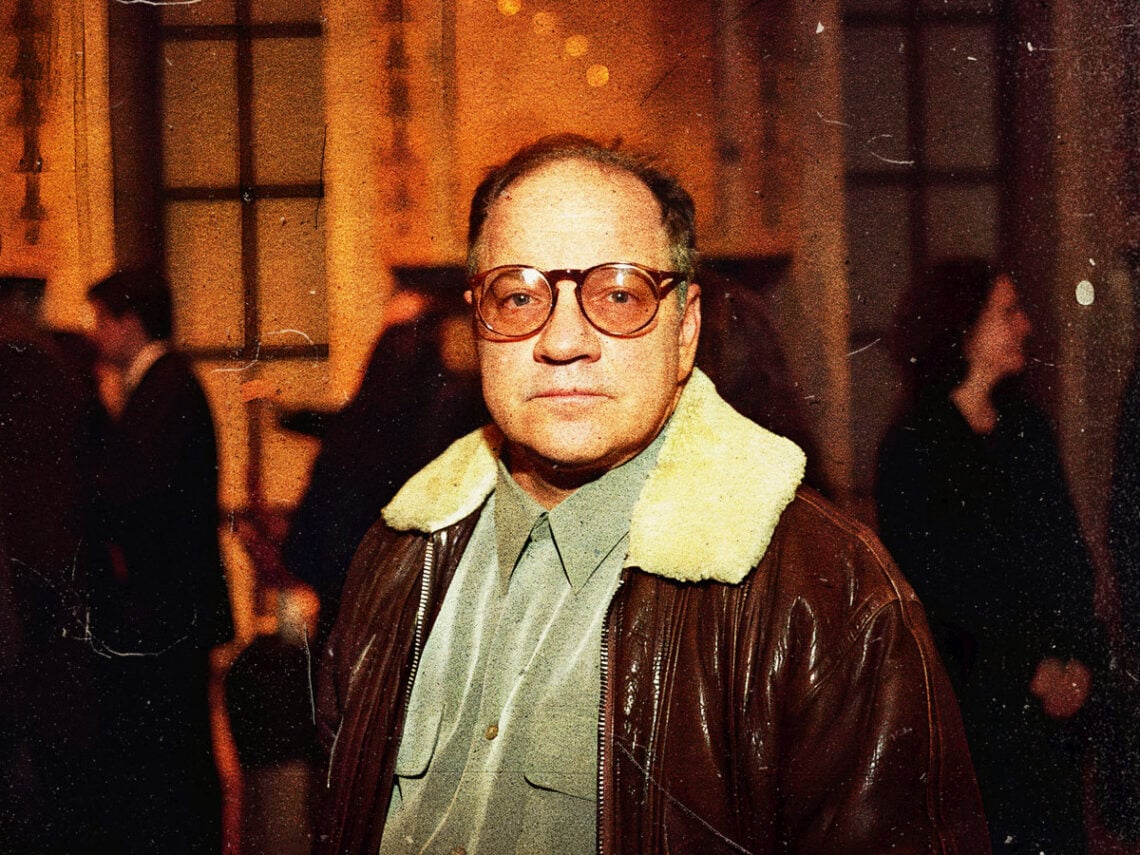
“He sees himself as an important entity”: the director Paul Schrader found difficult to deal with

Any screenwriter who harbours ambitions of becoming a director runs the risk of growing frustrated with the filmmakers they collaborate with, especially when the personality of the scribe happens to be a combustible one like Paul Schrader.
Schrader always knew he wanted to step behind the camera and shape his own trajectory, but he had to work his way up to that point. For a while, he alternated between penning scripts and directing his own stories, but he eventually grew so tired of the constant back-and-forth that he hasn’t written for anyone else since before the turn of the millennium.
On the plus side, working as a hired gun put him into the orbit of several high-profile filmmakers, with Schrader scripting William Friedkin’s Sorcerer, Sydney Pollack’s The Yakuza, Brian De Palma’s Obsession, and Peter Weir’s The Mosquito Coast. Of course, one auteur reigns supreme as his most famous collaborator by far.
Schrader and Martin Scorsese made magic on their four pictures together, combining their creativity on the classic street-level crime story Taxi Driver, the biographical masterpiece Raging Bull, the spiritual controversy magnet The Last Temptation of Christ, and supernatural drama Bringing Out the Dead.
On those first two films in particular, Scorsese was struggling to exert control over his personal demons, which regularly made things fractious. Schrader admitted to Film Comment that “Marty’s not an easy person to work with,” and his habit of equating his personal health with professional happiness quickly grew exhausting.
“One of the reasons Marty’s good is that he’s headstrong and stubborn; he has a very strong view of himself,” Schrader explained. “He sees himself as an important entity. Therefore, he often takes criticism as a child takes a beating, wincing at every blow. If he gets enough of it, his health will go out; he’s not at all a strong man.”
As he recalled, “arguing with him becomes a therapy session where you’re reduced to pleading, screaming, arguing, and Marty’s health is fading,” which Schrader conceded was beneficial for the director but not so much for him. “It’s good for him to go through these sessions,” he admitted. “But it’s hard; it wears you out.”
Scorsese even ended up “having an attack, screaming, accusing me of not knowing what the movie was about and of being against him” when they watched Taxi Driver together, even though Schrader wasn’t just the guy who wrote the thing and was there along every step of the process, but was the sole writer to receive credit for the screenplay.
Fortunately, Scorsese has cooled down a lot since then and hasn’t been crippled by the “inability to take criticism” Schrader was genuinely concerned could bring about his downfall in the late 1970s. Their relationship would weather the storm, but the latter gradually became more concerned – and by default, invested – in becoming his own man at the expense of a beautiful creative partnership.
