


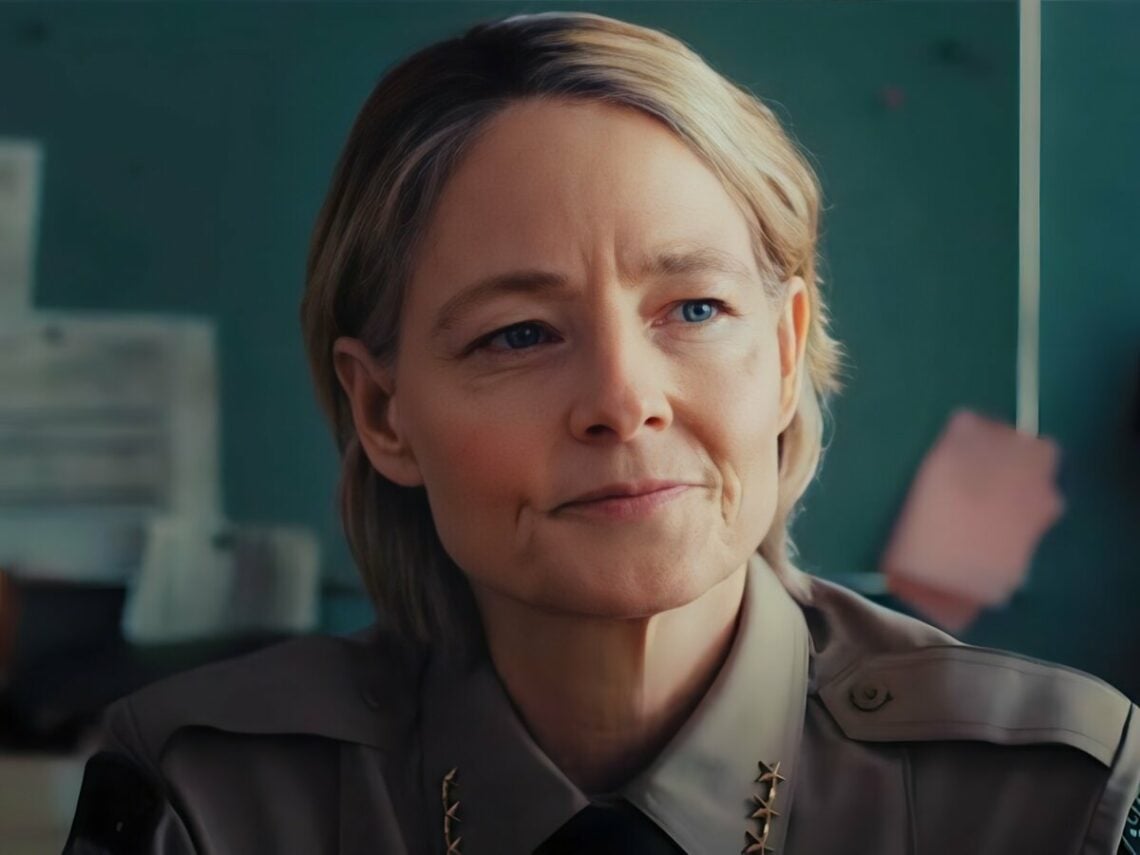
The director Jodie Foster called a “major pain”: “It was very difficult for me”

Since her first appearance as the child prostitute in Martin Scorsese’s unforgettable masterpiece Taxi Driver in 1974, the acclaimed American actor Jodie Foster has forged an illustrious career that cements her as one of the industry’s most talented female performers. Foster has appeared on our screens for almost 50 years, displaying a mastery of her craft regardless of the style or genre of the movie she’s in.
However, before she’d go on to collaborate with heavyweight directors like Woody Allen, Robert Zemeckis, and David Fincher, and just a year before she reached international acclaim for her indelible portrayal of Clarice Starling in Jonathan Demme’s psychological thriller The Silence of the Lambs, Foster was an up-and-coming acting talent who was at the whims of a particular actor/director who proved to be more than just challenging.
It was on his fifth directorial effort that actor Dennis Hopper and Foster would collaborate. Having made his debut with Easy Rider in 1969, a film widely seen as the catalyst for the New Hollywood movement and one that encapsulated and translated an entire cultural shift onto celluloid, Hopper continued with 1971’s The Last Movie, 1980’s Out of the Blue and the 1988 LA cop movie Colours. Then, in 1990, he signed on to direct and co-star with Foster in Catchfire.
This romantic action thriller, which was later renamed Backtrack, saw Hopper as mafia hit-man Milo and Foster as Anne Benton – a conceptual artist forced to flee her everyday life after witnessing the brutal execution of mobsters by Milo. After a cat-and-mouse chase, the two eventually cross paths and, despite the circumstances, fall deeply in love, now putting both of their lives in danger.
The movie was far from a success, however. In fact, the directors involved were so unhappy that Hopper took the infamous Alan Smithee mantle – a credit attached to films by directors who wish to disown the project. He explained at the time that the studios “had taken an hour out of my movie, and they’d taken a half-hour of stuff I’d taken out of the movie and put it in. Then they took all my music out and threw it away. They put in great violin love themes beside Jodie and me — this is certainly not a violin romance.”
But it would emerge that it was more than just the studios that made things difficult. Screenwriter Ann Louise Bardach praised Hopper for having “a beautiful eye” but ultimately derided working with him as “completely insane”. As for Foster? She made cryptic allusions at the time, explaining that she had recently “worked with an actor-director who was a major pain. It was very difficult for me. Very difficult.”
Hopper was notorious for his off-screen and off-set behaviour, with several drug-fuelled anecdotes involving the actor that sound more thrilling and nerve-wracking than the movies he’s appeared in and made. Clearly, his erratic and egotistical behaviour had spilt into his professional life and got in the way of his collaboration with Foster. Unsurprisingly, the two never worked together again.
