


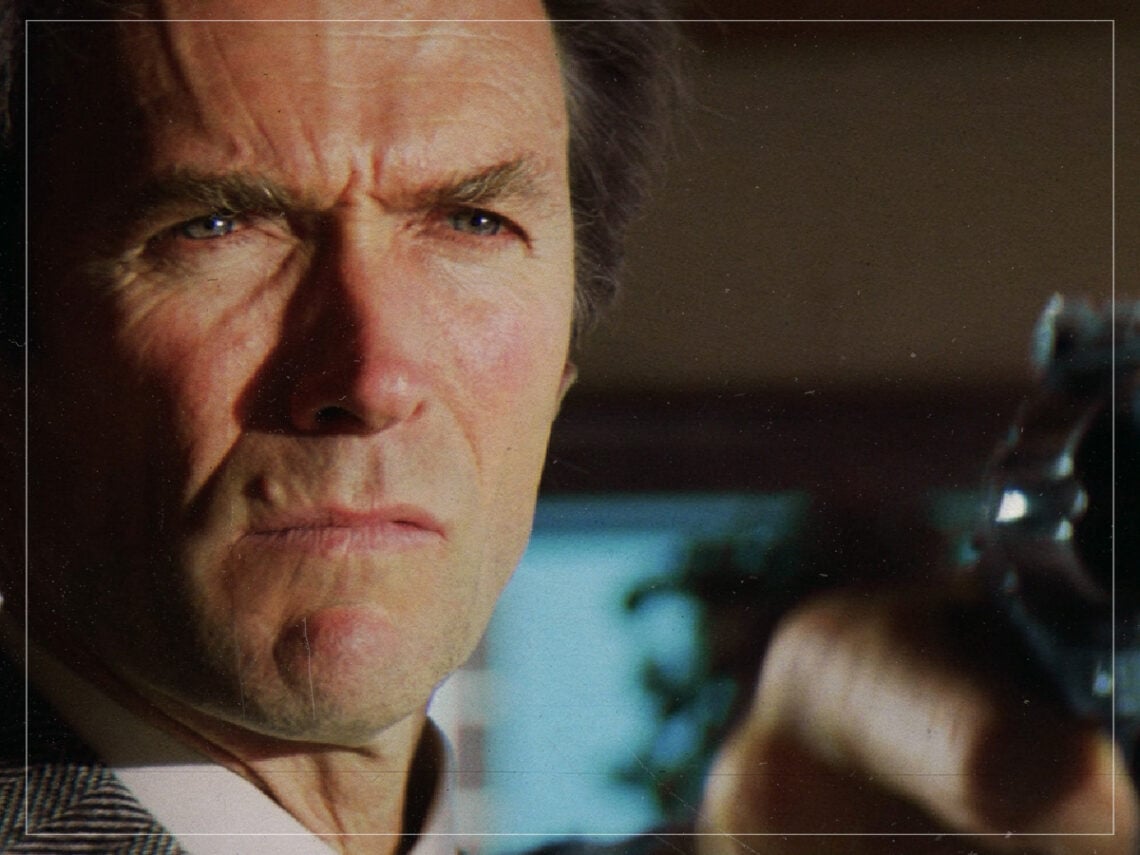
“Made my career an impossibility”: the director whose future was crushed by Clint Eastwood’s ego

As soon as Clint Eastwood made his feature-length debut from behind the camera with 1971’s Play Misty for Me, it was inevitable that his demeanour would change on set, since a director will often struggle when they become the directed.
The filmmaker he’s worked with the most often is, of course, himself, and the four-time Academy Award-winning legend was hardly known for surrounding himself with top-level auteurs once he settled into his groove as the industry’s foremost actor-turned-director, which may well have been by design.
No offence to James Fargo, Richard Benjamin, Richard Tuggle, Buddy Van Horn, or anyone else that he worked with from the early 1970s onward, but they weren’t the sort of names who’d bend Eastwood to their will to realise their vision. If anything, it was the other way around, and that’s how it would remain.
For instance, the only time the four-time Academy Award winner starred in a movie that he didn’t direct after 1993 was in Trouble with the Curve 19 years later, and that film’s director, Robert Lorenz, was a Malpaso veteran who’d served an almost two-decade apprenticeship under Eastwood as an assistant director, second unit director, executive producer, and producer.
Even though they’d previously worked together on Rawhide and Hang ‘Em High, Ted Post maintains that he saw the worst side of Eastwood’s egomania when they reunited for the first Dirty Harry sequel, Magnum Force. The way he told it, the star was constantly trying to undermine his authority, and when he didn’t try to fight the whispers that he’d ghost-directed the film, it cut Post’s career off at the knees.
Things came to a head when he told his leading man on set, “I’m calling the shots here; otherwise, you direct the picture,” which briefly put Eastwood back in his place. However, when the actor apologised, Post realised he was done as the voice of reason. “I knew that was the kiss of death,” he admitted. “He got very tough with me after that.”
The star excised two scenes the director believed were “very important” from the shooting schedule, and even in post-production, Post had Eastwood breathing down his neck every step of the way, disagreeing with him at every turn. “A lot of things he said were based on a pure, selfish ignorance,” the filmmaker recalled. “And showed me that he was the man that controlled the power.”

Things between them got so bad that Post even suggested that “Clint’s ego began to apply for statehood,” with their bond becoming so fractured that he even accused his former friend and collaborator of blighting his future prospects by refusing to refute or correct anyone who claimed that the highlights of Magnum Force were Eastwood’s doing, and not the guy who directed the movie.
According to Post, that “made my career an impossibility” from then on, and he might have a point. While he continued working for the next two decades, he never again came within a sniff of a production as high-profile or bankable as a Dirty Harry sequel. Was that Eastwood’s fault? That’s up for debate, but he definitely thought so.

Never Miss A Tale
The Far Out Clint Eastwood Newsletter
All the latest stories about Clint Eastwood from the independent voice of culture.
Straight to your inbox.