


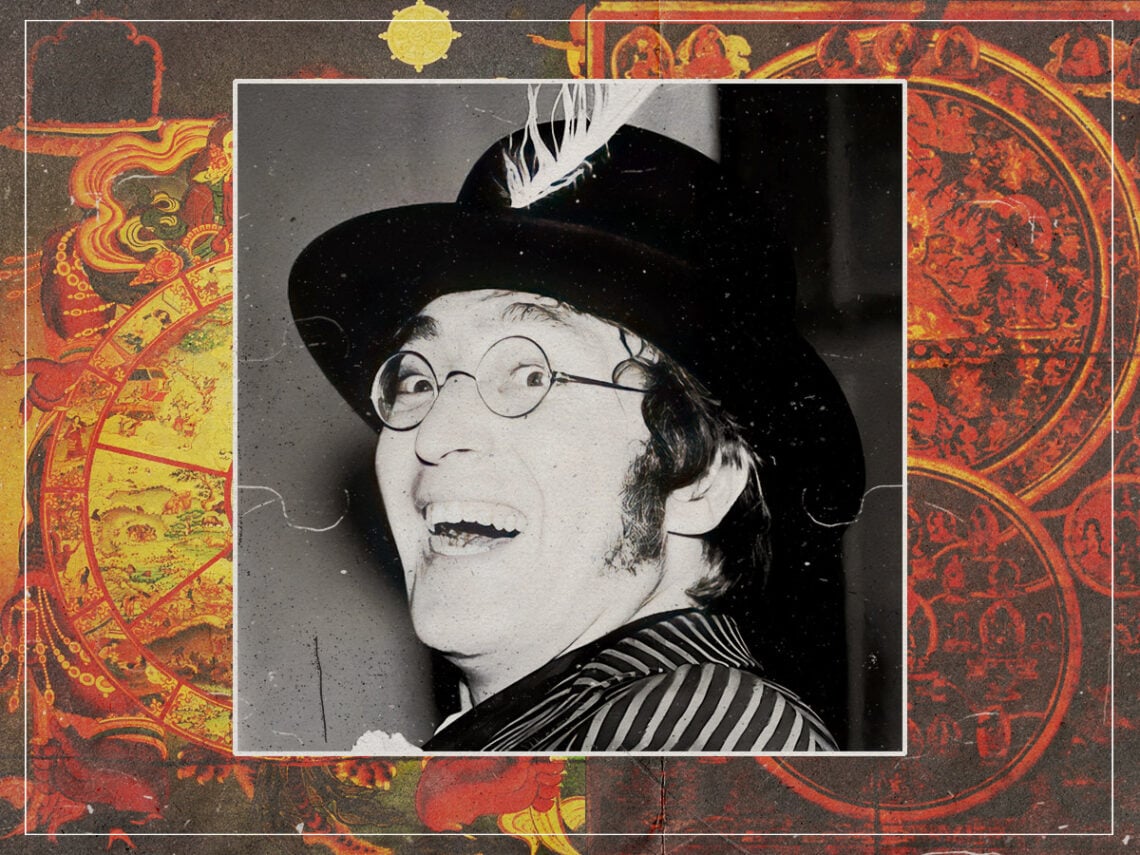
“We’re more popular than Jesus now”: did cancel culture start with John Lennon?

In March 1966, John Lennon didn’t just incite lighthearted fury among fans; he began a protest movement with public rituals burning records, radio bans, cancelled conferences, and mobbed concerts. This controversy overshadowed the promo run for Revolver and pushed them even further into their hatred of touring. Lennon’s crime? Insinuating that The Beatles were more popular than Jesus Christ.
Something that likely wouldn’t be that scandalous today caused an entire cultural upheaval back then, as Lennon’s implication fell among the most charged societal and political debates of the 1960s. Not only did it come as a surprise among Christians, who suddenly viewed him as the antithesis of everything religion represents, but it also challenged the boundaries of celebrity and celebrity worship.
Although this occurred before the infamous era of the Satanic Panic, Lennon’s comments arguably felt scarier to certain communities, with his pedestal threatening what many regarded as the safe parameters for musical consumption. The Beatles were already seen by some forward-thinking sceptics as nothing more than commercial indoctrination, but Lennon claiming they had surpassed the son of God himself felt particularly sobering.
His blacklisting after the fact could be seen as an archaic version of cancelling, especially since the means to do so back then were starkly different from today’s methods. After all, instead of social media, erasing Lennon from public consumption meant literally removing the band’s content from physical and digital formats in an effort to tear him from the public spotlight.
Today, cancelling an artist or the term “cancel culture” has become a convoluted facet of political and societal discourse, especially when it comes to distinctions from both corners of free speech. In other words, it has become a weaponised term of sorts, similar to how many use the term “woke” to disregard the fight for acceptance and equal rights. By extension, cancel culture refers to the act of effectively removing figures from public influence when they seem to have said or done something wrong.

Of course, doing the “wrong” thing is always horrendously subjective and, again, usually relates to political or societal ideologies or worldviews, but the basic nature of such a cultural rejection typically revolves around someone of immense impact doing something inherently offensive. In today’s world, the passion of such reactions vary depending on what they person has done, but usually always begin with reactive discourse then a collective call for them to be “dropped” in all manner of the word.
A more semi-recent example would be Alice Cooper’s claim that being a trans person is a “fad”, which naturally stirred controversy and resulted in being dropped from his cosmetics brand in an attempt to distance itself from such views. More ongoing instances could be Kanye West’s incredibly offensive moves to push his association with far-right, antisemitic, and racist notions and institutions, leading to him being dropped from brands like Adidas and Balenciaga, as well as severe public condemnation.
The means to achieve this now largely centres around social media and consumer behaviours, where public figures can be boycotted for their actions, especially where there’s no apology or accountability. However, Lennon’s earlier comments signalled a precursor to this type of backlash, centralising the notion of collective cancelling and the action that can be taken when voices are heard, even without modern technological tools.
Published in The Evening Standard in 1966, Lennon was wholly quoted as saying the infamous words: “Christianity will go. It will vanish and shrink. I needn’t argue about that; I’m right, and I’ll be proved right.” Adding: “We’re more popular than Jesus now; I don’t know which will go first – rock ‘n’ roll or Christianity. Jesus was all right, but his disciples were thick and ordinary. It’s them twisting it that ruins it for me.”
Deemed blasphemous among American audiences (the same passion wasn’t shared in the UK due to a sharper decline in Christianity and religious practices), The Beatles were subsequently banned by more than 30 radio stations. One station in Massachusetts hired a tree-grinding machine and invited listeners to send in their copies of Beatles records for destruction. Another in Nevada announced a public event for burning their albums.
For some, this comeuppance wasn’t entirely unprecedented. As mentioned, some already viewed The Beatles as threats to the common order, and Lennon’s comment only catalysed them to spring into action. However, strong reactions like this often emerge in a singular, knee-jerk moment, signalling something more intrinsically reactive and unthinking about cancel culture—at least, the version of it in this case. After all, after the events occurred, Paul McCartney reflected on it as an example of “hysterical low-grade American thinking”.
And while Lennon’s comments didn’t directly invent the phenomenon, they no doubt marked the emergence of cultural reaction in ways that would strengthen over time. It also sparked one of the first instances of something that would become inherently more complex, with Lennon having established an example when cancelling is entirely unwarranted. In many modern instances, it could be argued that the idea has become misconstrued and calls for greater responsibility, often morphing into an impulsive form of public shaming.
Ultimately, as McCartney’s reflection suggests, the reaction often exposes more about the nature of culture and the intentions of the figure, with Lennon acting as patient zero for certain figures being punished for their actions. Fast-forward to today’s social media-first world, the parameters for such divisive opinions have only been enhanced, making it easier than ever for fury to spread to an unthinkable degree.

Never Miss A Beat
The Far Out Beatles Newsletter
All the latest stories about The Beatles from the independent voice of culture.
Straight to your inbox.