


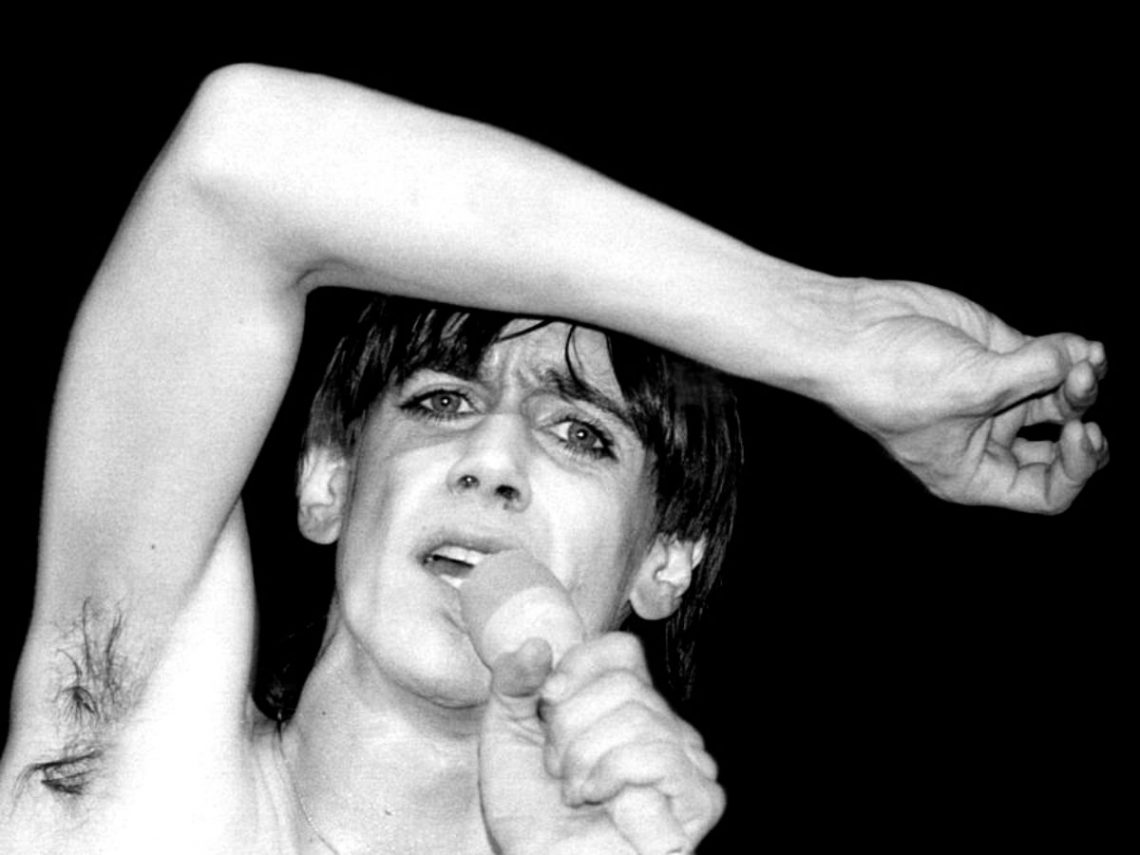
Did Iggy Pop spark the beginnings of the Roman Empire meme?

TikTok, known for sparking trends rooted in facts or conspiracies, revived an earlier sensation in August 2023 by resurfacing the Roman Empire meme. This viral trend was started by women questioning their male partners about how often they thought about this historical era.
According to various sources, the meme actually originated a year earlier, in 2022, when Swedish influencer Saskia Cort asked her followers how often they thought about the Roman Empire.
The resurgence in August 2023 occurred when history buff Gaius Flavius, also residing in Sweden, shared a similar prompt on an Instagram reel.
Although it may seem like it, especially in a world where TikTok reigns supreme, this wasn’t the first iteration of such an idea. History has presented this concept in subtle, small drippings over time in both real life and pop culture. For instance, Mark Zuckerberg named one of his children August, pointing towards his fascination with the Roman emperor, Augustus. Similarly, Monica’s boyfriend Richard is obsessed with the American Civil War in Friends.
At the same time, stereotypical gender norms around men often paint them to be fixated with all things war and history, which provided the necessary backdrop for the meme’s return in 2023: All men are obsessed with the Roman Empire and think about it once a week without fail. Allegedly. Maybe it’s the aesthetics, as popularised by things like Ridley Scott’s Gladiator, or the architecture, or the mystery attached to its pervasiveness in contemporary culture.
At least, that’s what Iggy Pop became drawn to when he first discovered the topic after purchasing a copy of Edward Gibbon’s The Decline and Fall of the Roman Empire. Given Pop’s profound appreciation for culture and entertainment, it’s hardly surprising that he developed a deep fascination with Roman antiquity and its intrinsic link to modern life.
Pop indulged in Gibbon’s work, “with pleasure around 4am, with my drugs and whisky in cheap motels,” enthralled by its “clash of beliefs, personalities and values,” he writes, “played out on antiquity’s stage by crowds of the vulgar, led by huge archetypal characters.”
He became attracted to this concept, considering his own role in “a political business… the music business, which is not about music at all, but is a kind of religion-rental.”
In fact, Gibbon’s chronicle intrigued Pop so deeply that it eventually inspired him to create Caesar, an impromptu soliloquy featured as the closing track on his 1993 album American Caesar, often considered an underappreciated masterpiece. Reflecting on this piece, Pop noted its truthfulness, resonating with the idea that America mirrors Rome. In his words, “America is Rome. Of course, why shouldn’t it be? All of Western life and institutions today are traceable to the Romans and their world. We are all Roman children for better or worse.”
Of course, musicians developing an avid interest in historical events or periods of time isn’t a new phenomenon, but contributing to discourse and eventual hype often results in interest stirring on the internet. With Pop’s contributions to the subject and many other facets of intrigue generated by various contemporaries, who knows: the viral trend may have ceased to exist.
