


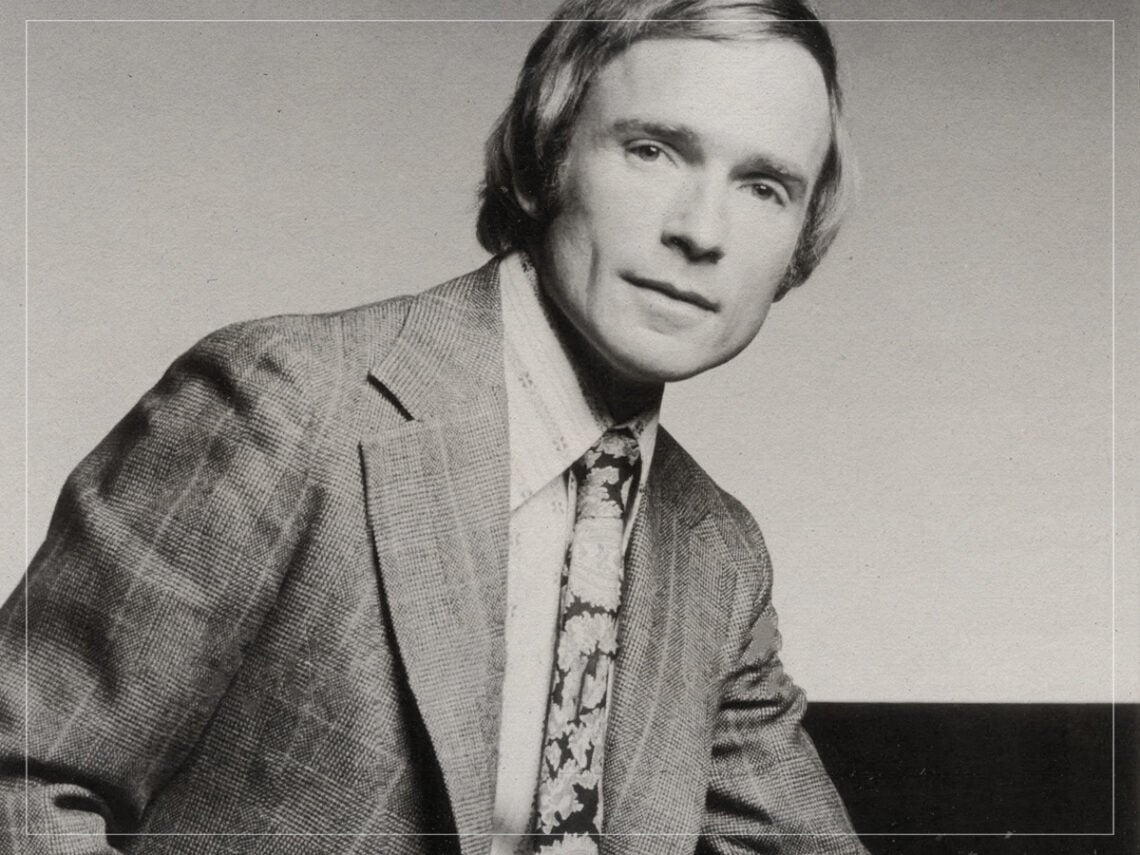
Dick Cavett’s favourite books: a surprisingly unpretentious list

Dick Cavett must find it quite amusing to hear people talk about the podcast format and how it’s opened up a whole new world of intimate, long-form conversations with celebrity guests, as this was something he had figured out almost 60 years ago, when his TV talk show established him as America’s favourite deadpan, intellectual interviewer.
From the late 1960s into the 1980s, Cavett’s high-profile chat show welcomed many of the same stars that were appearing on the more popular and conventional Tonight Show with Johnny Carson, but despite his background as a stand-up comedian, he was less interested in just setting up his guests for chuckles and gags.
Instead, whether he was sitting across from John Lennon and Yoko Ono or Gore Vidal and Norman Mailer, the goal was often to engage on a deeper level and get to the core of some heavy social and political issues. Unlike the next wave of American talk show hosts, who would learn to stoke feuds for ratings, Cavett was also skilled at being the calm moderator, seeking out the common ground or inserting a quip to ease the tension.
In these moments, it was easy to see the host as the humble Midwestern kid that he really was, born during the Depression to two Nebraska school teachers, rather than the New York sophisticate he became. This also helps explain why Cavett’s selections of his six favourite books, as shared with The Week in 2016 at 80, reveal a man who is simply curious about a lot of fun subjects and not at all concerned with naming any of the eminent authors he’d personally interviewed.
Of the ones mentioned in the piece, there are two classics you might find on a grade school reading list, two explorations of peculiar skill sets, an autobiography of a playwright who died before Cavett started his talk show, and one collection of short stories by a writer who is slightly less famous than a country singer of the same name.
Dick Cavett’s surprisingly unpretentious favourite books:
‘The Adventures of Huckleberry Finn’ by Mark Twain (1884)
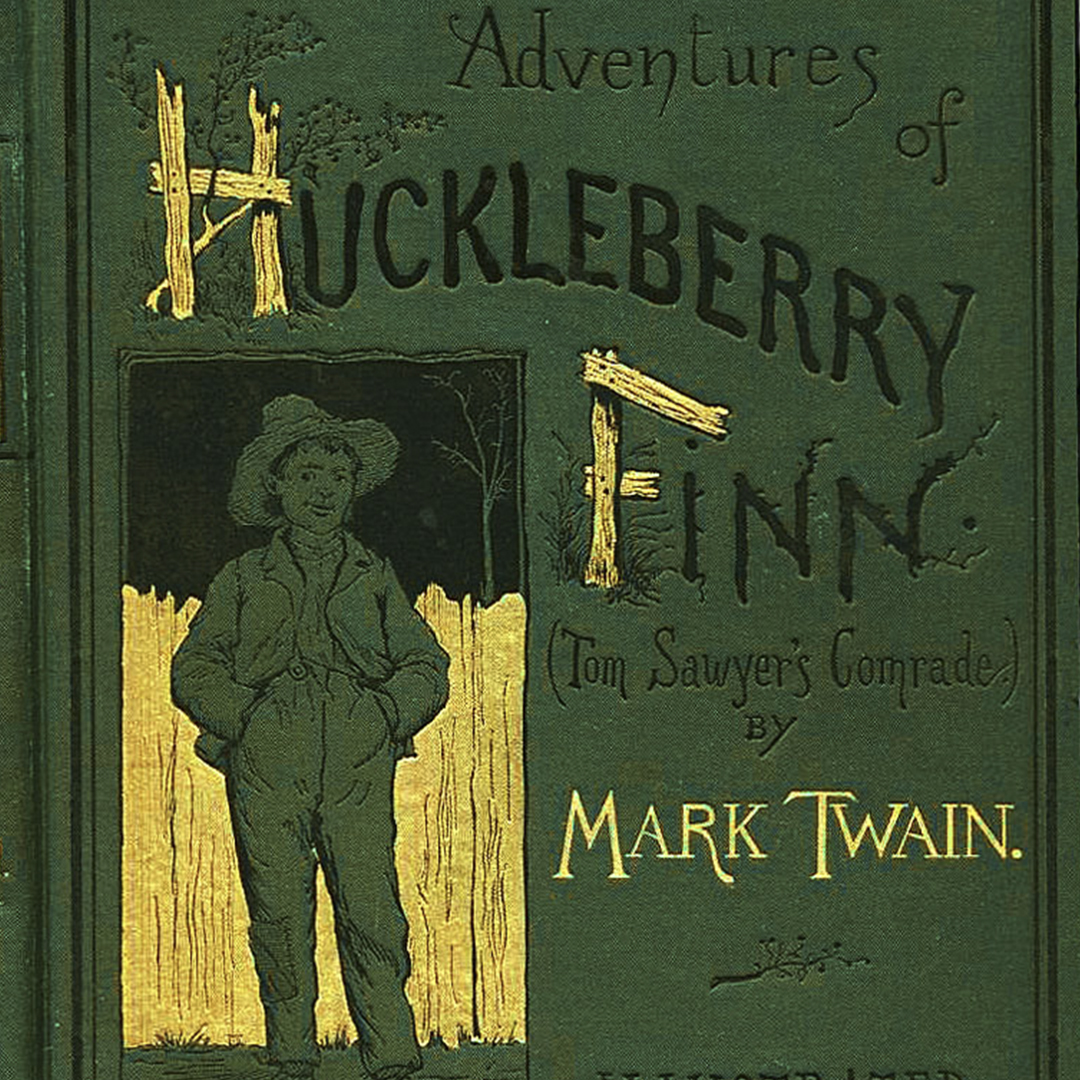
“To flaming hell with any idiot who wants to bowdlerise this towering masterpiece,” Cavett wrote, and to save you a Google, ‘bowdlerise’ means removing content deemed potentially offensive from a piece of art, weakening its effect in the process.
Modern audiences have increasingly baulked at some of the language used by the characters in this Mark Twain classic, for understandable reasons, but Cavett, who never shied away from confronting racism on his talk show, was more inclined to take historical context into account, and to recognise Twain as being a fellow Midwestern intellectual with his heart in the right place.
‘The Hound of the Baskervilles’ by Sir Arthur Conan Doyle (1902)
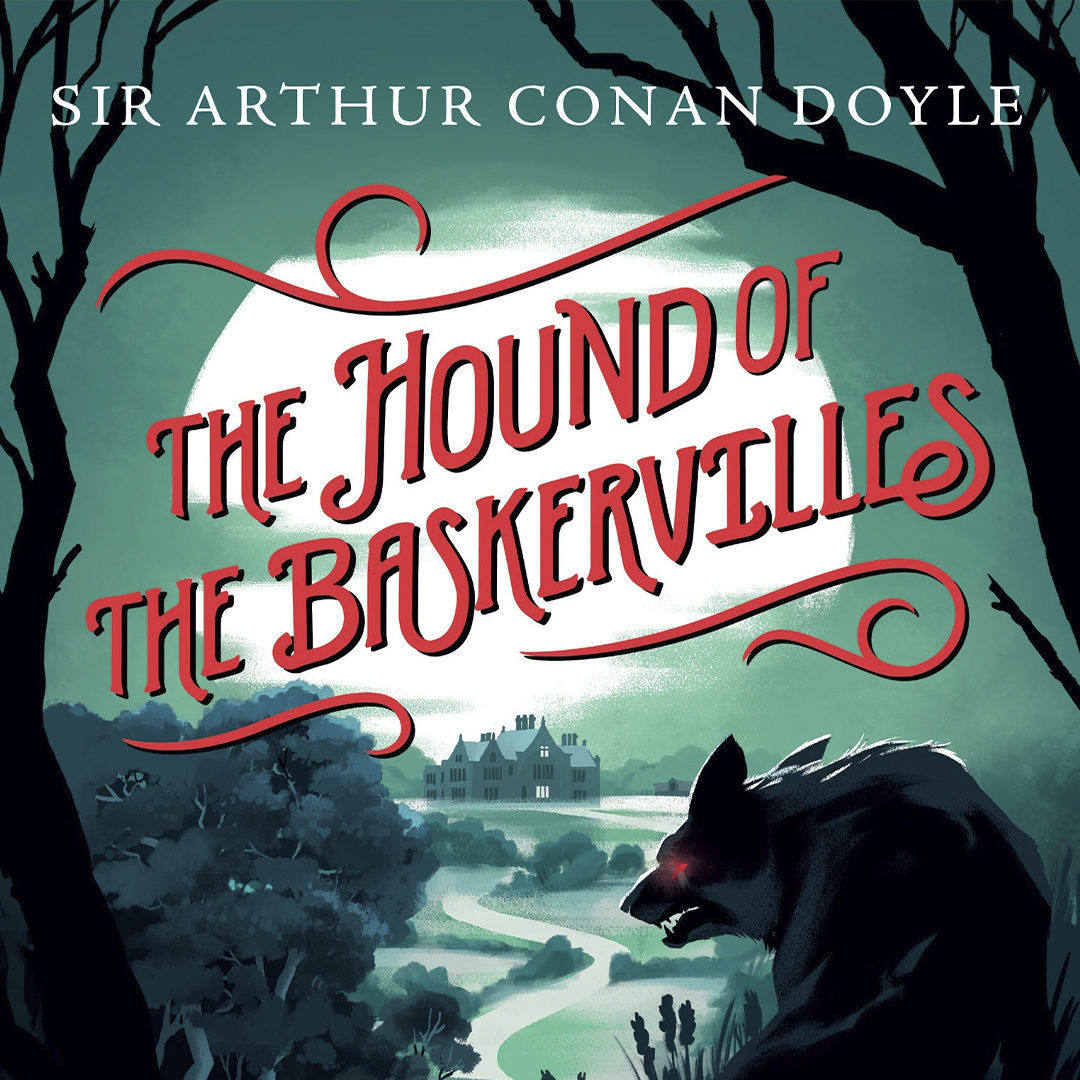
This choice wasn’t just a matter of respecting the prose of Arthur Conan Doyle, but of remembering the very specific experience of reading this famous Sherlock Holmes mystery when Cavett was a boy, on a day when a Nebraska snowstorm had cancelled school.
As the man poetically recalled, “As flakes softly fell all day, I read The Hound without, I think, ever looking up”, and what else makes a favourite than the one tied so indelibly to a happy memory.
‘Houdini’s Escapes and Magic’ by Walter B Gibson (1930)
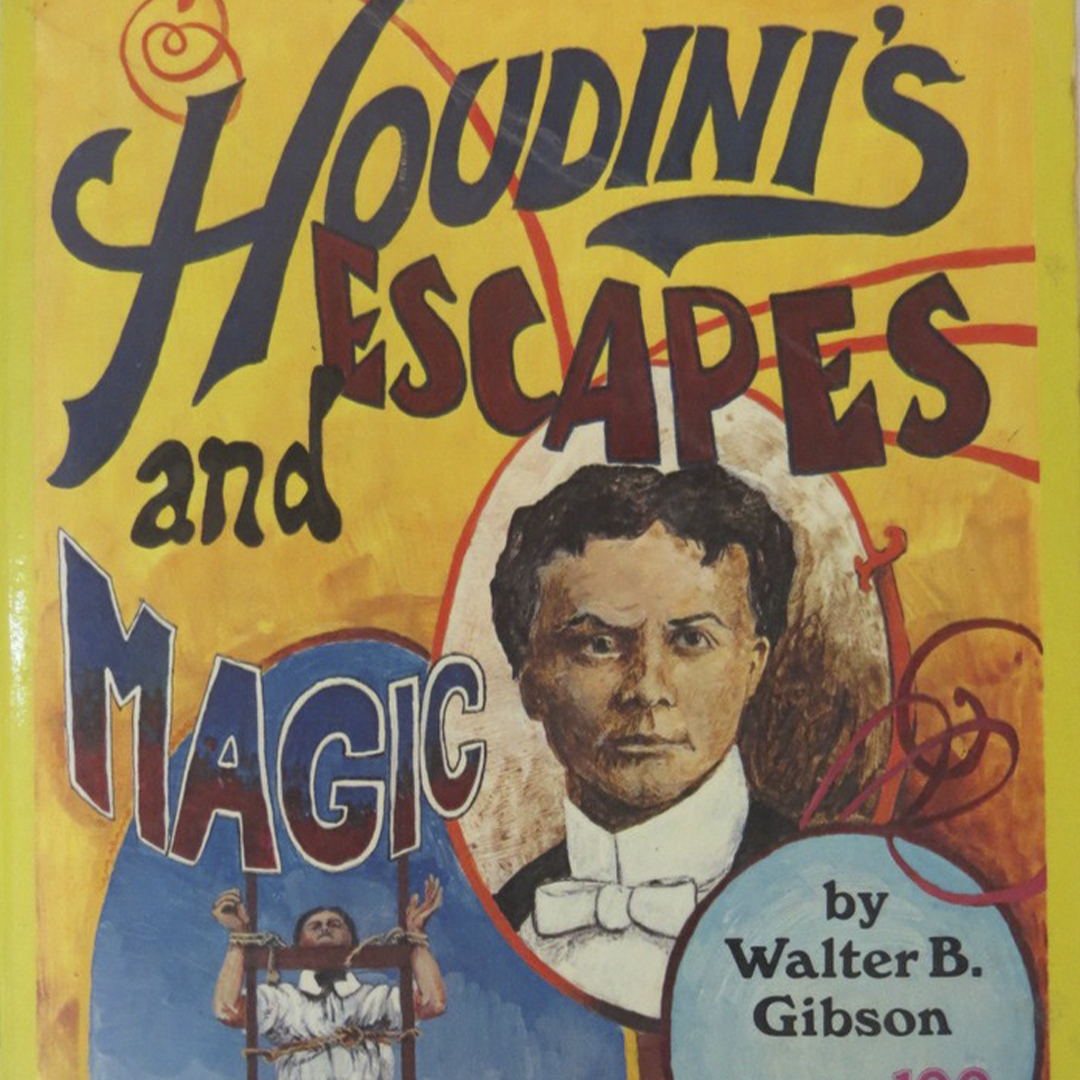
Written four years after the famed illusionist’s death, this book was the one that captivated a young Dick Cavett and led him into a childhood obsession with magic tricks and “conjuring”.
He never quite became the next Houdini, but he did become a pretty successful teenage magician in the 1950s, at least on the local scene. “I played enough church basements,” he wrote, “that I was able to lend my schoolteacher parents $700 for a new car”.
‘Zen in the Art of Archery’ by Eugen Herrigel (1948)
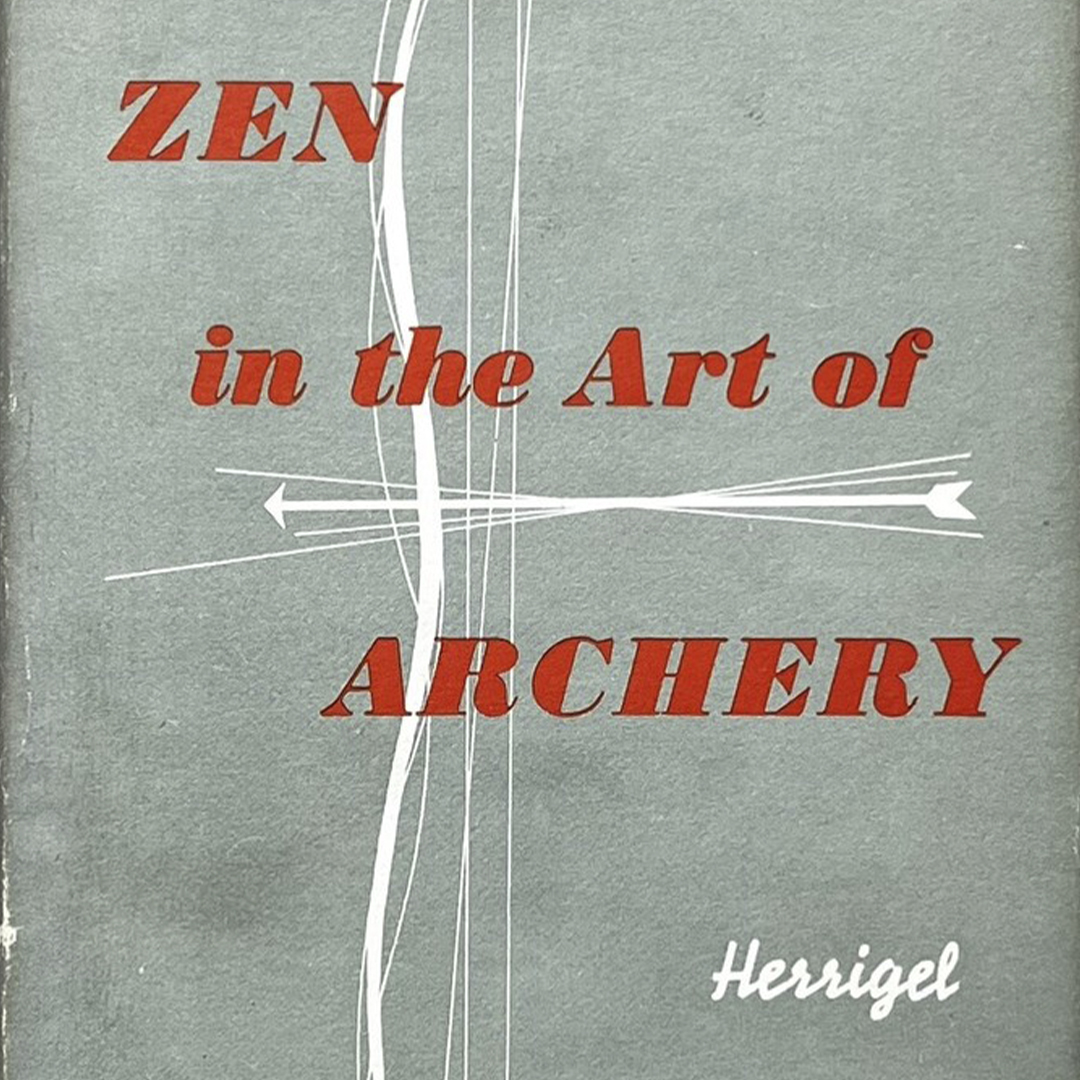
Published just after World War II, this book includes the recollections of a German philosopher about his time teaching in Japan in the 1920s, and the lessons he gained from studying Kyūdō, the martial art of archery.
Sounds pretty niche, but there’s fascinating stuff all over this one, as “There’s much to learn here about learning,” explained Cavett of his choice.
‘Act One’ by Moss Hart (1959)
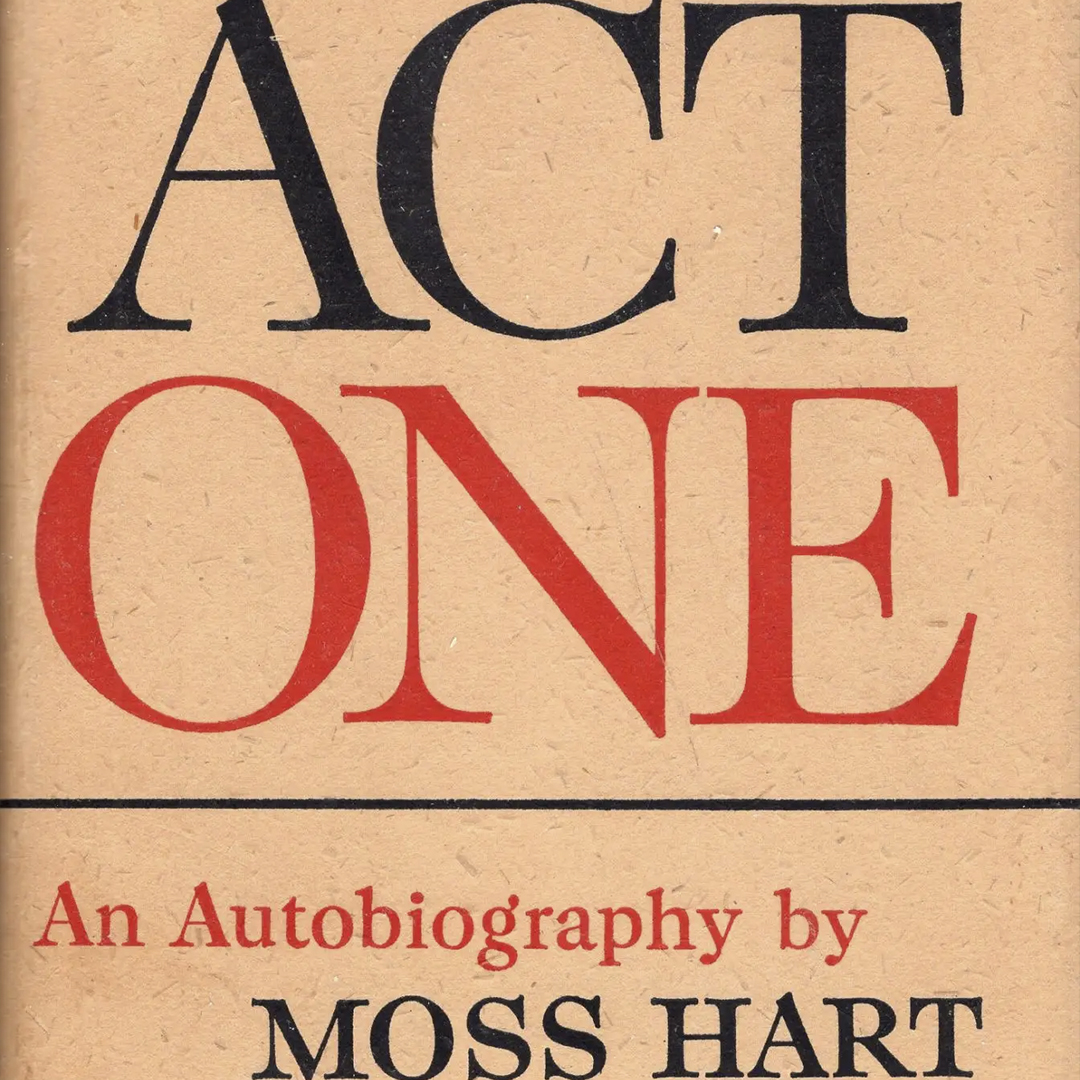
Written just two years before the famed Brooklyn playwright’s untimely death at 57, this autobiography recounts Moss Hart’s rise from poverty to his days conquering Broadway and Hollywood as the writer of hits like The Man Who Came to Dinner, My Fair Lady, and the oft-remade A Star is Born.
Cavett called it “a riveting story that risks promoting the foolish idea that if you chase your dream and never give in, you will succeed. Bull. A few will. Hart did”.
‘The Collected Stories of Jean Stafford’ by Jean Stafford (1970)
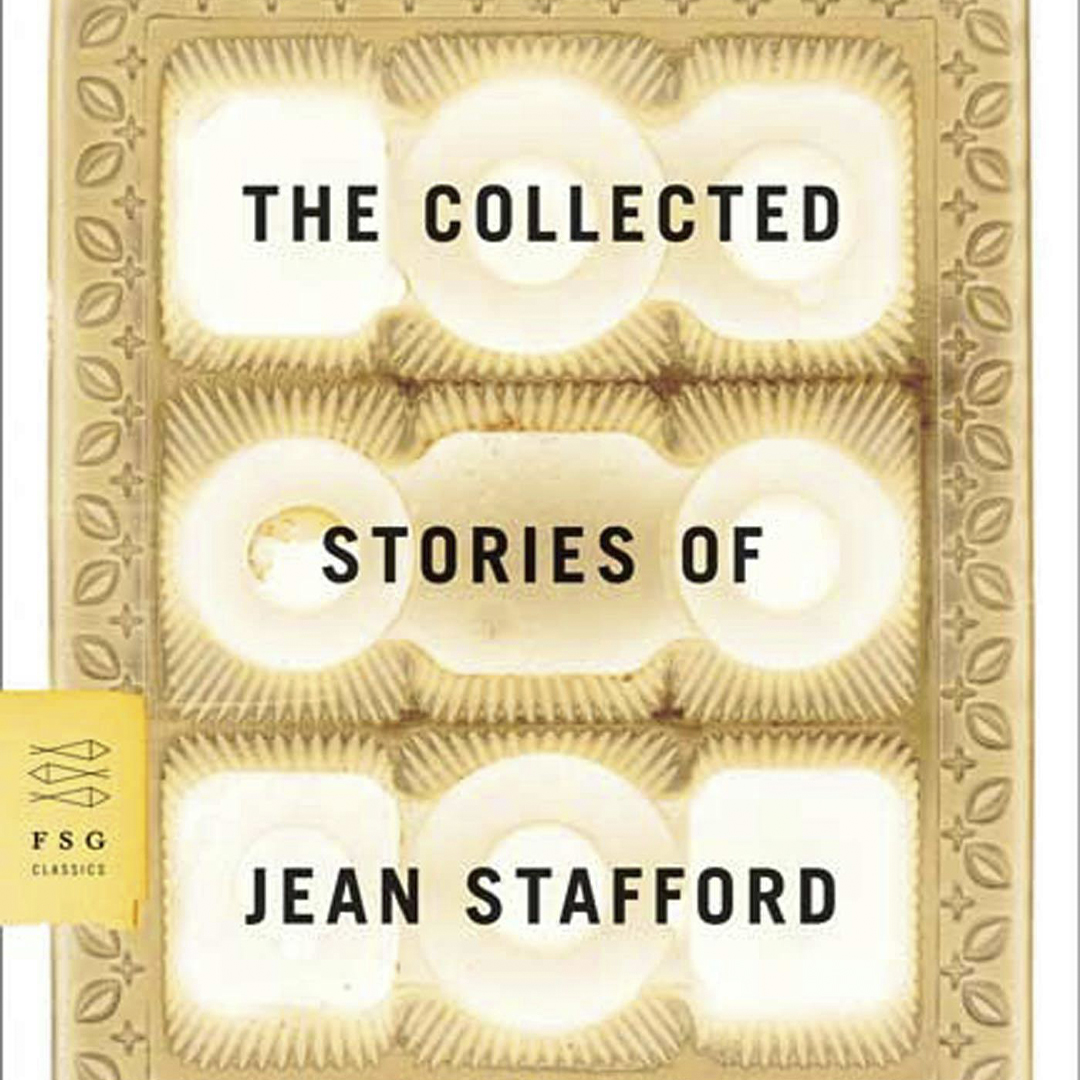
The only example of fiction from Cavett’s own lifetime that made his list, this collection won the Pulitzer Prize for American author Jean Stafford. In a 1983 piece in Vanity Fair, Cavett referred to Stafford as “the most interesting person I never had on my show” and “one of the funniest and most brilliant women I would ever meet”.
That high praise was backed up in his book selection here, with Cavett singling out Stafford’s ‘The Echo and the Nemesis’ as “my favourite short story. Period.” This though is not the same Jean Stafford, it should be noted, who scored some country radio hits in the 1980s.
