


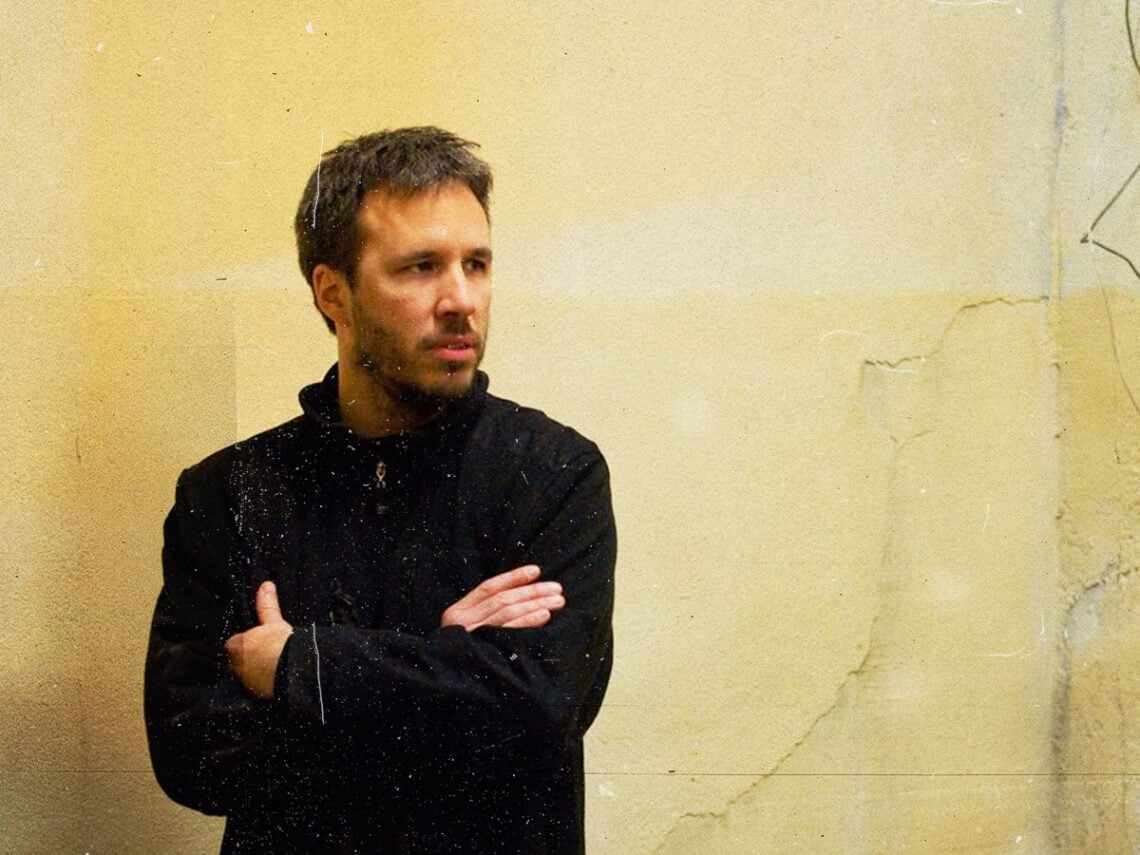
Denis Villeneuve names the most difficult scene of his career: “It required a tremendous amount of work”

The rise of Denis Villeneuve has been a joy to watch. The French-Canadian director came to wider international attention with his trio of thrillers, Prisoners, Enemies, and Sicario, before exploding in popularity off the back of his cerebral sci-fi tale Arrival. He then took on a major challenge by making Blade Runner 2049, the sequel to Ridley Scott’s beloved classic, and absolutely smashed that out of the park as well.
What the director is best known for nowadays are his two movies based on Frank Herbert’s Dune. Long considered to be unadaptable for the screen (just ask David Lynch), Villeneuve proved that Paul Atreides and the battle to free Arrakis could be made into a movie, and a great one at that. The first film won six Oscars and was nominated for ‘Best Picture’, with Part Two expected to achieve similar accolades when award season rolls around.
There are many reasons why Dune baffled filmmakers for decades before Villeneuve came along. Not only is it packed with dense and often impenetrable lore, but Herbert’s insane imagination created scenarios that were damn near impossible to film. One of them is the scene where Paul first learns to ride the giant sandworms that inhabit the planet, a moment of great personal triumph and further proof that he is, in fact, the messiah promised to the Fremen people.
As he told Film Ink, Villeneuve knew the importance of this moment and that he had to get it right. “It was by far the most complex thing I have ever attempted to do,” he said. “It required a lot of work, but I was trying to feel a level of realism. I wanted my mother to believe that it’s possible to ride a sandworm. I wanted it to be edgy, elegant, dangerous and exciting. And it required a tremendous amount of work from my crew to bring that to the screen. Fortunately, the studio believed in the scene a lot and gave me the means and the tools to do it correctly.”
Both Dune movies were shot by Australian cinematographer Grieg Fraser, also known for his work on The Batman and Rogue One: A Star Wars Story. He and Villeneuve used a technique that involved shooting scenes digitally and then printing them on 35mm film. This is why the films look both ancient and futuristic at the same time and why so many of the visual effects look practical. The sandworms are no exception, seamlessly blending into the footage like any real creature would. Hopefully, Villeneuve’s mother was impressed.
The filming process behind the sandworm ride was a gruelling one. According to Timothée Chalamet, the actor who plays Paul, it took three months on a specially built unit to film the three-minute scene. “We called it the Worm Unit,” he told ScreenRant. “You would get pulled onto that unit 20 or 30 minutes at a time, and they would slot the availabilities in relation to the main production schedule. And it was awe-inspiring.”
The sandworm scene is one of the many gorgeous and emotional sequences that make the Dune movies so engaging. They combine the jaw-dropping scale of a major blockbuster with the artistry and attention to detail of an arthouse passion project, and it seems unthinkable now that anybody would write the story off as “unfilmable”. Villeneuve has done an outstanding job bringing Herbert’s mad visions to life—long live the fighters, and long live this fabulous series.
