


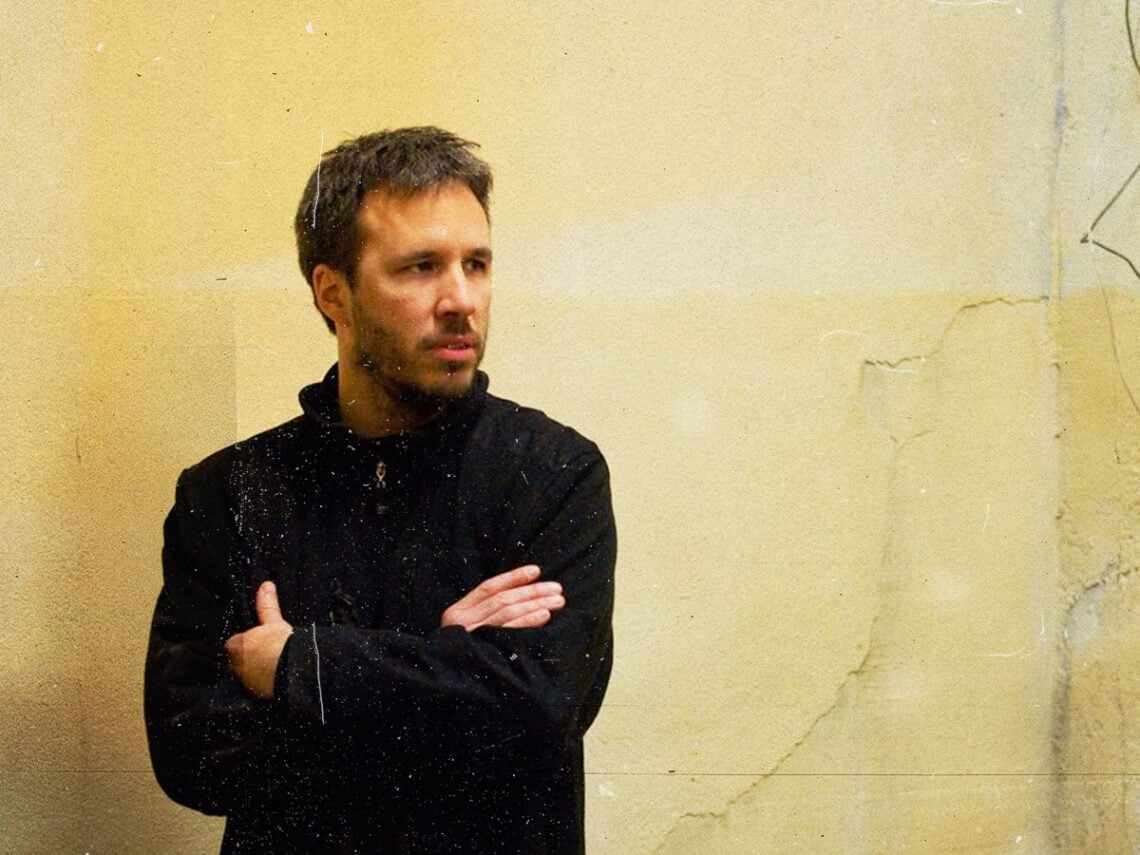
Denis Villeneuve explains how he uses violence in his films

Many of the films by Denis Villeneuve concern the nature of violence and its necessity as a part of vengeance. The two films that come immediately to mind in this light are 2013’s Prisoners and 2015’s Sicario, both of which use violence to a tasteful degree. However, the director has previously stated that he actually hates violence in movies.
This claim may come as something of a shock because, particularly in Prisoners, there is an excessive use of force, mainly when Hugh Jackman’s character beats the living daylights out of Paul Dano. However, the comments made by Villeneuve seem to clarify his intentions when it comes to using violence in his works.
The Canadian director once discussed why many of his films eschew conventional violence. He told The Huffington Post about how Sicario tends to focus on the victim’s experience rather than the perpetrator of violence. “It’s a thing that I try to [emphasize] as a director,” he said, “To stay on one side of the gun as much as possible.”
“Because I hate violence,” he continued, “And I think that violence is meaningful if you see the impact of violence on victims. I’m interested in the impact; I’m not interested in the show. I don’t want to make a show of violence”.
In order to prepare for Sicario, Villeneuve talked with those who had been the victims of warfare. “I mean, I’ve been in contact with people who suffered from the trauma of war,” he said. “When I use violence in a movie, it’s just to express the power, the impact of it.”
There’s a keen sense in the director that violence can be examined without it having to be explicitly portrayed. “The idea is always to, when you show it, not being afraid to go all the way to feel the impact,” he noted. “But those moments are very small. The rest is trying to show as little as possible. Suggestion is always more powerful.”
One scene in Sicario captures this idea perfectly. Towards the end of the film, Benicio del Toro’s character finds the Cartel leader at his villa having dinner with his family. He executes his family before his eyes before taking care of the boss himself.
However, the real power of the scene comes in the way that Villeneuve and cinematographer Roger Deakins detail Alejandro killing Diaz’s family off-screen while the two men square off against each other. It gives the sequence far more impact and far more shock and is exemplary of Villeneuve’s treatment of violence.
