


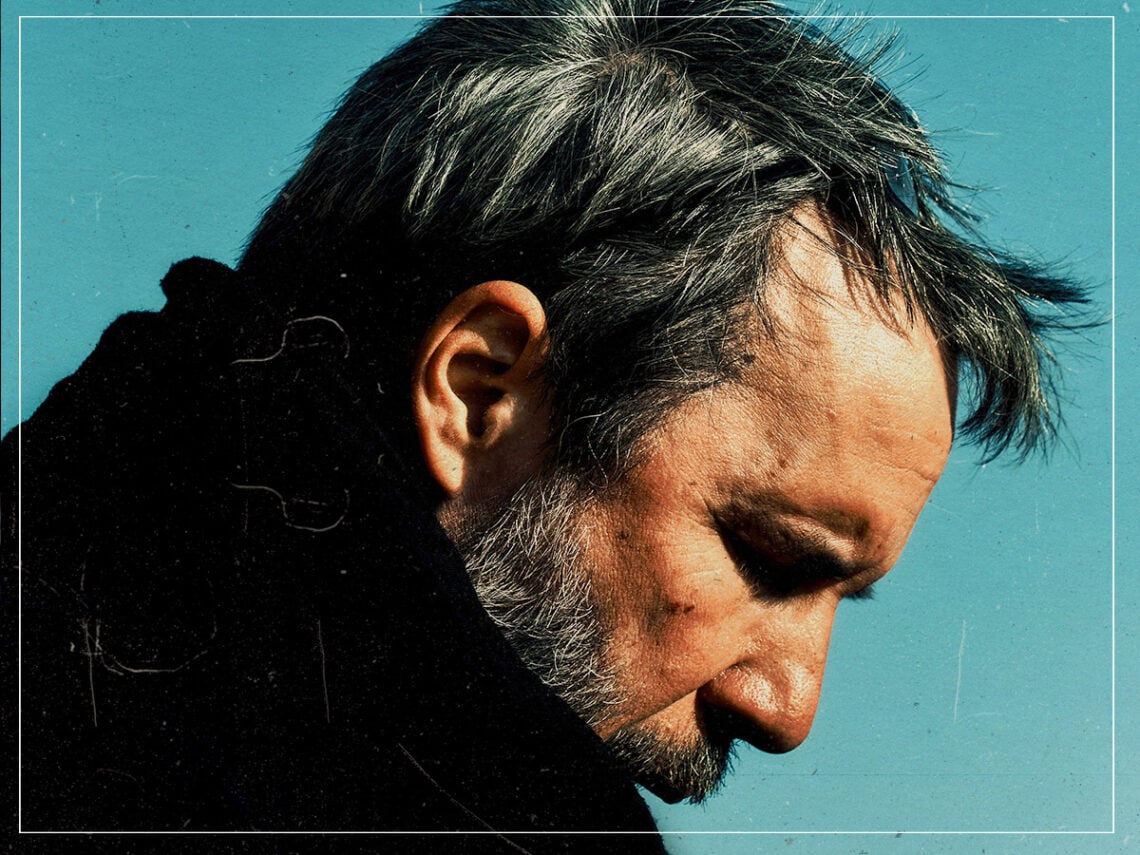
“My first cinematic shock”: Denis Villeneuve explains why he loves the sci-fi genre

It might sound blindingly obvious to say Denis Villeneuve clearly has a soft spot for science fiction when his last four movies have all taken place within the confines of the genre, but it took him two decades and seven features to get there in the first place.
The filmmaker debuted with 1998 drama August 32nd on Earth, dabbled in absurdism with Maelström, tackled the dramatisation of genuine events in Polytechnique, adapted the play Incendies, made the jump to Hollywood with psychological thriller Prisoners, segued into the existential surrealism of Enemy, and took on the trigger-happy Sicario.
At no point was it repeatedly driven home by his filmography that Villeneuve had been sci-fi daft for as long as he could remember, although that perception quickly shifted once he followed up Arrival with Blade Runner 2049 and Dune. The trio are very different in terms of content but nonetheless combined to allow the director to scratch that cosmic itch.
Having steered his two-part Frank Herbert adaptation to well over a billion dollars at the box office and awards season recognition, it would be completely understandable were Villeneuve to put sci-fi to the side for a while and focus his energies elsewhere. Instead, though, he’s doubling down.
As well as the in-development trilogy-capper Dune Messiah, the Academy Award nominee is also working on the long-gestating Rendezvous with Rama adaptation and an adaptation of Nuclear War: A Scenario. The latter may not be sci-fi in the strictest sense of the word, but in dealing with the what-if situations that could be put into play were the world to crumble into dust in the face of all-out conflict, it’s hardly a million miles away either.
When quizzed by the Cannes Film Festival on his sudden interest in cinematic science fiction, Villeneuve simply explained that it was the realisation of a lifelong dream. “I first encountered cinema through this genre,” he offered. “And 2001: A Space Odyssey was my first cinematic shock.”
That’s a hell of a way to get introduced to the far-flung reaches of the cosmos on the big screen, which subsequently informed Villeneuve’s artistic worldview. “Science fiction appeals to be because it allows you to tackle difficult subjects such as religion, or other aspects of society that are off-limits, with a great deal of freedom and distance.”
That sentiment is undoubtedly true as it applies to Arrival, Blade Runner 2049, and the Dune saga, which have given Villeneuve the creative freedom to ruminate on very modern and grounded concerns through a fantastical lens. It’s worked wonders so far, and based solely on the quality of his extended detour into sci-fi, there’s no reason why anyone should be demanding he give it up and return to straightforward drama.
