


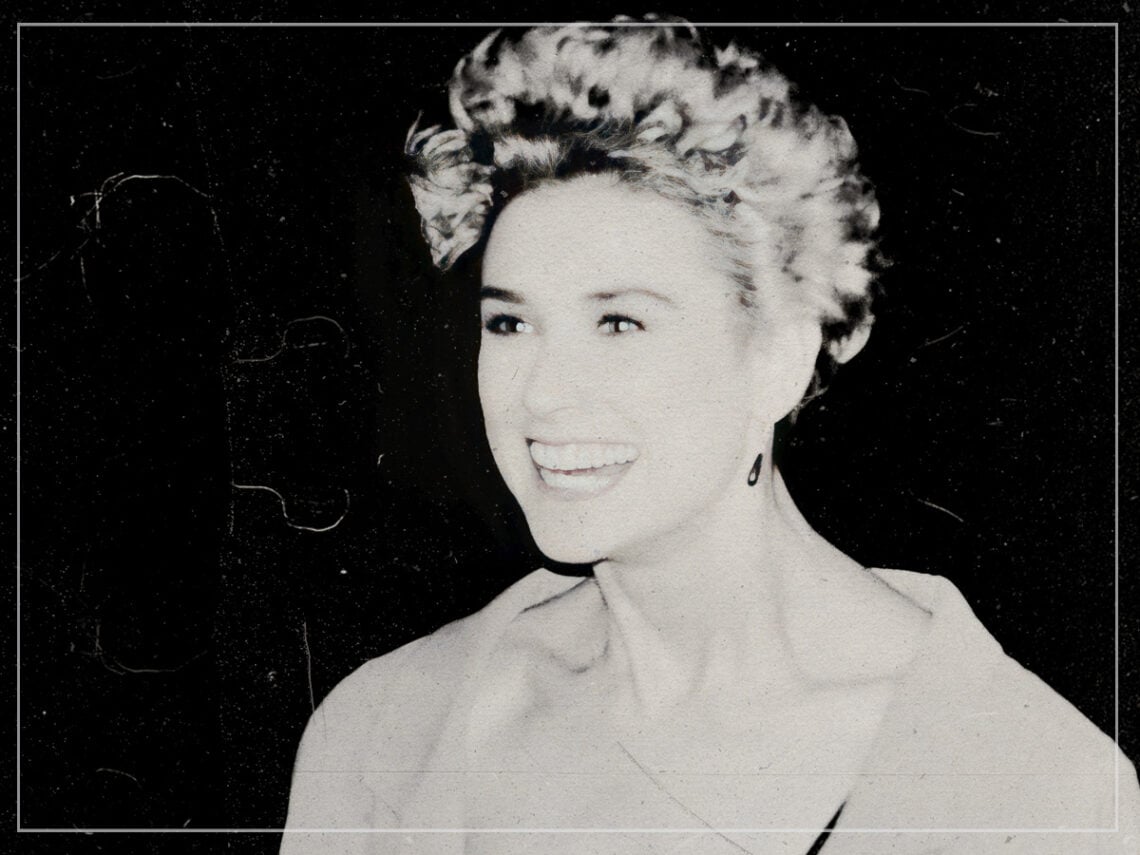
Demi Moore on the movie that “changed my perception of me”

After an early stint on daytime television, Demi Moore broke out as a film star and set about becoming one of the most significant figures in Hollywood. The 1980s saw Moore star in a number of movies as a member of the Brat Pack, alongside the likes of Rob Lowe, Emilio Estevez and Judd Nelson.
St. Elmo’s Fire and About Last Night… both profited from Moore’s presence before she gave a brilliant performance in 1990’s Ghost, which announced her as a bankable movie star in her own right, following up on this box office success with further efforts in A Few Good Men and Indecent Proposal.
However, if those movies signified Moore’s economic fortune, then her 1996 film shattered any expectations she previously held of herself. In appearing in Andrew Bergman’s black comedy Striptease, Moore received a huge paycheck of $12.5million, making her the highest-paid actress at the time.
Based on Carl Hiassen’s 1993 novel of the same name, Striptease, also starring Armand Assante and Burt Reynolds, tells of an FBI secretary-cum-stripper who becomes embroiled in political corruption and a child-custody dispute. Interestingly, in addition to profiting financially from Bergman’s film, there was a deep significance to her performance on a personal basis.
In an interview with Interview magazine, Moore spoke of the “tremendous source of new opportunities” that being an actor can provide and explained how Striptease invited a new perspective. “I found myself in a film that has to do with the body, both the external and internal issues of it,” Moore noted. “And by moving through it, it changed me. It changed my perception of me. Of my body and of my acceptance of myself.”
Moore admitted that she can often be her “own worst critic” and follows up on a negative view of herself by taking “a lot out in an internally abusive way”. According to the actor, she would measure herself against other people, which she often found to be “usually never enough, never as good as someone else”.
Performing in Striptease allowed Moore to realise that there is more to happiness than the physical human body and the kind of pleasures that it is capable of experiencing. “Success has to be an inside job,” she said. “Happiness does not come from external material things. Even people don’t make us ultimately happy. It’s how we choose to deal with those things that happen in our lives that matters.”
Still, despite the serious lesson that Striptease seemed to teach Moore, she admitted that performing in it was “a little fun” too. The big thing about the movie, though, was that many figures in the press and film industry focused on the fact that Moore was paid so much for her appearance.
While this might have irritated the most hardened Hollywood actors, Moore didn’t seem to mind too much and understood the fascination. Beyond the money she received, Moore gained a far more valuable insight into what it is that makes human beings most content with their existence.
What resulted was a strong feeling of pride at being able to learn from such an experience, which might not have occurred had she never agreed to take part in Bergman’s film. “If you’re not happy with yourself on the inside, then what does it matter?” Moore noted. “Doing Striptease helped me come to some terms.”
