


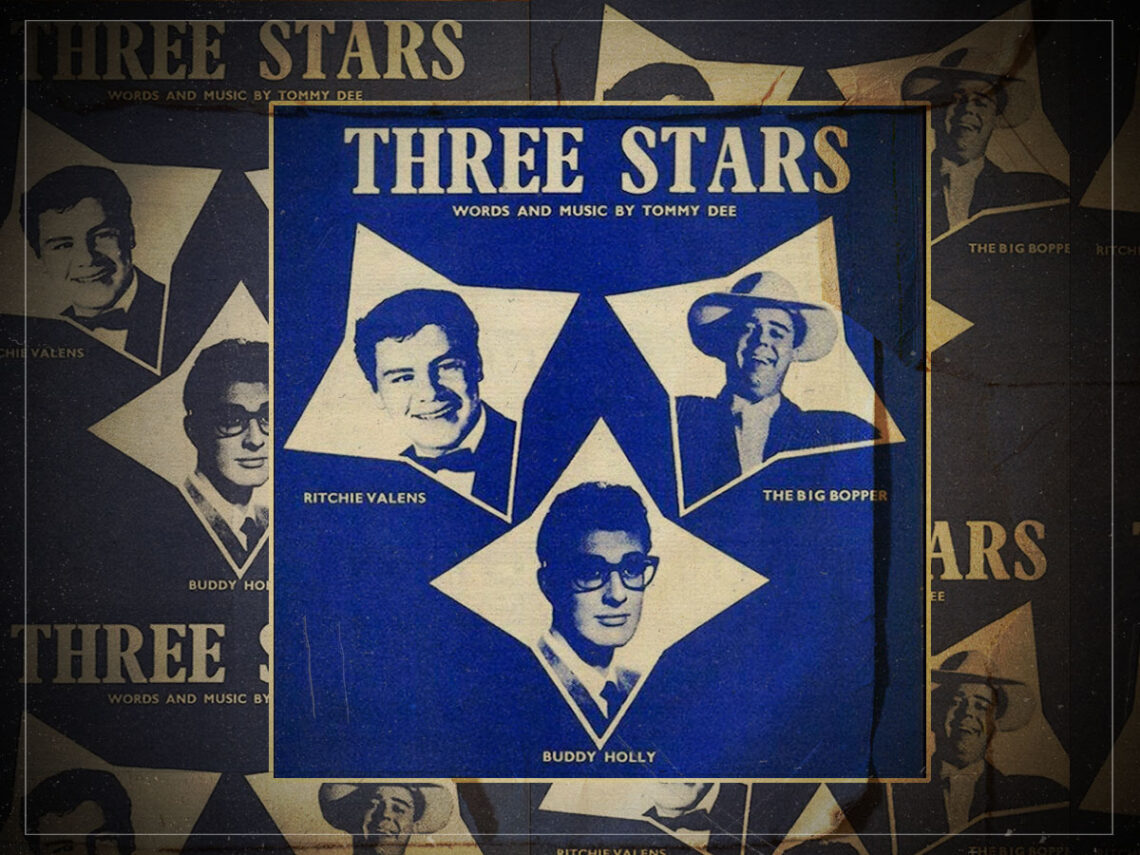
The Day the Music Died: Remembering three of music’s greatest artists

The Day the Music Died is one of the most significant cultural touchpoints in history – the day that the world lost the genius talents of three of its greatest minds – Buddy Holly, Ritchie Valens, and J P Richardson – in a devastating plane crash.
Details surrounding the event have become mythologised over the years, no doubt helped by Don McLean and his iconic commemoration of the event in 1971’s ‘American Pie’. But many of the circumstances surrounding the incident do, in fact, make it feel stranger than fiction when laid out as they are.
The flight itself was arranged with the purpose of haste in mind, with those boarding randomly selected based on who, at the time, needed the biggest break from the harsh conditions of their tour buses between states. People suffered from flu and frostbite on those journeys, so it’s no wonder that some wanted a mode of transport that didn’t actually threaten their lives, not realising that tragedy was swiftly approaching their doorstep.
Funnily enough, the story starts somewhere completely different, with a group of the world’s brightest musical minds pooling together to deliver their greatness across the country. Holly, in particular, was excited to be anticipating a brand new chapter, with Valens and Richardson also on the bill, each ready to change the world with their collective efforts.
However, given the fact that the tour was in winter, the logistical challenges were high. Richardson, who was ill at the time, boarded the fateful flight alongside Holly, with Valens gaining his seat through a coin toss – a victory that turned out to be not so lucky. Since, there have been extensive theories, conspiracies, and romanticisations of that one prophetic day in history, many of which remove from the collective excellence of those sent to their fates that day. Hence, it’s important to venture back and remember who, exactly, our lost heroes were.
Remembering the greats lost on The Day the Music Died:
J P Richardson
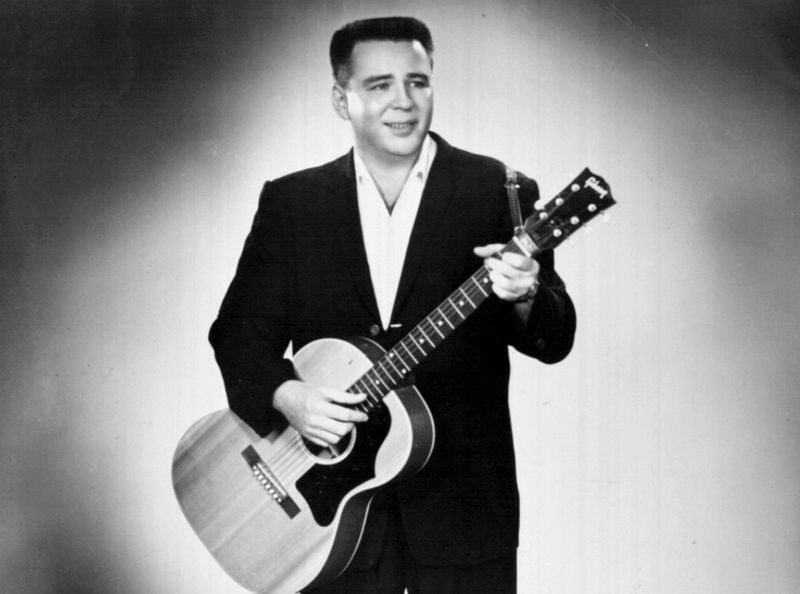
The Big Bopper was a prime example of how impactful excellence can be, no matter how brief. A video creator and performer known for hits like ‘Chantilly Lace’ and ‘Running Bear’, Richardson changed the game for visual artistic expression in ways that lingered long after he died in 1959.
As a musician, The Big Bopper exuded all the charm of the 1950s rock ‘n’ roll movement, a larger-than-life character who prioritised the visceral and emotional experience of music. His early promo videos are also often credited with being the first instance of the modern music video, sparking a convergence between sound and vision that would set a new standard in future music promotion.
Ritchie Valens
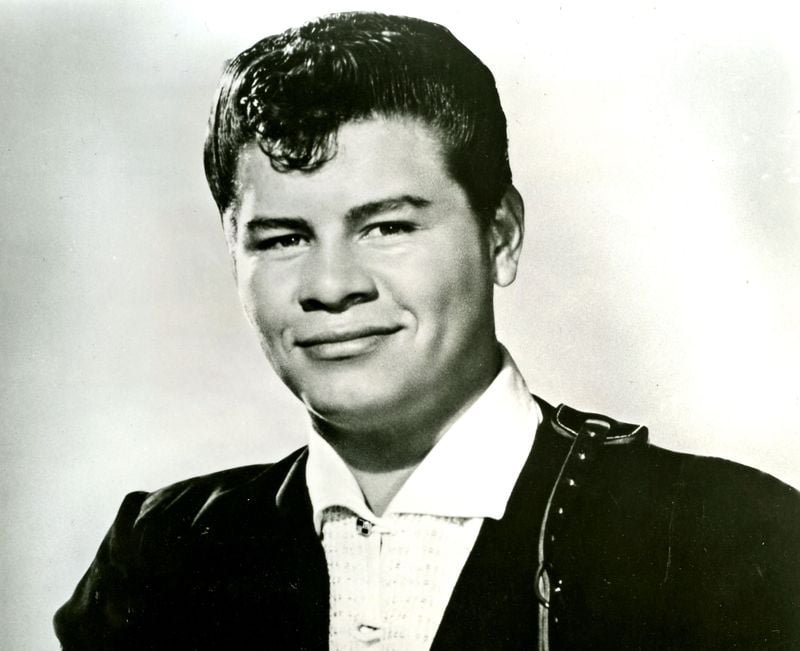
Ritchie Valens is exactly what the world needed in the 1950s. In a space rife with those gripping onto tradition like a second skin, Valens came and smashed boundaries, revolutionising Latin rock and inspiring countless musicians from different backgrounds to make their way onto their nearest stage.
There’s a reason why he’s broadly considered one of the first Latinos to innovate in the rock space, and it’s because he took his influences – Los Lobos, Los Lonely Boys, and more – and planted them into the mainstream, inspiring a surge of future artists in the process, including Jimi Hendrix, Led Zeppelin, The Beach Boys, and The Beatles.
His biggest hit, ‘La Bamba’, placed a Mexican folk song into a rock ‘n’ roll rhythm, bridging the gap between two worlds that had previously been treated as two separate entities. On top of that, all of his achievements become even more poignant when you remember that he was just 17 years old when he died on that plane.
Buddy Holly

For many reasons, Buddy Holly was the gift that kept on giving, even in the aftermath of the tragic events of February 3rd, 1959. When he died, Holly had left behind masses of unfinished material, meaning that his label was able to continue releasing music in his absence and keep his legacy alive.
Holly was, for all intents and purposes, a true innovator. Along with being one of the most prominent voices of his era, he also revolutionised sounds and styles by experimenting with double tracking and orchestras, along with creating a structural standard that people still use today. More than that, Holly was the blueprint for many acts we now consider legends.
For instance, all members of The Beatles were heavily influenced by Holly, particularly Paul McCartney and John Lennon, who studied his entire sound and image and built their own on his foundation. Bob Dylan, The Rolling Stones, Eric Clapton and countless others also used Holly as a springboard to explore their own artistic expression, many of whom felt successful even if they’d managed to replicate a fraction of the magic Holly had on stage.
As Clapton said of the first time he saw him perform, “I thought I’d died and gone to heaven.”
