


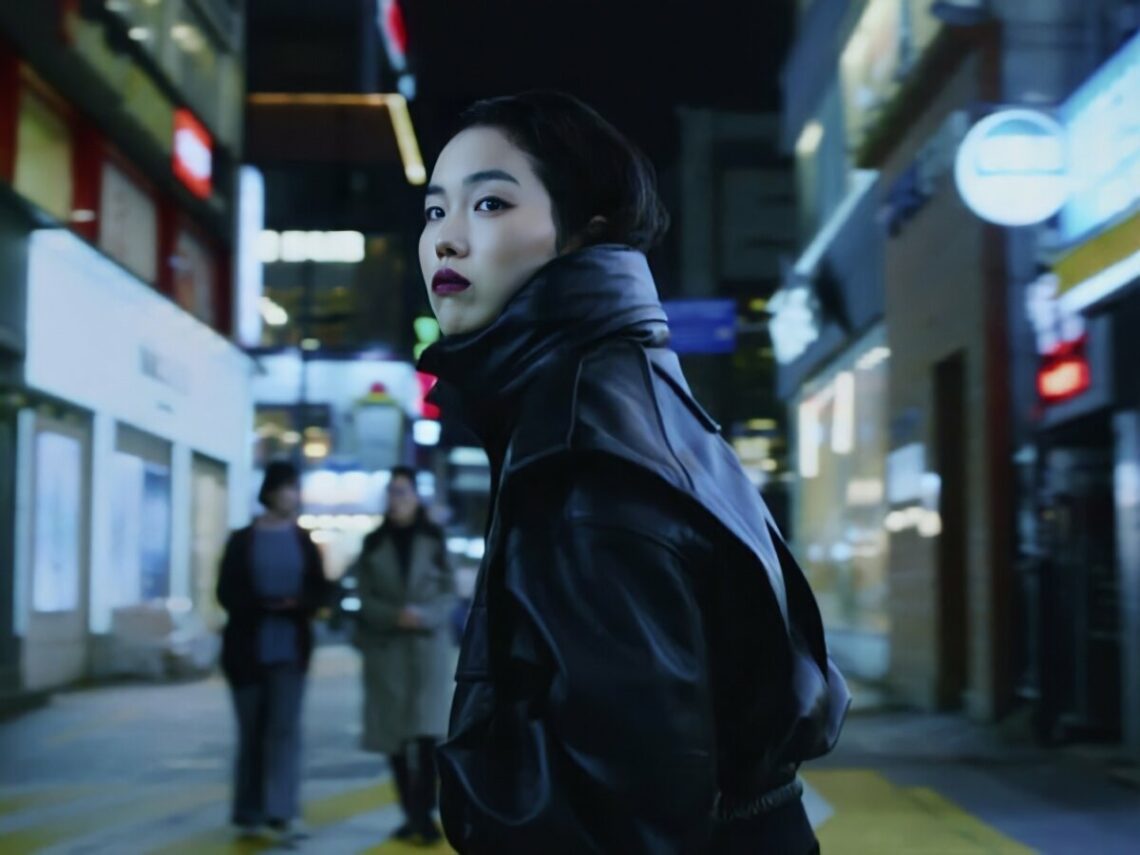
‘Return to Seoul’ movie review: a gripping drama about cultural identities

Every year, there are a few films in the international festival circuit that manage to stand out from the rest, either due to the brilliance of their technical elements or the power of their narratives. In the case of Return to Seoul, it’s a bit of both. The latest project from Cambodian-French director Davy Chou, this new Korean drama has already garnered a lot of attention from audiences and critics around the world, and there’s good reason for it.
Previously, Chou earned acclaim for his 2016 Cambodian feature Diamond Island, but Return to Seoul should definitely be recognised as his breakthrough. It’s an impressive directorial achievement but more than anything else, the film is a vehicle for the incredible Ji-Min Park, who steals the show in the best way possible. She is fantastic in the lead, playing the role of a South Korean adoptee called Freddie, who grew up in France.
Chou sets out to explore the complicated dynamics of cultural identities through Freddie’s story, following her moving journey as she suddenly decides to go to Seoul when her plans in Tokyo are cancelled. Although there is a hesitance to interact with things from the past she never knew, Freddie slowly uncovers more about her biological family and tries to process her feelings of abandonment and her painful sense of displacement.
In addition to the emotional narrative arc, Chou contextualises Freddie’s story within the historical events that took place following the Korean War. The South Korean government sanctioned the international adoption of the country’s orphaned children, allowing both foreign families and religious organisations to create a system of social integration on the basis of this policy. Freddie, of course, is a casualty of these sociopolitical conditions that permanently severed her from her culture.
Return to Seoul is divided into narrative fragments that are set during different periods in Freddie’s life, tracing her evolution from her tragic status as a foreigner in her country of origin to someone who knowingly rejects the part of herself that rejected her. Ji-Min Park gets everything right, perfectly capturing the initial confusion and sadness of a hurt child. Her anger and pain turn into eventual disillusionment, threatening to consume everything in sight.
The solid narrative foundation of the film is beautifully supported by Thomas Favel’s mesmerising cinematography, depicting Seoul as one of those mythical cities where you can find everything and lose all of it in the blink of an eye. For those who have lived Freddie’s experiences, Return to Seoul will be an especially tough cinematic experience, but the reason why it’s one of the standout films of the year is because of its ability to resonate with everyone.
There’s one particular scene in a bar when Freddie decides to let everything go and enters a trance, violently dancing while confronting the ghosts of her past that have haunted her all her life. In that moment, we know that we are witnessing the birth of a star.
